
Have you ever looked out of your window and seen nothing but concrete jungles stretching as far as the eye can see? The problem we face today is the increasing urbanization and loss of green spaces, leading to a myriad of environmental issues. As cities expand, they swallow up nature, leaving behind a landscape devoid of life and vitality. This lack of greenery not only impacts our mental health and well-being but also exacerbates the effects of climate change.
Imagine a city where every rooftop and wall is transformed into a lush oasis, teeming with plants and wildlife. The absence of green roofs and walls not only contributes to the urban heat island effect, where cities become significantly warmer than their rural surroundings, but also leads to increased energy consumption for cooling buildings. This vicious cycle of environmental degradation not only harms the planet but also takes a toll on our finances, as we shell out more money for energy bills and suffer from the detrimental effects of a polluted environment.
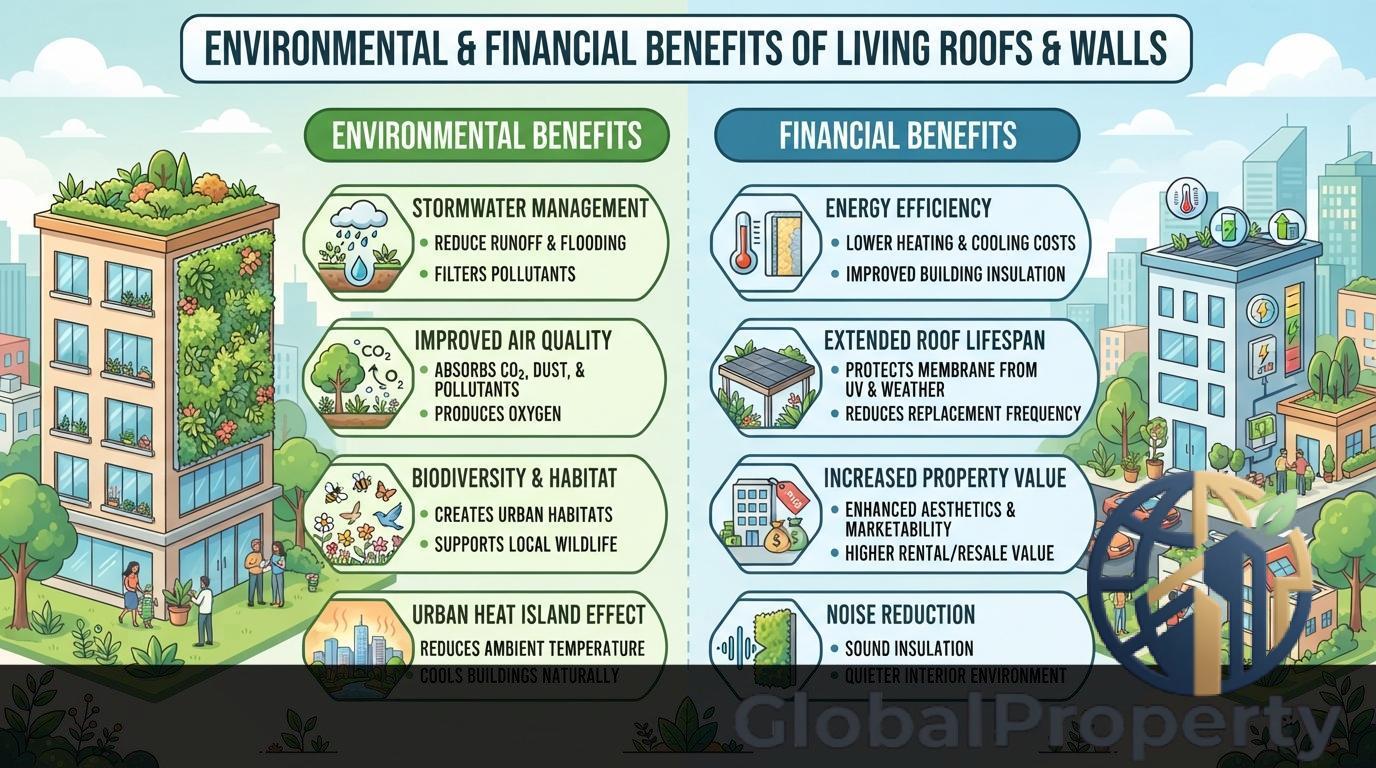
The solution lies in embracing living roofs and walls – a sustainable and innovative approach that brings nature back into our concrete jungles. By incorporating vegetation into our urban landscapes, we can mitigate the heat island effect, improve air quality, reduce energy consumption, and create habitats for biodiversity. The environmental and financial benefits of living roofs and walls are numerous, offering a win-win solution for both our planet and our pockets. Join us on a journey to explore the transformative power of green infrastructure and discover how we can create healthier, more sustainable cities for generations to come.
Benefits of Living Roofs
Enhance Urban Biodiversity: Living roofs provide a habitat for birds, insects, and plants, contributing to urban biodiversity and promoting a healthier ecosystem. By incorporating green spaces in urban environments, living roofs help mitigate the negative impacts of urbanization on wildlife.
Improves Air Quality and Reduces Urban Heat Island Effect: The vegetation on living roofs helps filter pollutants from the air and reduces the urban heat island effect by providing natural cooling through evapotranspiration. This can lead to improved air quality and a decrease in energy consumption for cooling buildings, resulting in a more sustainable urban environment.
Benefits of Living Walls
Enhanced Aesthetics and Biophilic Design: Living walls are not only visually appealing but also promote biophilic design by incorporating natural elements into urban spaces. They provide a calming and soothing environment, contributing to overall well-being and mental health.
Noise Reduction and Thermal Insulation: Living walls act as natural sound barriers, helping to reduce noise pollution in urban areas. Additionally, they offer thermal insulation, reducing energy costs for heating and cooling buildings. This dual benefit enhances the comfort of indoor spaces while also improving energy efficiency.
Benefits of Living Roofs
Living roofs, also known as green roofs, offer a multitude of benefits that go beyond their aesthetic appeal. They provide natural insulation, reducing energy consumption and lowering heating and cooling costs. Moreover, living roofs help mitigate the urban heat island effect by absorbing heat and reducing ambient temperatures. By capturing rainwater, they also alleviate stormwater runoff, thus reducing the strain on drainage systems. Additionally, these eco-friendly roofs contribute to biodiversity by providing habitats for birds, insects, and other wildlife in urban areas.
Benefits of Living Walls
Living walls, or vertical gardens, offer a unique set of advantages that make them a popular choice for both residential and commercial spaces. One of the primary benefits is their ability to improve air quality by absorbing pollutants and releasing oxygen. Living walls also help reduce noise pollution by acting as natural sound barriers. Furthermore, they contribute to the overall well-being of occupants by creating a more visually appealing and calming environment. From a design perspective, living walls can transform ordinary walls into vibrant, living works of art, adding a touch of nature to any space.
Benefits of Living Roofs
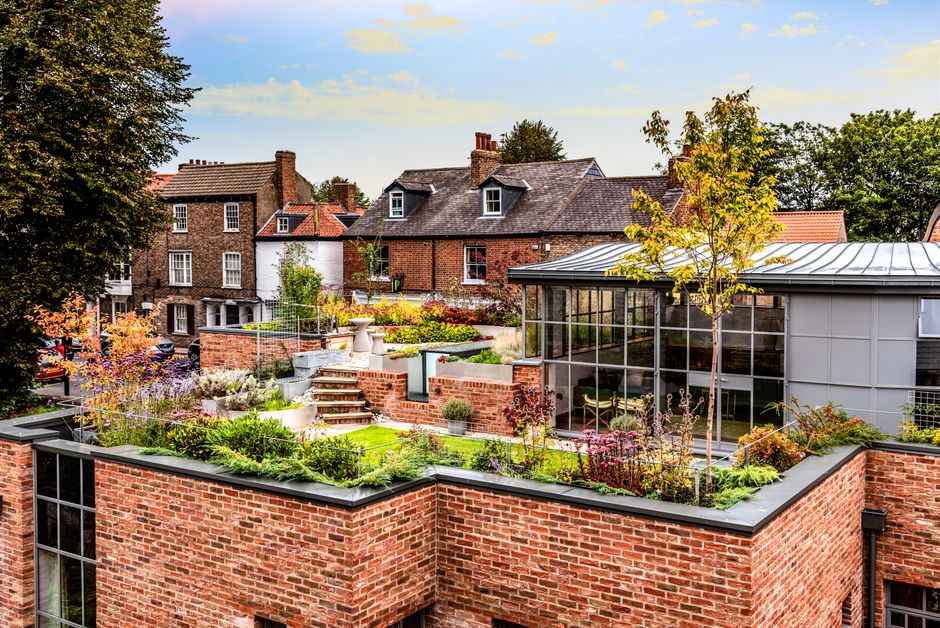
Living roofs offer a multitude of benefits that make them an attractive option for sustainable urban development. Not only do they provide natural insulation, reducing energy consumption and costs, but they also help mitigate the urban heat island effect by absorbing sunlight and releasing moisture through transpiration. Additionally, living roofs can improve air quality by capturing pollutants and carbon dioxide, thus contributing to a healthier environment. Furthermore, they create habitat for wildlife, promote biodiversity, and enhance the aesthetic appeal of buildings, adding value to properties.
Benefits of Living Walls
Living walls are another innovative green solution that brings numerous advantages to urban spaces. These vertical gardens not only beautify the surroundings but also improve air quality by filtering out pollutants and producing oxygen. They help regulate indoor temperatures by providing natural insulation, reducing the need for artificial heating and cooling. Moreover, living walls can act as sound barriers, absorbing noise pollution and creating a more peaceful environment for residents and workers. Their aesthetic appeal, combined with the ecological benefits, makes them a valuable addition to sustainable architecture and urban design.
Environmental Impact
The environmental impact of incorporating living roofs and walls into urban landscapes is significant in terms of reducing carbon emissions, mitigating climate change, and enhancing biodiversity. By increasing green spaces in cities, these green infrastructures help combat the heat island effect, improve air quality, and promote ecological balance. They also contribute to rainwater management, reducing runoff and the risk of flooding. Overall, the implementation of living roofs and walls plays a crucial role in creating more sustainable and resilient urban environments that benefit both people and the planet.
Financial Savings
Financial Savings: Implementing living roofs and walls can lead to significant cost savings in the long run. By reducing energy consumption for heating and cooling, these green installations can lower utility bills for both residential and commercial buildings. Additionally, living roofs can extend the lifespan of the roof membrane, reducing the need for frequent replacements and maintenance costs. Moreover, these eco-friendly features can increase property value, making them a wise investment for property owners.
6. Maintenance Considerations
Maintenance of living roofs and walls is essential to ensure their longevity and effectiveness. Regular inspections and upkeep are necessary to prevent issues such as clogged drainage systems, overgrown vegetation, or damaged components. For living roofs, tasks may include removing debris, trimming plants, inspecting waterproofing membranes, and checking irrigation systems. Similarly, living walls require periodic pruning, fertilization, and monitoring for pests or diseases. It is crucial to establish a maintenance schedule and budget to cover routine care and any unexpected repairs that may arise. By investing in proper maintenance, property owners can maximize the benefits of their green infrastructure and prolong its lifespan.
6. Maintenance Considerations
Proper maintenance is essential to ensure the longevity and functionality of living roofs and walls. Regular inspections are necessary to check for any damage, leaks, or plant overgrowth that may impact the structure. Cleaning gutters and drainage systems is crucial to prevent water buildup and potential water damage. Additionally, trimming and pruning plants is important to maintain the aesthetics and health of the greenery. It’s also important to monitor the irrigation system to ensure plants receive adequate water without overwatering, which can lead to root rot or other issues.
7. Conclusion
In conclusion, living roofs and walls offer a multitude of benefits ranging from environmental sustainability to financial savings and aesthetic appeal. By incorporating green infrastructure into urban environments, we can mitigate the effects of climate change, improve air quality, reduce energy consumption, and create healthier and more vibrant spaces for communities. While there are initial costs and maintenance considerations associated with these green solutions, the long-term advantages far outweigh the challenges. Embracing living roofs and walls is not just a trend but a necessary step towards a more sustainable and resilient future.