
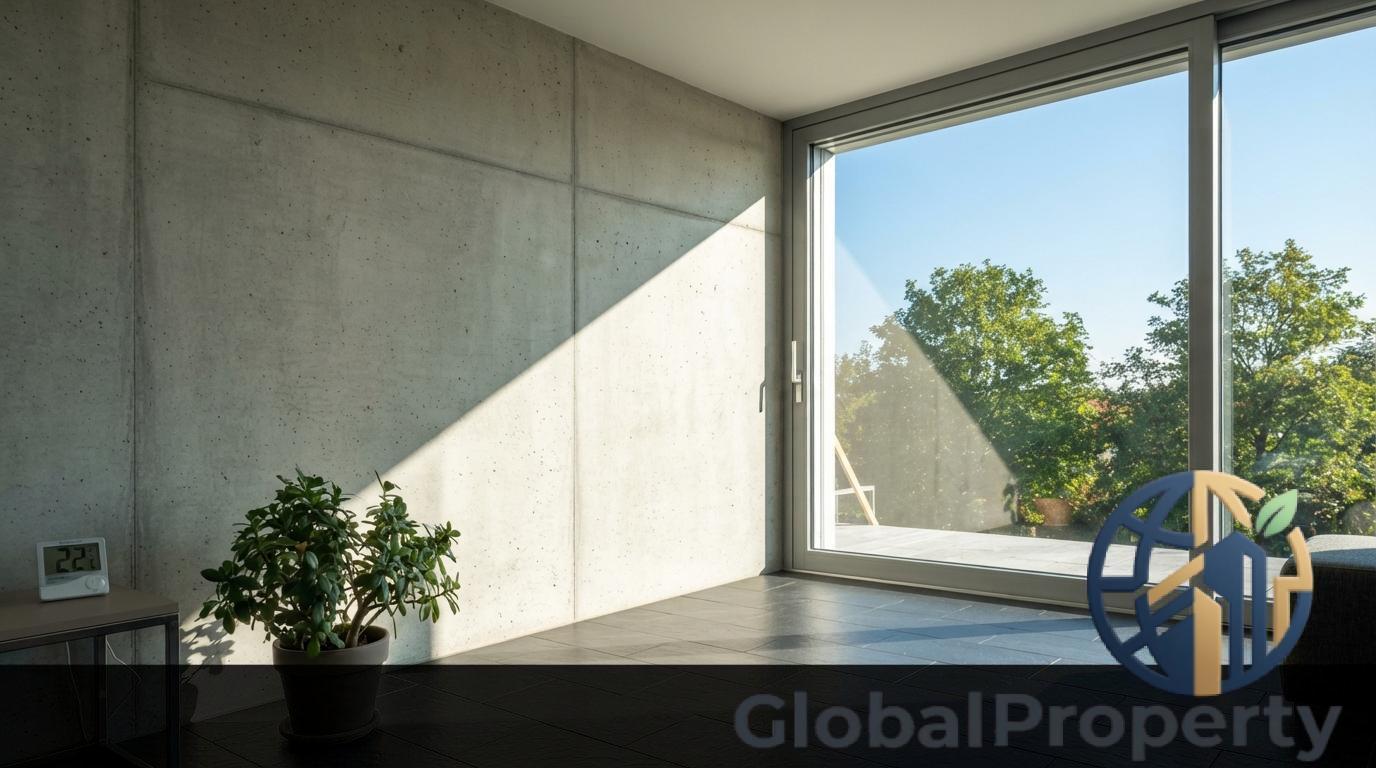
Are you tired of constantly adjusting your thermostat to maintain a comfortable indoor temperature? Have you ever wondered why some buildings stay cool in the summer heat and warm during chilly winters without relying heavily on heating or cooling systems? The answer lies in understanding the concept of thermal mass in building materials, a key factor in regulating indoor temperatures.
Picture this: sweltering summer days where your air conditioner works overtime, driving up your energy bills to keep your space cool. Conversely, in winter, you find yourself cranking up the heat, yet there are still cold spots lingering around the house. This frustrating cycle not only impacts your comfort but also takes a toll on your wallet with escalating energy costs.
Enter thermal mass, the unsung hero of building design. By strategically incorporating materials with high thermal mass into your construction or renovation projects, you can achieve a more stable and energy-efficient indoor environment. These materials have the remarkable ability to absorb, store, and release heat over time, helping to moderate temperature fluctuations and reduce the dependency on mechanical heating and cooling systems. Say goodbye to drastic temperature swings and hello to a more sustainable, comfortable living space. Dive into the fascinating world of thermal mass and revolutionize the way you think about regulating indoor temperatures.
Importance of Thermal Mass in Buildings
Thermal mass plays a crucial role in the energy efficiency and thermal comfort of buildings. It refers to the ability of a material to absorb, store, and release heat over a period of time. By incorporating materials with high thermal mass, such as concrete, bricks, or stone, buildings can better regulate indoor temperatures, reducing the need for mechanical heating and cooling systems. This not only leads to energy savings but also contributes to a more sustainable and environmentally friendly construction.
Benefits of Using Thermal Mass for Temperature Regulation
Thermal mass offers several benefits for temperature regulation in buildings. Firstly, it helps to stabilize indoor temperatures by absorbing excess heat during the day and releasing it gradually at night, creating a more comfortable living or working environment. Secondly, buildings with effective thermal mass require less energy for heating and cooling, resulting in lower utility bills and reduced carbon footprint. Lastly, thermal mass can also contribute to improved indoor air quality by minimizing temperature fluctuations and reducing the need for artificial ventilation systems, promoting a healthier indoor environment for occupants.
Types of Building Materials for Thermal Mass
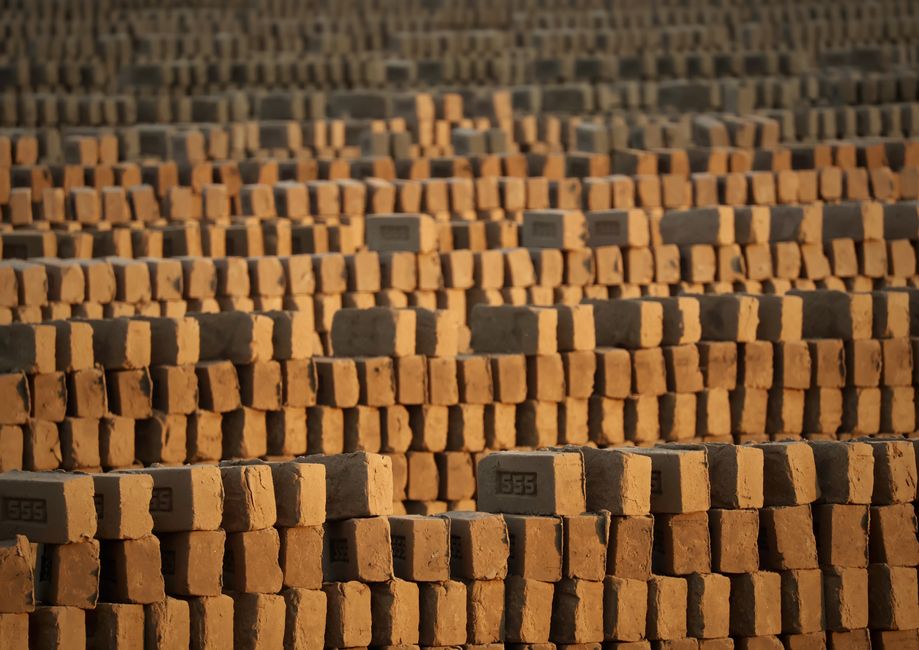
When it comes to selecting building materials for thermal mass, there are several options available that can effectively store and release heat to help regulate indoor temperatures. Common materials used for thermal mass include concrete, brick, stone, adobe, and water. These materials have the ability to absorb heat during the day and release it slowly at night, helping to stabilize the temperature inside a building.
Concrete is one of the most popular choices for thermal mass due to its high density and heat retention properties. It is often used in floors, walls, and ceilings to help regulate temperature fluctuations. Brick is another commonly used material known for its thermal mass properties, making it a sustainable choice for energy-efficient buildings. Stone is a natural material that can also be used to provide thermal mass in buildings, contributing to a more comfortable indoor environment. Adobe, a mixture of clay, sand, and straw, is a traditional material with excellent thermal mass characteristics, ideal for passive solar design. Lastly, water can be utilized as a thermal mass material in systems such as water walls or tanks to store and distribute heat effectively.
Importance of Thermal Mass in Buildings
Thermal mass plays a crucial role in the energy efficiency and comfort of buildings. It refers to the ability of a material to absorb, store, and release heat energy. In building design, incorporating thermal mass helps regulate indoor temperatures by stabilizing fluctuations caused by external conditions such as sunlight and temperature variations. This leads to reduced reliance on mechanical heating and cooling systems, resulting in energy savings and lower operational costs.
Types of Building Materials for Thermal Mass
Several building materials are commonly used for their thermal mass properties, including concrete, brick, stone, and rammed earth. These materials have high density and heat storage capacity, allowing them to effectively moderate temperature changes within a building. By strategically placing these materials in areas exposed to direct sunlight or internal heat sources, architects and designers can optimize thermal mass performance and enhance the overall energy efficiency of the structure.
Factors Affecting Thermal Mass Performance
The effectiveness of thermal mass in buildings is influenced by various factors, such as material selection, thickness, and location within the building. The position of thermal mass elements in relation to solar exposure, ventilation, and insulation also plays a critical role in maximizing their performance. Additionally, the design and layout of a building impact how effectively thermal mass can absorb and release heat, influencing the overall thermal comfort and energy efficiency of the space.
Benefits of Using Thermal Mass for Temperature Regulation
Thermal mass plays a crucial role in regulating indoor temperatures in buildings, offering both energy efficiency and comfort benefits. Thermal mass materials, such as concrete, brick, or stone, have the ability to absorb and store heat during the day and release it slowly at night. This process helps in stabilizing temperature fluctuations, reducing the need for heating or cooling systems, and ultimately lowering energy consumption.
By incorporating thermal mass into building design, occupants can enjoy more consistent temperatures throughout the day, improving comfort levels and reducing reliance on mechanical HVAC systems. Additionally, utilizing thermal mass effectively can lead to cost savings in the long run and contribute to sustainable building practices.
Case Studies of Buildings with Effective Thermal Mass
Several notable buildings around the world showcase the successful implementation of thermal mass for temperature regulation and energy efficiency. For example, the Capitol Visitor Center in Washington D.C. utilizes massive stone walls to help maintain stable interior temperatures despite external weather fluctuations. Similarly, the BedZED eco-village in the UK incorporates thermal mass materials in its construction, leading to reduced energy demand and lower environmental impact.
These case studies demonstrate the practical application of thermal mass in real-world building projects, highlighting the positive impact on energy consumption, occupant comfort, and overall sustainability. By studying these examples, architects and designers can gain valuable insights into how to leverage thermal mass effectively in their own projects.
Case Studies of Buildings with Effective Thermal Mass
Examining real-world examples of buildings that effectively utilize thermal mass can provide valuable insights for architects, engineers, and builders. One such case study is the BedZED eco-village in London, designed by renowned architect Bill Dunster. The buildings in BedZED incorporate high thermal mass materials such as rammed earth and concrete to store and release heat, reducing the need for mechanical heating and cooling systems. As a result, the eco-village achieves significant energy savings and maintains comfortable indoor temperatures year-round.
Another notable example is the National Museum of Natural History in Manila, Philippines, designed by the firm Dominic Galicia Architects. The museum’s innovative design includes massive concrete walls and floors that act as thermal mass, helping to regulate internal temperatures and reduce reliance on air conditioning. By leveraging the principles of thermal mass, these buildings demonstrate the potential for sustainable design practices that prioritize energy efficiency and occupant comfort.
Conclusion
The use of thermal mass in buildings plays a crucial role in maintaining consistent indoor temperatures, reducing energy consumption, and enhancing overall comfort. By strategically incorporating materials with high thermal mass properties, such as concrete, stone, or adobe, architects and designers can create more sustainable and energy-efficient structures.
It is evident that thermal mass is a valuable passive design strategy that offers long-term benefits for both the environment and building occupants. As we continue to prioritize sustainability and energy efficiency in construction practices, the utilization of thermal mass will remain a key consideration in creating healthier and more resilient built environments.