
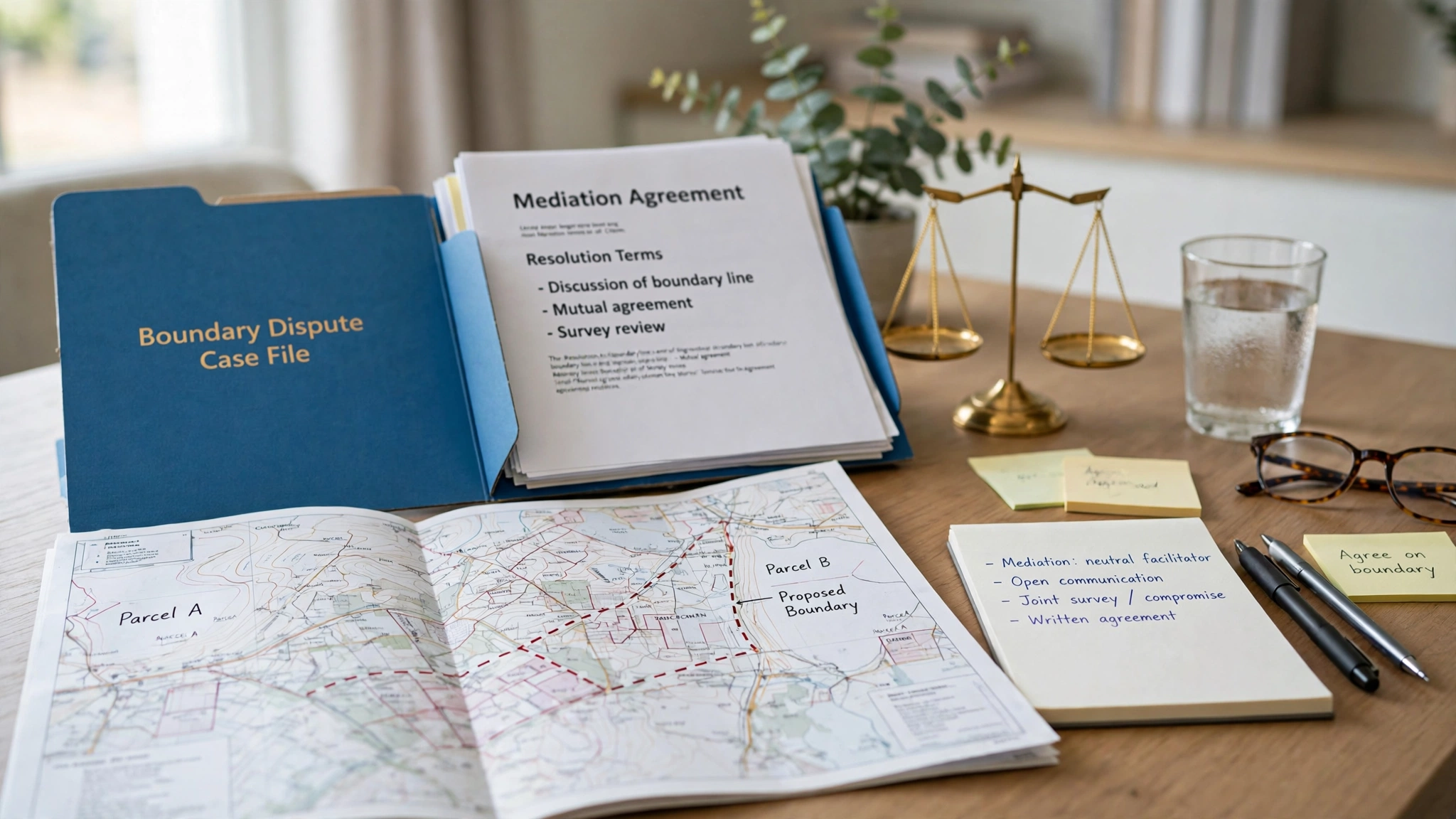
Have you ever found yourself entangled in a boundary dispute, where the lines separating your property from your neighbor’s seem blurred, leading to confusion, conflict, and stress? The intricacies of property boundaries can often give rise to heated disagreements, legal battles, and strained relationships. It’s a common issue that many homeowners face, yet the path to resolving these disputes can feel like navigating a complex maze without a clear guide. The uncertainty and emotional toll that come with boundary disputes can be overwhelming, leaving you seeking clarity and a way forward.
Imagine the frustration of not being able to enjoy your own property fully, constantly questioning where your land ends and your neighbor’s begins. The uncertainty can cast a shadow over your peaceful enjoyment of your home, affecting your sense of security and control. As the dispute lingers, tensions may rise, leading to arguments, resentment, and even costly legal actions. The longer the issue remains unresolved, the more it can escalate, causing further strain on your mental and emotional well-being.
But fear not, as there are legal mechanisms and mediation strategies available to help you navigate the complexities of boundary disputes with clarity, efficiency, and fairness. By understanding your rights, exploring negotiation tactics, and seeking professional mediation services, you can find a peaceful resolution that safeguards your interests and preserves neighborly relations. With the right tools and guidance, you can untangle the web of confusion, reclaim your peace of mind, and pave the way for harmonious coexistence with your neighbors. Let’s dive into the world of resolving boundary disputes, where clarity and resolution await you.
Understanding Boundary Disputes
Boundary disputes arise when there is uncertainty or disagreement between neighboring properties regarding the legal boundaries. These disputes can be complex and contentious, often involving issues such as encroachments, easements, or adverse possession. Understanding the nature of boundary disputes is crucial for property owners, as they can impact property rights, use, and even value.
Common causes of boundary disputes include unclear property descriptions, inaccurate surveys, or changes in land use over time. Resolving boundary disputes requires a clear understanding of property laws, surveying techniques, and legal processes. Property owners should seek professional guidance to navigate these disputes effectively and protect their interests.
Legal Mechanisms for Resolving Boundary Disputes
When it comes to resolving boundary disputes, there are several legal mechanisms available that property owners can utilize. These mechanisms include filing a lawsuit in court to establish property boundaries, seeking a quiet title action to clarify ownership rights, or invoking specific laws governing boundary disputes.
Legal mechanisms provide a structured framework for resolving disputes, often involving evidence presentation, expert testimonies, and judicial decisions. Property owners should carefully consider the legal options available to them based on the specifics of their dispute and seek legal counsel to navigate the complexities of boundary dispute resolution.
Legal Mechanisms for Resolving Boundary Disputes
In cases where boundary disputes cannot be resolved amicably between neighbors, legal mechanisms offer a structured process for reaching a resolution. Common legal avenues include litigation, where the dispute is brought to court for a judge to make a final decision based on evidence and legal arguments presented by both parties. Another option is arbitration, where a neutral third party acts as a decision-maker and helps the parties come to a binding agreement. Legal mechanisms provide a formal framework for addressing boundary disputes, ensuring that rights and responsibilities are upheld according to the law.
Mediation Strategies for Boundary Disputes
Mediation is a popular alternative to litigation or arbitration for resolving boundary disputes, as it offers a more collaborative and less adversarial approach. In mediation, a trained mediator facilitates communication between the parties and helps them work towards a mutually acceptable solution. The mediator does not make a decision but assists the parties in finding common ground and reaching a settlement that addresses their concerns. Mediation strategies focus on open communication, active listening, and exploring creative solutions to resolve the dispute without escalating tensions. This method can be cost-effective, time-efficient, and promote a more harmonious relationship between neighbors in the long run.

Mediation Strategies for Boundary Disputes
Mediation is a highly effective strategy for resolving boundary disputes, offering a less adversarial and more collaborative approach compared to litigation. In mediation, a neutral third party facilitates communication between the parties involved, helping them reach a mutually agreeable solution. This process can be particularly beneficial in cases where emotions are running high, as it allows for a more constructive and amicable discussion.
One key advantage of mediation is its flexibility, as it gives the parties greater control over the outcome and encourages creative problem-solving. By exploring underlying interests and needs, rather than focusing solely on legal rights, mediation can often lead to more sustainable and satisfactory resolutions. Additionally, the confidential nature of mediation can help preserve relationships and prevent further escalation of conflicts. Overall, mediation offers a cost-effective and efficient alternative to traditional legal proceedings in boundary dispute resolution.
Case Studies of Successful Resolutions
Examining case studies of successful resolutions in boundary disputes can provide valuable insights into effective strategies and outcomes. By analyzing real-life examples of disputes that were successfully resolved through various means, such as mediation, negotiation, or arbitration, stakeholders can learn from best practices and apply them to their own situations.
Case studies can also highlight the importance of clear communication, thorough documentation, and strategic decision-making in the resolution process. Understanding how previous disputes were navigated and ultimately settled can help parties involved in current disputes approach their own challenges with a more informed and proactive mindset. By drawing lessons from successful case studies, stakeholders can increase their chances of achieving a positive outcome in their boundary dispute resolution efforts.
Case Studies of Successful Resolutions
Case Study 1: In a recent boundary dispute between neighboring properties, both parties were at a standstill over a fence line. Through mediation, a compromise was reached where a new boundary line was agreed upon, and both parties contributed to the cost of installing a new fence. This resolution not only resolved the immediate dispute but also improved the relationship between the neighbors.
Case Study 2: Another successful resolution involved a commercial property boundary dispute that was hindering a construction project. By utilizing legal mechanisms such as boundary line agreements and boundary line adjustments, the parties were able to clarify the property lines and proceed with the project without further delays. This case highlighted the importance of clear documentation and legal support in resolving complex boundary disputes.
Challenges and Limitations in Boundary Dispute Resolution
Boundary dispute resolution can be a complex and challenging process, often involving multiple parties with differing interests and perspectives. One of the primary challenges is the lack of clear boundary definitions, which can lead to misunderstandings and conflicts between neighbors or property owners. Additionally, issues such as historical disputes, unclear property deeds, or conflicting survey results can further complicate the resolution process.
Another major limitation in boundary dispute resolution is the high emotional involvement of the parties involved. Emotions can run high in these situations, making it difficult for individuals to reach a mutually agreeable solution. This emotional aspect can hinder effective communication and negotiation, prolonging the resolution process and potentially leading to costly legal battles. Moreover, the lack of awareness about alternative dispute resolution methods and the reluctance to engage in mediation or arbitration can also pose significant challenges in resolving boundary disputes efficiently.
Conclusion and Recommendations
Conclusion: Resolving boundary disputes is a complex process that requires a solid understanding of legal mechanisms and effective mediation strategies. Through the examination of case studies of successful resolutions, it is evident that a combination of legal expertise, communication skills, and a willingness to compromise are essential for reaching a satisfactory outcome.
Recommendations: To improve the resolution of boundary disputes, it is recommended to invest in training programs for mediators and legal professionals specializing in this area. Additionally, promoting early intervention and encouraging parties to consider mediation as a first step can help prevent escalation and costly litigation. Implementing clear guidelines and standardized procedures for boundary dispute resolution can also streamline the process and ensure fairness for all parties involved.