
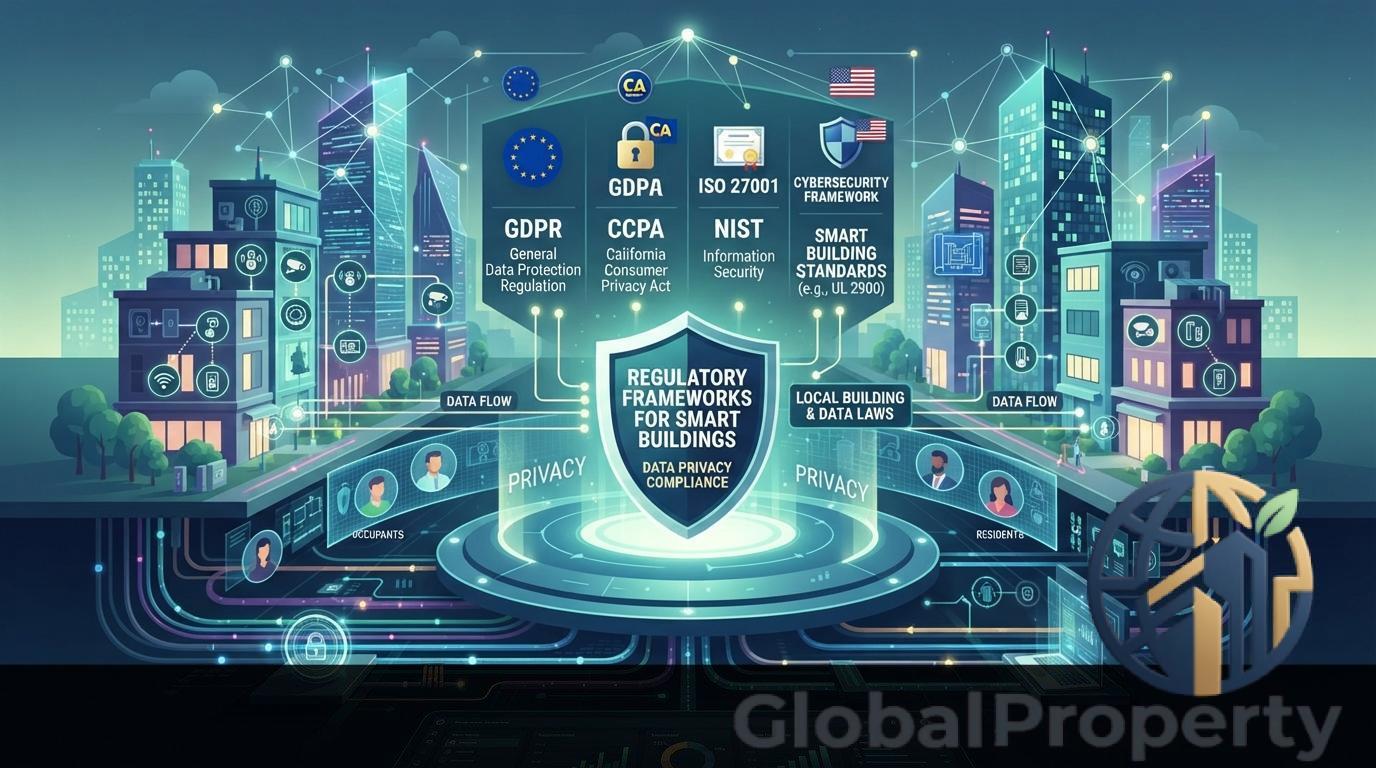
Are you concerned about the intersection of smart buildings and data privacy? The rapid advancements in technology have led to the rise of smart buildings, which are equipped with various sensors and devices to optimize energy efficiency, security, and overall comfort. However, this innovation comes with a critical challenge – ensuring compliance with regulatory frameworks for data privacy. As a building owner, manager, or occupant, navigating this complex landscape can be overwhelming and daunting.
Imagine the repercussions of failing to address data privacy compliance within smart buildings. Your sensitive information could be at risk of unauthorized access, leading to privacy breaches and potential legal consequences. Moreover, non-compliance with regulations such as GDPR or CCPA could tarnish your reputation and erode trust with stakeholders. The stakes are high, and the need for a robust regulatory framework for smart buildings is more pressing than ever.
But fear not, there is a solution to this intricate dilemma. By understanding the regulatory frameworks governing smart buildings and implementing best practices for data privacy compliance, you can safeguard your data and mitigate risks effectively. In our upcoming blog post, we will delve deep into the world of smart buildings, explore the nuances of data privacy regulations, and provide actionable insights to help you navigate this evolving landscape with confidence. Stay tuned for expert guidance and practical tips to ensure regulatory compliance while harnessing the benefits of smart technology. Let’s embark on this journey together towards a secure and compliant future for smart buildings!
Importance of Data Privacy Compliance
Data privacy compliance is a critical aspect of smart buildings, where vast amounts of sensitive information are collected, stored, and processed. Ensuring data privacy compliance is essential to protect individuals’ personal information and maintain trust in smart building technologies.
By adhering to data privacy regulations and best practices, smart building operators can mitigate the risk of data breaches, unauthorized access, and misuse of data. Compliance with data privacy laws not only safeguards individuals’ privacy rights but also helps organizations avoid hefty fines and reputational damage.
Impact of Smart Buildings on Data Privacy
The adoption of smart building technologies has revolutionized the way data is collected and utilized within building environments. IoT sensors, connected devices, and data analytics tools generate a wealth of information that can enhance building efficiency and occupant comfort, but also pose significant challenges to data privacy.
Smart buildings raise concerns about data security, access control, and transparency in data processing. As more devices become interconnected, the risk of data breaches and privacy violations increases. Balancing the benefits of smart buildings with the protection of personal data requires a proactive approach to data privacy compliance and robust security measures.
Overview of Regulatory Frameworks
Regulatory frameworks play a crucial role in governing the implementation and operation of smart buildings. Various entities, such as governments and industry organizations, have established guidelines and standards to ensure the security and privacy of data collected by smart buildings. These frameworks outline the requirements for data protection, access control, and transparency in data processing. Compliance with these regulations is essential to mitigate risks and build trust among stakeholders.
Impact of Smart Buildings on Data Privacy
Smart buildings utilize sensors, cameras, and connected devices to collect vast amounts of data for optimization and automation. While these technologies offer numerous benefits in terms of efficiency and sustainability, they also raise concerns about data privacy. The extensive collection of personal and sensitive information within smart buildings can lead to privacy breaches if not properly managed. Understanding the impact of smart buildings on data privacy is crucial for addressing potential vulnerabilities and safeguarding individuals’ information.
Compliance Challenges in Smart Buildings
Compliance challenges in smart buildings arise due to the complex nature of data collection and processing within these environments. Ensuring data privacy compliance involves navigating a landscape of evolving regulations, technical limitations, and ethical considerations. Organizations must address issues such as data ownership, consent management, and cross-border data transfers to meet regulatory requirements effectively. Overcoming these challenges requires a multi-faceted approach that integrates legal expertise, technological solutions, and organizational policies to uphold data privacy standards in smart buildings.

Impact of Smart Buildings on Data Privacy
Smart buildings are revolutionizing the way we interact with our physical environment, offering unparalleled convenience and efficiency. However, this technological advancement also raises significant concerns regarding data privacy. With sensors, cameras, and other IoT devices collecting vast amounts of data, there is a growing risk of unauthorized access, data breaches, and privacy violations.
Organizations must navigate the delicate balance between harnessing the power of smart buildings and safeguarding sensitive information. Understanding the impact of smart buildings on data privacy is crucial for developing robust security measures and ensuring compliance with regulations to protect individuals’ privacy rights.
Compliance Challenges in Smart Buildings
As smart buildings become more prevalent, organizations face a myriad of compliance challenges related to data privacy regulations. Ensuring that data collected from various devices is securely stored, processed, and shared in accordance with applicable laws is a complex task.
From addressing consent requirements to implementing data encryption protocols, organizations must proactively tackle compliance challenges in smart buildings to mitigate risks and build trust with occupants. Failure to meet regulatory standards can result in severe penalties and reputational damage, underscoring the importance of prioritizing data privacy in smart building initiatives.
Compliance Challenges in Smart Buildings
Smart buildings present unique challenges when it comes to data privacy compliance. The integration of various IoT devices, sensors, and systems in smart buildings generates vast amounts of data that need to be collected, stored, and processed securely. Ensuring compliance with data protection regulations such as GDPR and CCPA becomes more complex in this interconnected environment.
One of the main compliance challenges is the potential vulnerability of data due to the interconnected nature of smart building systems. Unauthorized access to sensitive information can lead to privacy breaches and legal consequences. Additionally, the diverse sources of data in smart buildings require organizations to carefully manage data flows and implement robust security measures to protect privacy rights.
Best Practices for Data Privacy in Smart Buildings
Implementing best practices for data privacy is crucial for organizations operating in smart buildings to mitigate compliance risks and protect sensitive information. Encrypting data at rest and in transit, regularly updating security protocols, and conducting thorough privacy impact assessments are essential steps to enhance data protection measures.
Organizations should also prioritize transparency by clearly communicating data collection practices to occupants and obtaining explicit consent for data processing activities. Regular employee training on data privacy policies and procedures, along with appointing a dedicated data protection officer, can further strengthen compliance efforts and foster a culture of privacy awareness within the organization.
Best Practices for Data Privacy in Smart Buildings
Implement Secure Data Encryption: One of the key best practices for maintaining data privacy in smart buildings is to ensure that all sensitive data is encrypted both at rest and in transit. By implementing strong encryption protocols, organizations can protect data from unauthorized access or breaches.
Regular Security Audits: Conducting regular security audits and assessments is essential to identify and address any vulnerabilities in the smart building systems. By proactively monitoring and evaluating security measures, organizations can strengthen their defenses against potential cyber threats.
Conclusion and Future Trends
Conclusion: In conclusion, data privacy compliance is crucial in the context of smart buildings to protect sensitive information and ensure the security of occupants. By following best practices and staying abreast of regulatory frameworks, organizations can mitigate risks and build trust with stakeholders.
Future Trends: Looking ahead, the future of data privacy in smart buildings will likely involve advancements in technologies such as blockchain and artificial intelligence to enhance security measures. Additionally, there may be an increased focus on international collaboration and standardization to address global data privacy challenges.
Conclusion and Future Trends
Smart buildings are revolutionizing the way we interact with our built environment, providing efficiencies and conveniences that were once only imagined in science fiction. As the adoption of smart technologies continues to grow, it is crucial to prioritize data privacy compliance to protect the sensitive information collected and processed within these intelligent infrastructures. Moving forward, the future of smart buildings lies in the seamless integration of advanced data privacy measures to ensure the trust and security of occupants and stakeholders.