
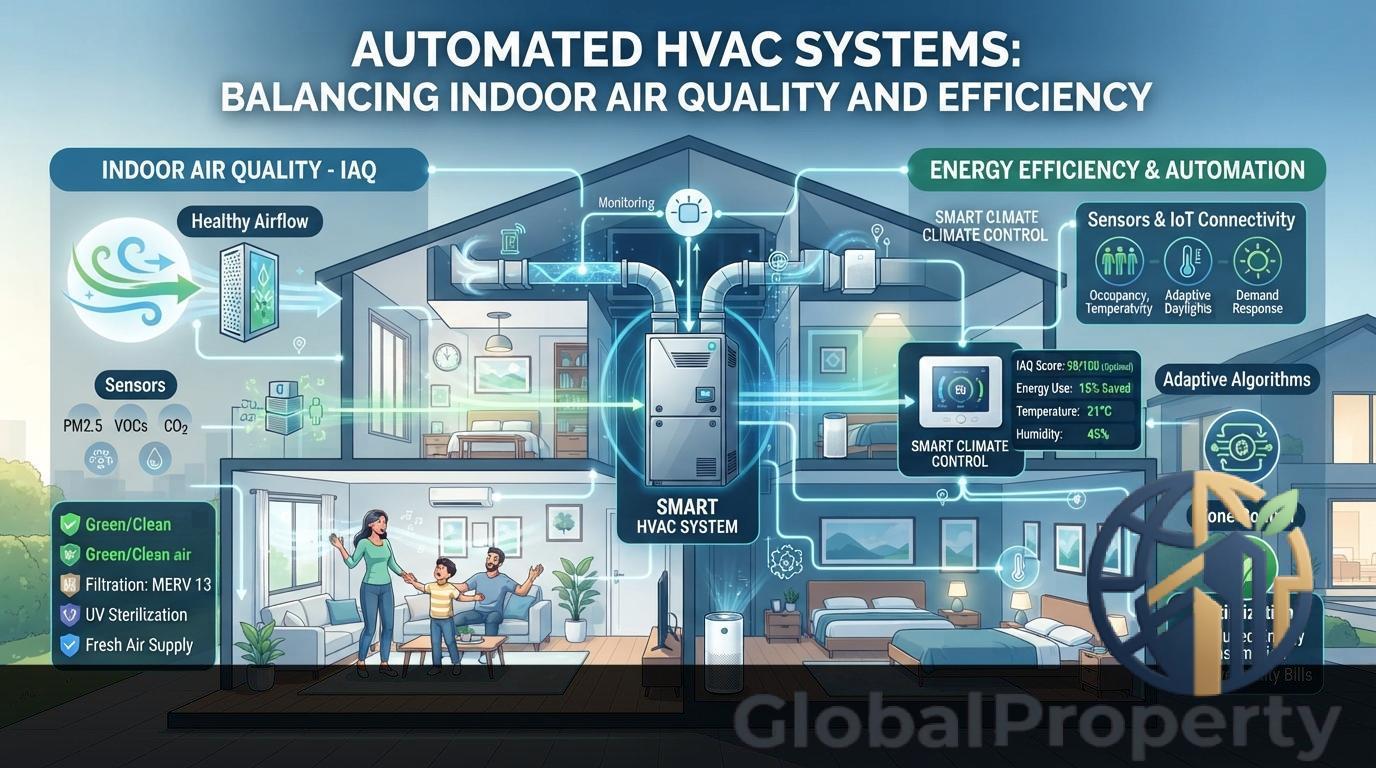
Are you tired of constantly battling between maintaining optimal indoor air quality and keeping your HVAC system running efficiently? The struggle to strike the perfect balance between these two crucial aspects of indoor comfort can be a real headache for many homeowners and building managers. Picture this: your HVAC system is either working overtime, leading to high energy bills, or it’s not effectively filtering and circulating air, resulting in poor indoor air quality. It’s a common dilemma that often leaves people feeling frustrated and overwhelmed.
Imagine the discomfort of breathing in stale, contaminated air filled with allergens and pollutants because your HVAC system isn’t equipped to effectively purify and ventilate your indoor environment. Poor air quality can lead to a range of health issues, from allergies and respiratory problems to decreased focus and productivity. On the other hand, an inefficient HVAC system not only drives up your energy costs but also puts unnecessary strain on the equipment, leading to more frequent breakdowns and costly repairs. It’s a lose-lose situation that nobody wants to deal with.
But fear not, there is a solution to this ongoing battle between indoor air quality and energy efficiency. Automated HVAC systems offer a smart and effective way to achieve the perfect balance you’ve been searching for. By harnessing the power of advanced technology, these systems can intelligently monitor, adjust, and optimize your indoor environment in real-time. Say goodbye to the constant back-and-forth struggle and hello to a seamlessly controlled HVAC system that ensures both superior air quality and energy efficiency. Get ready to transform your indoor space into a haven of comfort and well-being with automated HVAC systems – the game-changer you’ve been waiting for!
Importance of Indoor Air Quality
Indoor air quality is a critical factor that directly impacts the health and well-being of individuals in residential and commercial spaces. Poor indoor air quality can lead to various health issues, including respiratory problems, allergies, and fatigue. It is essential to maintain high indoor air quality to create a comfortable and healthy environment for occupants. Factors such as pollutants, humidity levels, and ventilation play a significant role in determining indoor air quality. Implementing effective strategies and technologies to monitor and improve indoor air quality is essential for ensuring a safe and healthy indoor environment.
Advantages of Automated HVAC Systems
Automated HVAC systems offer numerous benefits in terms of convenience, energy efficiency, and comfort. By automating HVAC systems, users can control temperature, humidity levels, and ventilation with precision and ease. This automation leads to improved energy efficiency, reduced operational costs, and enhanced comfort for occupants. Automated HVAC systems can also provide real-time data and insights to optimize performance and identify potential issues proactively. Overall, the advantages of automated HVAC systems make them a valuable investment for residential and commercial buildings seeking to enhance indoor air quality and energy efficiency.
Importance of Indoor Air Quality
Indoor air quality (IAQ) is a critical factor that directly impacts the health and well-being of building occupants. Poor IAQ can lead to various health problems such as allergies, respiratory issues, and even more severe conditions. Factors such as inadequate ventilation, high humidity levels, and indoor pollutants can contribute to poor IAQ. It is essential for both residential and commercial buildings to prioritize maintaining good indoor air quality to create a healthy and comfortable environment for occupants.
HVAC System Automation
Automating HVAC systems can significantly improve indoor air quality by ensuring proper ventilation, filtration, and temperature control. With automation, HVAC systems can be programmed to adjust settings based on occupancy, outdoor conditions, and air quality parameters. This not only enhances comfort but also increases energy efficiency and reduces operating costs. Additionally, automated HVAC systems can provide real-time data and alerts for proactive maintenance, ensuring optimal performance and prolonging the lifespan of the equipment.

Importance of Indoor Air Quality
Indoor air quality plays a crucial role in maintaining a healthy and comfortable environment within homes and buildings. Poor indoor air quality can lead to various health issues such as respiratory problems, allergies, and even more serious conditions. It is essential to ensure proper ventilation, filtration, and control of pollutants to improve indoor air quality.
HVAC System Automation
Automating HVAC systems can greatly enhance efficiency and convenience. By utilizing smart thermostats, sensors, and scheduling features, homeowners and businesses can optimize their heating and cooling systems to operate only when needed. This not only improves comfort but also helps reduce energy consumption and costs in the long run.
Energy Efficiency Considerations
Energy efficiency is a key factor to consider when evaluating HVAC systems. High-efficiency equipment can significantly lower energy bills and reduce carbon footprint. By choosing energy-efficient options and implementing proper maintenance practices, individuals can make a positive impact on both their finances and the environment.
Advantages of Automated HVAC Systems
Automated HVAC systems offer numerous advantages, including precise temperature control, remote access, and energy savings. By adjusting settings based on occupancy and outdoor conditions, automated systems can provide optimal comfort while minimizing energy waste. Additionally, the ability to monitor and manage HVAC systems remotely adds convenience and flexibility to users.
Advantages of Automated HVAC Systems
Automated HVAC systems offer numerous advantages for both residential and commercial buildings. One of the key benefits is improved energy efficiency, as these systems can adjust temperature settings based on occupancy patterns and external conditions. This leads to cost savings on energy bills and reduces the overall environmental impact of the building. Additionally, automated HVAC systems provide better control and monitoring capabilities, allowing users to easily regulate indoor air quality and comfort levels.
Another advantage is enhanced comfort and convenience. With automated systems, occupants can enjoy consistent temperatures throughout the day without manual adjustments. This leads to improved productivity in commercial settings and enhanced well-being in residential spaces. Overall, automated HVAC systems offer a modern and efficient solution for maintaining optimal indoor environments.
Challenges and Solutions
Challenges: Implementing automated HVAC systems can present various challenges for building owners and facility managers. One common issue is the initial cost of installing automation technology, which can be a significant investment upfront. Additionally, integrating new systems with existing infrastructure may require additional resources and expertise. Another challenge is ensuring that automation processes are properly optimized to achieve desired energy efficiency and indoor air quality goals.
Solutions: To overcome these challenges, it is essential to conduct a thorough cost-benefit analysis to justify the investment in automated HVAC systems. Working closely with experienced HVAC professionals can help streamline the installation process and ensure seamless integration with existing systems. Regular monitoring and maintenance of automated systems are crucial to maximizing their efficiency and performance. Training staff on how to use and troubleshoot automated systems can also help mitigate potential issues and ensure smooth operations.
Conclusion
Indoor air quality is a critical aspect of any living or working environment. Ensuring that the air we breathe is clean and free of pollutants is essential for our health and well-being. By implementing HVAC system automation and considering energy efficiency measures, we can improve indoor air quality while also reducing energy consumption.
Automated HVAC systems offer numerous advantages, such as better control over temperature and air quality, increased comfort, and potential cost savings in the long run. However, it’s important to be aware of the challenges that come with automation and to implement appropriate solutions to address them. By staying informed and proactive, we can create healthier indoor environments for all.