
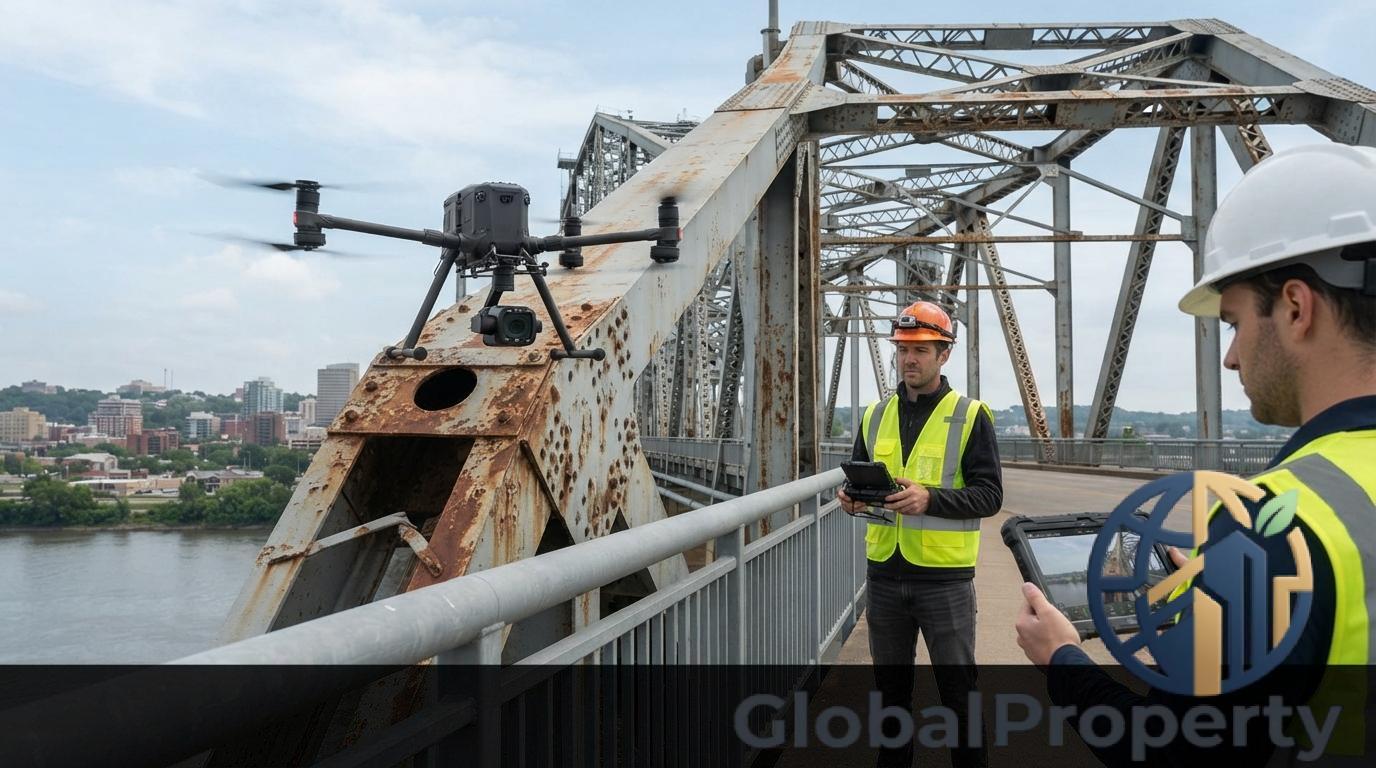
Are you tired of the traditional, time-consuming, and often risky methods used in structural inspections? Picture this: a team of inspectors scaling tall buildings or bridges, putting themselves in harm’s way to assess every nook and cranny for potential issues. The inherent dangers, high costs, and inefficiencies associated with these methods have long been a significant challenge in the field of structural engineering.
Now, imagine the frustration and anxiety that come with knowing that crucial infrastructure inspections are not being conducted as frequently or thoroughly as needed due to these limitations. The consequences of overlooking a minor structural flaw can be catastrophic, leading to costly repairs, service disruptions, or, worst-case scenario, endangering lives. The stakes are high, and the current approach to structural inspections is simply not cutting it.
Enter drone technology – the game-changer that is revolutionizing structural inspections as we know them. Drones offer a safer, faster, and more cost-effective solution to conduct detailed and comprehensive inspections of bridges, buildings, and other structures. With their ability to access hard-to-reach areas and capture high-resolution images and data, drones are transforming the way structural integrity assessments are carried out. Get ready to explore how this groundbreaking technology is reshaping the future of structural inspections and paving the way for safer and more efficient maintenance practices.
Benefits of Using Drones for Structural Inspections
Drones have revolutionized the field of structural inspections by providing numerous benefits to professionals in the industry. One of the key advantages is the ability of drones to access hard-to-reach or dangerous areas without putting human inspectors at risk. This not only enhances safety protocols but also allows for more thorough and efficient inspections. Drones equipped with high-resolution cameras and sensors can capture detailed images and data, providing a comprehensive view of the structural integrity of buildings, bridges, and other infrastructure.
Furthermore, using drones for inspections can significantly reduce costs and time compared to traditional methods. Drones are capable of covering large areas quickly, identifying potential issues early on, and facilitating timely maintenance or repairs. The data collected by drones can be analyzed in real-time, enabling decision-makers to make informed choices promptly. Overall, the benefits of using drones for structural inspections are clear: improved safety, increased efficiency, cost-effectiveness, and enhanced data accuracy.
Benefits of Using Drones for Structural Inspections
Drones have revolutionized the field of structural inspections by offering numerous benefits. One of the key advantages is their ability to access hard-to-reach areas, such as rooftops, bridges, and tall buildings, without the need for scaffolding or putting workers at risk. This not only saves time but also enhances safety on site. Drones equipped with high-resolution cameras and sensors can capture detailed images and data, providing inspectors with a comprehensive view of the structure’s condition. This data can be analyzed to identify potential issues early on, leading to more efficient maintenance and repair processes.
Types of Drones Used in Structural Inspections
Fixed-Wing Drones
Fixed-wing drones are popular for large-scale structural inspections due to their ability to cover extensive areas in a single flight. They are efficient for mapping and surveying purposes, providing high-quality aerial imagery and data. These drones are typically used for infrastructure projects, such as pipeline inspections and land surveying.
Quadcopters
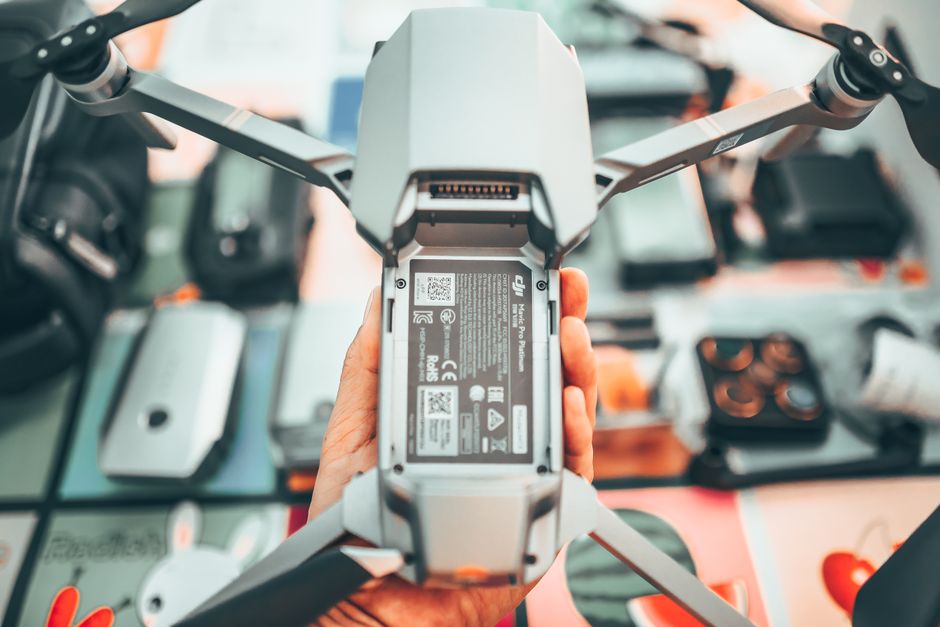
Quadcopters are versatile drones that are commonly used for close-range inspections of buildings and smaller structures. Their maneuverability allows them to navigate tight spaces and capture detailed images up close. With advancements in technology, quadcopters can now carry various sensors, such as thermal cameras and LiDAR, to gather specific data for structural analysis.
4. Regulations and Guidelines for Drone Usage
Regulations: When it comes to using drones for structural inspections, it is crucial to adhere to the regulations set forth by aviation authorities. These regulations typically include rules for drone registration, pilot certification, flight restrictions, and safety protocols. Understanding and following these regulations is essential to ensure safe and legal drone operations.
Guidelines: In addition to regulations, there are also guidelines that drone operators should follow to maximize the effectiveness and safety of their inspections. These guidelines may include best practices for flight planning, data collection, equipment maintenance, and privacy considerations. By following both regulations and guidelines, drone operators can conduct inspections efficiently while maintaining compliance with the law.
5. Case Studies: Successful Applications of Drone Technology
Case studies showcasing successful applications of drone technology in structural inspections can provide valuable insights into the benefits and capabilities of drones in this field. These case studies often highlight how drones have improved efficiency, accuracy, and safety in various inspection scenarios. By examining real-world examples, industry professionals can better understand the potential of drones for structural inspections and learn from successful implementations.
Furthermore, case studies can demonstrate the cost-effectiveness and return on investment of using drones for inspections, showcasing how this technology can deliver significant value to businesses and organizations. By studying successful applications of drone technology, stakeholders can make informed decisions about incorporating drones into their own inspection processes.
Case Studies: Successful Applications of Drone Technology
Drones have revolutionized the way structural inspections are conducted, providing efficient and cost-effective solutions across various industries. In the construction sector, drones are being used to monitor project progress, conduct site surveys, and inspect hard-to-reach areas. These aerial vehicles equipped with high-resolution cameras and sensors can capture detailed images and data, enabling project managers to make informed decisions in real-time. Additionally, drones have proven to be invaluable in disaster response situations, where they can assess damage quickly and safely, helping emergency teams prioritize resources effectively.
Future Trends in Drone Technology for Inspections
The future of drone technology in structural inspections looks promising, with advancements in AI and automation driving innovation in the industry. AI-powered drones can now analyze data on-site, detecting defects and anomalies with greater accuracy and speed. Furthermore, the integration of machine learning algorithms allows drones to learn from previous inspections, improving their performance over time. As drone technology continues to evolve, we can expect to see increased capabilities such as longer flight times, improved obstacle avoidance systems, and enhanced data processing capabilities, making drones even more indispensable in the field of structural inspections.
Future Trends in Drone Technology for Inspections
Drone technology for inspections is rapidly evolving, with exciting future trends on the horizon. One of the key developments is the integration of AI and machine learning algorithms into drone systems, enabling them to analyze data in real-time and provide more accurate results. This will enhance the efficiency and accuracy of structural inspections, allowing for quicker identification of issues and potential risks. Additionally, advancements in sensor technology are enabling drones to collect more detailed data, such as thermal imaging and LiDAR scans, further enhancing their capabilities in identifying structural defects. Another emerging trend is the development of autonomous drones that can navigate complex environments without human intervention, making inspections safer and more cost-effective. As the technology continues to improve, we can expect drones to play an even more significant role in the field of structural inspections, revolutionizing the way we assess and maintain buildings and infrastructure.
Conclusion: Impact of Drones on Structural Inspections
In conclusion, drones have had a profound impact on the field of structural inspections, offering numerous benefits in terms of efficiency, safety, and cost-effectiveness. By utilizing drones, inspectors can access hard-to-reach areas, collect detailed data, and identify potential issues more quickly and accurately than traditional methods. The successful application of drones in various case studies has demonstrated their effectiveness in improving inspection processes and overall building maintenance. As regulations and guidelines for drone usage continue to evolve, we can expect drones to become an essential tool for structural inspections in the future. With ongoing advancements in technology and the adoption of innovative practices, drones are set to transform the industry, making inspections more effective, reliable, and accessible for professionals across the board.
Conclusion: Impact of Drones on Structural Inspections
Drones have revolutionized the field of structural inspections, offering numerous benefits such as improved efficiency, cost-effectiveness, and safety. By utilizing drones, inspectors can access hard-to-reach areas without the need for scaffolding or dangerous climbs, reducing the risk of accidents and injuries. The data collected by drones can provide detailed insights into the condition of structures, enabling timely maintenance and repairs to prevent potential hazards.
As drone technology continues to advance, we can expect even greater impact on structural inspections in the future. Enhanced capabilities such as AI-powered analysis, longer flight times, and improved sensors will further streamline the inspection process and provide more accurate and comprehensive data. The integration of drones into standard inspection procedures will become increasingly common, leading to a more efficient and effective approach to maintaining the safety and integrity of buildings and infrastructure.