
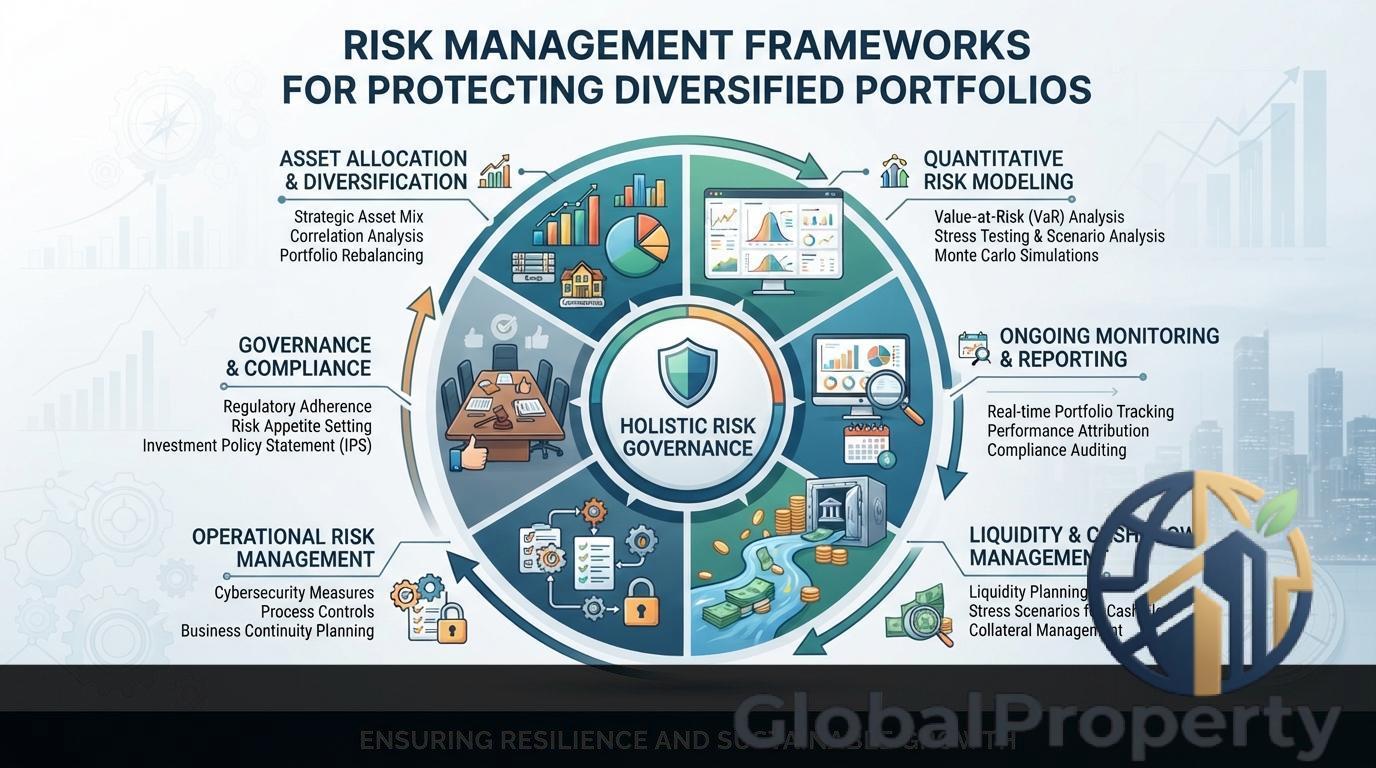
Are you an investor seeking to safeguard your diversified portfolio in an ever-changing and unpredictable market landscape? The challenge of effectively managing risks within a diverse investment portfolio is a common hurdle faced by many. Without a solid risk management framework in place, your hard-earned investments could be left exposed to unforeseen market fluctuations and volatility. This lack of protection can lead to significant financial losses and hinder your long-term investment goals.
Imagine the frustration of watching your carefully crafted portfolio suffer substantial losses due to unexpected market events. The absence of a robust risk management strategy not only jeopardizes your financial stability but also undermines your confidence as an investor. The stress and anxiety that come with witnessing your investments dwindle can have a profound impact on your overall well-being and future financial plans. Ignoring the importance of risk management could ultimately result in missed opportunities for growth and wealth accumulation.
Fortunately, there is a solution to this dilemma. By implementing effective risk management frameworks tailored to protect your diversified portfolio, you can mitigate potential losses and navigate market uncertainties with confidence. These frameworks provide you with the tools and strategies necessary to identify, assess, and manage risks proactively, ensuring that your investments remain resilient in the face of market challenges. Embracing a comprehensive risk management approach not only safeguards your portfolio but also empowers you to make informed investment decisions and seize opportunities for growth. Take control of your financial future today and discover how a robust risk management framework can secure your diversified portfolio for long-term success.
Importance of Diversification in Portfolio Management
Diversification is a fundamental concept in portfolio management that involves spreading investments across different asset classes, industries, and regions to reduce overall risk. By diversifying a portfolio, investors can potentially minimize the impact of negative events on any single investment or sector. This strategy aims to achieve a balance between risk and return by avoiding overexposure to any particular asset. Diversification can help protect a portfolio from market volatility, economic downturns, and unexpected events, ultimately enhancing the potential for long-term growth.
Common Risks in Investment Portfolios
Investment portfolios are exposed to various risks that can impact their performance. Common risks include market risk, which arises from fluctuations in stock prices and interest rates; credit risk, associated with the potential default of bond issuers; inflation risk, which erodes the real value of investments over time; and liquidity risk, stemming from the inability to sell assets quickly without significant loss. Understanding these risks is crucial for investors to implement effective risk management strategies and protect their portfolios from adverse outcomes.
Common Risks in Investment Portfolios
Investment portfolios are subject to various risks that can impact their performance and value. Market risk, also known as systematic risk, arises from factors affecting the overall market such as economic conditions, interest rates, and geopolitical events. Specific risk, on the other hand, is unique to individual investments and can include company-specific issues like management changes or product recalls. Liquidity risk refers to the possibility of not being able to sell an investment quickly without significantly impacting its price. Credit risk arises when a borrower fails to repay a loan or debt obligation.
Best Practices for Portfolio Risk Assessment
Effective portfolio risk assessment is crucial for managing and mitigating risks in investment portfolios. Diversification, asset allocation, and periodic rebalancing are key strategies to reduce risk exposure. By spreading investments across different asset classes, industries, and regions, investors can lower the impact of any single risk factor on the overall portfolio. Regularly reviewing and adjusting the portfolio’s asset allocation based on changing market conditions can help maintain a balanced risk-return profile. Utilizing risk assessment tools and metrics such as Value at Risk (VaR) and Sharpe ratio can provide valuable insights into the risk levels and performance of the portfolio.

Best Practices for Portfolio Risk Assessment
Portfolio risk assessment is a critical aspect of effective portfolio management. It involves evaluating the potential risks associated with an investment portfolio to make informed decisions. One of the best practices in portfolio risk assessment is to conduct a thorough analysis of various risk factors, including market risk, credit risk, liquidity risk, and operational risk. By identifying and quantifying these risks, portfolio managers can develop risk mitigation strategies to protect the portfolio against potential losses.
Another best practice is to regularly review and update risk assessments to ensure they remain relevant in changing market conditions. Utilizing advanced risk assessment techniques and tools can also enhance the accuracy and effectiveness of the evaluation process. By implementing best practices for portfolio risk assessment, investors can better understand the risks involved in their portfolios and make informed decisions to optimize their investment strategies.
Tools for Implementing Risk Management Frameworks
When it comes to implementing risk management frameworks in portfolio management, utilizing the right tools is essential for success. One common tool used for risk management is risk assessment software, which helps in identifying, analyzing, and monitoring various risks within an investment portfolio. These tools provide valuable insights into potential risks, allowing portfolio managers to proactively manage and mitigate them.
Additionally, data analytics tools can be used to analyze historical data and predict future risks, enabling better decision-making in portfolio management. Risk modeling software is another valuable tool that helps in simulating different risk scenarios and assessing their potential impact on the portfolio. By leveraging these tools effectively, portfolio managers can enhance their risk management processes and improve the overall performance of their investment portfolios.
Tools for Implementing Risk Management Frameworks
Risk management frameworks are essential for effectively identifying, assessing, and mitigating risks within investment portfolios. Utilizing the right tools can streamline this process and enhance decision-making. One key tool is Risk Assessment Software, which helps in quantifying and prioritizing risks based on their potential impact and likelihood of occurrence. This software often includes features like risk registers, risk heat maps, and scenario analysis capabilities, providing a comprehensive view of portfolio risks.
Another valuable tool is Portfolio Analytics Software, which aids in monitoring portfolio performance, risk exposure, and diversification levels. This software allows investors to track key metrics, analyze historical data, and simulate various scenarios to better understand the potential outcomes of different risk management strategies. By leveraging these tools, investors can make informed decisions to protect their portfolios and optimize risk-adjusted returns.
Case Studies on Successful Portfolio Diversification Strategies
Portfolio diversification is a fundamental strategy for managing risk and maximizing returns. Successful case studies demonstrate how a well-diversified portfolio can weather market fluctuations and deliver consistent performance over time. One such case study could focus on a hypothetical investor who allocates their assets across various asset classes, such as stocks, bonds, real estate, and commodities.
By analyzing the performance of each asset class during different market conditions, this case study can illustrate the benefits of diversification in reducing correlation risk and enhancing overall portfolio stability. Additionally, it can highlight the importance of periodically rebalancing the portfolio to maintain the desired asset allocation and ensure that risk remains within acceptable levels. Real-world examples of successful portfolio diversification strategies can provide valuable insights for investors looking to build resilient and profitable investment portfolios.
Case Studies on Successful Portfolio Diversification Strategies
Case Study 1: Technology Sector Diversification
In this case study, a portfolio manager strategically diversified their investment holdings within the technology sector. By allocating funds across various subsectors such as software, hardware, and cloud services, the portfolio was able to mitigate the risk of sector-specific downturns. This diversification strategy helped the portfolio maintain stability and achieve consistent growth even during periods of market volatility.
Case Study 2: Global Asset Allocation
Another successful diversification strategy involved a global asset allocation approach. By investing in a mix of domestic and international markets, as well as different asset classes like stocks, bonds, and commodities, the portfolio was able to spread risk across multiple regions and industries. This approach not only reduced the impact of localized market events but also provided opportunities for capitalizing on emerging trends and growth sectors.
Future Trends in Portfolio Risk Management
Integration of Artificial Intelligence
The future of portfolio risk management is closely tied to advancements in artificial intelligence (AI). AI-powered algorithms can analyze vast amounts of data in real-time, enabling more accurate risk assessment and proactive risk mitigation strategies. Portfolio managers are increasingly leveraging AI tools to enhance decision-making processes and optimize portfolio performance.
Emphasis on ESG Factors
Environmental, Social, and Governance (ESG) considerations are becoming integral to portfolio risk management. Investors are increasingly prioritizing sustainable and socially responsible investments, leading to a shift towards ESG integration in risk assessment frameworks. Future trends indicate a greater emphasis on ESG factors to not only manage risks but also align portfolios with ethical and long-term value creation goals.
Future Trends in Portfolio Risk Management
Artificial Intelligence (AI) Integration: One of the key future trends in portfolio risk management is the increasing integration of artificial intelligence (AI) technologies. AI can analyze vast amounts of data quickly and accurately, helping portfolio managers make more informed decisions and mitigate risks effectively. Machine learning algorithms can identify patterns and trends that humans may overlook, providing valuable insights for optimizing portfolio risk management strategies.
Environmental, Social, and Governance (ESG) Factors: Another important trend is the growing emphasis on incorporating environmental, social, and governance factors into risk management frameworks. Investors are increasingly concerned about sustainability and ethical practices, leading to the integration of ESG considerations into portfolio risk assessments. Companies that prioritize ESG factors are seen as more resilient to risks related to climate change, social issues, and governance scandals, making ESG integration a key aspect of future portfolio risk management strategies.