
Are you planning to purchase a property but feeling overwhelmed by the jargon surrounding freehold and leasehold ownership? The distinction between these two types of property ownership can be a confusing maze for many prospective buyers. Understanding the legal variances between freehold and leasehold ownership is crucial to making an informed decision that aligns with your long-term goals and financial well-being.
Imagine finally finding your dream home, only to discover later that you don’t fully own the property due to leasehold restrictions. The restrictions and potential hidden costs associated with leasehold ownership can turn your dream home into a nightmare. From escalating ground rents to limited control over property alterations, the frustrations of leasehold ownership can impact your quality of life and future financial planning significantly.
However, fear not! By gaining a comprehensive understanding of the legal disparities between freehold and leasehold ownership, you can navigate the property market with confidence and clarity. Knowing the rights and responsibilities attached to each type of ownership empowers you to make sound decisions that suit your individual circumstances. Let’s delve into the world of property ownership to unravel the complexities of freehold and leasehold distinctions, ensuring you embark on your property journey armed with knowledge and certainty.
Exploring the Legal Variances of Freehold vs Leasehold
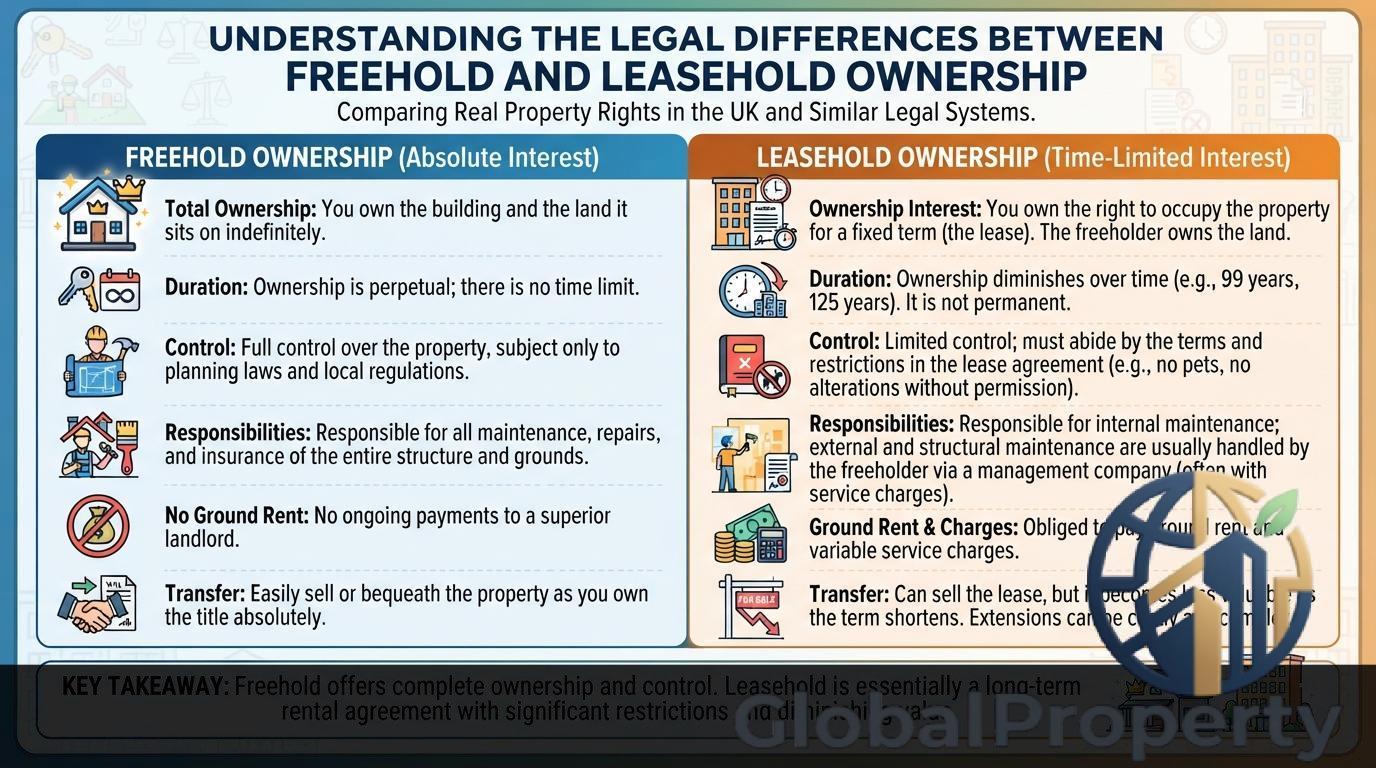
Freehold Ownership: Refers to owning both the land and the property on it indefinitely. With freehold ownership, the owner has complete control over the property and can make decisions without much restriction. This type of ownership is considered more desirable as it provides a sense of security and autonomy.
Leasehold Ownership: In contrast, leasehold ownership involves owning the property for a set period of time as specified in the lease agreement. The land is typically owned by a separate entity, and the leaseholder must adhere to certain restrictions and conditions outlined in the lease. Leasehold ownership is common for apartments and commercial properties.
Legal Contrast: Freehold vs Leasehold Property Rights
When it comes to property rights, freehold ownership grants the owner full rights to the property, including the land and any structures on it. This means the owner can make alterations, sell, or transfer the property as they see fit. On the other hand, leasehold ownership comes with more limited rights, as the leaseholder must comply with the terms of the lease agreement and may require permission for certain actions such as renovations.
Comprehensive Guide: Freehold vs Leasehold Ownership
Freehold vs Leasehold Ownership: Understanding the legal implications of freehold and leasehold ownership is crucial for property buyers and investors. In a freehold ownership, the buyer owns the property and the land it sits on indefinitely, giving them full control and responsibility. On the other hand, leasehold ownership grants the buyer the right to use the property for a specified period under an agreement with the landowner.
Legal Considerations: Freehold properties typically involve higher upfront costs but offer more freedom in terms of modifications and usage. Leasehold properties, while more affordable initially, come with restrictions and obligations that the leaseholder must adhere to. It’s essential for buyers to weigh the pros and cons of each type of ownership before making a decision to ensure they understand their rights and responsibilities.
Legal Aspects: Freehold vs Leasehold Ownership
Legal Framework: When it comes to freehold vs leasehold ownership, the legal distinctions play a significant role in determining property rights and obligations. Freehold ownership provides the owner with full rights over the property, including the land it occupies, without any time restrictions. Leasehold ownership, on the other hand, involves a contractual agreement between the leaseholder and the freeholder, specifying the terms and conditions of use.
Legal Safeguards: Understanding the legal aspects of freehold and leasehold ownership is essential to avoid disputes and ensure a smooth transaction process. Legal documentation, such as the lease agreement or freehold deed, outlines the rights and responsibilities of each party involved. Consulting with legal experts can provide clarity on complex legal terms and help buyers navigate the legal intricacies of property ownership.
Legal Contrast: Freehold vs Leasehold Property Rights
Freehold ownership grants the homeowner full rights and ownership of the property and the land it sits on indefinitely. This means the owner has the freedom to make any modifications or changes to the property without seeking permission. In contrast, leasehold ownership involves owning the property for a specified period of time, typically decades, while the land itself is owned by a landlord. Leasehold owners have to adhere to certain restrictions and may require permission for alterations to the property.
Key Differences: Freehold vs Leasehold Ownership Explained
Understanding the key differences between freehold and leasehold ownership is crucial for anyone looking to purchase property. With freehold ownership, the homeowner has complete control over the property and the land it stands on, providing long-term security and a sense of ownership. On the other hand, leasehold ownership offers a more temporary arrangement, with the property reverting to the landlord at the end of the lease term. It’s important for buyers to consider factors such as lease length, ground rent, and maintenance responsibilities when choosing between freehold and leasehold.
Key Differences: Freehold vs Leasehold Ownership Explained
Freehold ownership refers to owning both the land and the property on it indefinitely. This means that the owner has full control and can make any alterations to the property as desired. On the other hand, leasehold ownership involves owning the property for a set period, typically ranging from 99 to 999 years, while the land remains under the ownership of the freeholder. One key difference lies in the rights and responsibilities of each type of ownership. Freehold owners have more autonomy and fewer restrictions compared to leasehold owners, who may need permission for certain modifications or renovations.
Understanding the legal distinctions between freehold and leasehold ownership is crucial for property buyers and investors. Freehold properties are often perceived as more valuable due to the perpetual ownership rights they offer. Leasehold properties, on the other hand, may come with additional costs such as ground rent and service charges. It’s essential to consider these factors when deciding between freehold and leasehold ownership to make an informed decision that aligns with your long-term goals and financial considerations.
Legal Contrast: Freehold vs Leasehold Property Rights
When it comes to property rights, freehold ownership grants the owner absolute rights over both the land and the property built on it. This includes the right to sell, alter, or pass down the property to heirs without restrictions. In contrast, leasehold ownership comes with certain limitations as the property is held on a lease for a specified period. Leasehold owners may have to adhere to restrictions set out in the lease agreement, such as seeking permission for structural changes or subletting.
Understanding the legal contrasts between freehold and leasehold property rights is essential for property owners to navigate the complexities of property ownership. While freehold ownership offers greater freedom and control, leasehold ownership provides a more structured framework with specific obligations and limitations. It’s important for property owners to be aware of these distinctions to protect their rights and interests in the long run.
6. Freehold vs Leasehold Ownership: Legal Aspects
In the realm of real estate law, the distinction between freehold and leasehold ownership holds significant legal implications. Freehold ownership grants the owner full rights and responsibilities over the property, including the land and any buildings on it, with no time restrictions. On the other hand, leasehold ownership involves a lease agreement where the owner holds the property for a specified period, subject to certain terms and conditions.
Understanding Legal Rights and Obligations
When it comes to freehold ownership, the owner enjoys absolute control over the property, allowing for modifications, improvements, and even total disposal. In contrast, leasehold ownership comes with limitations, as the owner must adhere to the lease terms set by the landlord, which may include restrictions on alterations and subletting. Legal disputes in freehold versus leasehold ownership often revolve around issues of maintenance responsibilities, rights to access, and renewal or termination of the lease agreement.
7. Unveiling the Legal Disparities Between Freehold and Leasehold Ownership
When delving into the realm of real estate ownership, understanding the legal disparities between freehold and leasehold is crucial. Freehold ownership grants the owner full rights over the property, including the land it sits on, without a time limit. On the other hand, leasehold ownership involves owning the property for a set period, after which ownership reverts to the freeholder. These legal differences impact property rights, responsibilities, and potential investment returns.
Legal Implications of Freehold vs Leasehold Ownership
The legal disparities between freehold and leasehold ownership extend beyond just the duration of ownership. Freehold owners have the freedom to make decisions about their property without seeking permission, while leasehold owners may face restrictions on alterations or subletting. Understanding these legal implications is essential for both property buyers and investors to make informed decisions and avoid potential legal disputes in the future.