
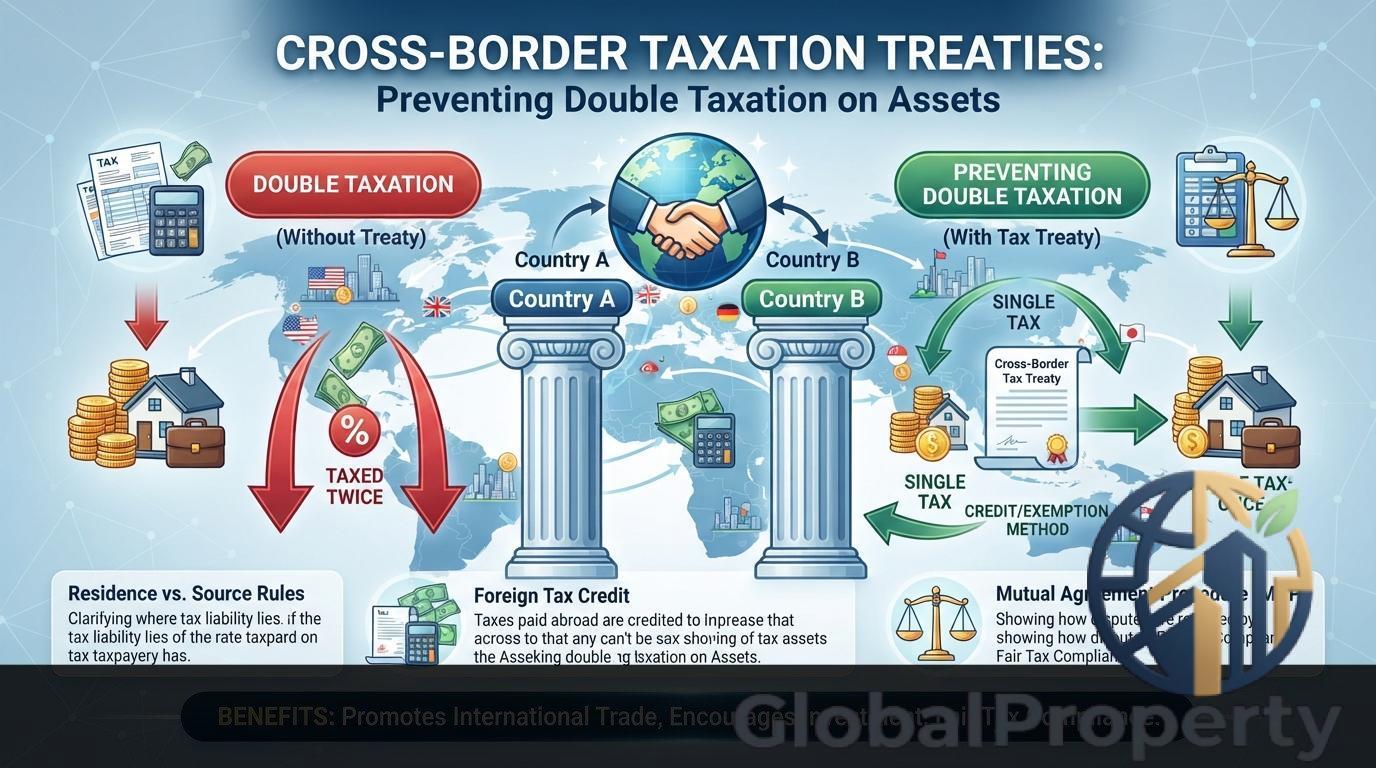
Are you tired of navigating the complex web of cross-border taxation laws that often lead to double taxation on your hard-earned assets? The issue of double taxation is a common headache for individuals and businesses operating internationally. Imagine working diligently to grow your wealth, only to find a significant portion of it being eaten away by taxes imposed by multiple countries. This problem not only drains your financial resources but also adds layers of administrative burden and compliance complexities.
Now, picture the mounting frustration and financial strain caused by double taxation. You find yourself stuck in a quagmire of conflicting tax regulations, struggling to make sense of which country has the right to tax your income and assets. The fear of paying taxes twice on the same income looms large, eroding your confidence in international investments and hindering your financial growth potential. The lack of clarity and consistency in cross-border taxation rules can be overwhelming, leaving you feeling trapped and powerless.
But fret not, there is a beacon of hope in the form of Cross-Border Taxation Treaties! These treaties exist to prevent double taxation, provide guidelines for resolving tax disputes between countries, and offer a path towards a more streamlined and fair tax system for international transactions. By understanding and leveraging these treaties effectively, you can safeguard your assets, optimize your tax liabilities, and gain peace of mind in your global financial endeavors. Join us on a journey to unravel the intricacies of Cross-Border Taxation Treaties and empower yourself with the knowledge to protect your wealth from the pitfalls of double taxation.
Importance of Preventing Double Taxation on Assets
Double taxation on assets can significantly impact individuals and businesses operating internationally. It occurs when the same income or asset is taxed in more than one jurisdiction, leading to financial burdens and complexities. To avoid this scenario, countries enter into cross-border tax treaties to provide relief and ensure fair treatment for taxpayers. These treaties establish rules to allocate taxing rights between countries, eliminate double taxation, and prevent tax evasion.
Preventing double taxation is crucial for promoting international trade and investment. By providing clarity and certainty on tax obligations, these treaties help reduce compliance costs, encourage cross-border transactions, and foster economic growth. Additionally, avoiding double taxation enhances tax fairness and equity by ensuring that income is not excessively taxed, ultimately benefiting both taxpayers and the global economy.
Key Concepts in International Taxation
International taxation involves the taxation of individuals and businesses that operate across different countries. Key concepts in international taxation include tax residency, source of income, tax treaties, transfer pricing, and controlled foreign corporations (CFCs). Tax residency determines which country has the right to tax an individual or entity based on where they are considered a resident for tax purposes. The source of income refers to the country where income is generated and may impact how it is taxed. Tax treaties are agreements between countries to prevent double taxation and provide guidelines on how to allocate taxing rights. Transfer pricing involves setting prices for transactions between related entities to ensure they are at arm’s length. Controlled foreign corporations are entities established in foreign countries by residents to reduce tax liabilities.
Overview of Cross-Border Tax Treaties
Cross-border tax treaties are agreements between two or more countries to address issues related to double taxation and tax evasion. These treaties aim to provide clarity on the taxation of cross-border activities, prevent tax disputes, and promote international trade and investment. The treaties typically define the types of income covered, allocate taxing rights between countries, establish mechanisms for resolving disputes, and outline procedures for exchanging tax information. Countries negotiate tax treaties based on mutual benefits and considerations of fairness and equity. By establishing clear rules and procedures, cross-border tax treaties help create a more predictable and stable environment for businesses and individuals operating internationally.
Overview of Cross-Border Tax Treaties
Cross-border tax treaties play a crucial role in facilitating international trade and investment by providing a framework for resolving tax issues between countries. These treaties are bilateral agreements that aim to prevent double taxation and tax evasion, promote transparency, and enhance cooperation between tax authorities. By establishing rules on how income and assets are taxed in each country, these treaties provide certainty for businesses and individuals operating across borders.
Methods to Avoid Double Taxation on Assets
Preventing double taxation on assets is essential for promoting cross-border economic activities. One common method to achieve this is through the use of tax credits or exemptions. Tax credits allow taxpayers to offset taxes paid in one country against taxes owed in another, while exemptions exclude certain income or assets from being taxed in one of the jurisdictions. Additionally, countries may enter into tax treaties to provide rules for allocating taxing rights on specific types of income or assets, further reducing the risk of double taxation.
5. Methods to Avoid Double Taxation on Assets
Double taxation on assets can be a significant concern for individuals and businesses engaging in cross-border transactions. Fortunately, there are several methods available to avoid or minimize this issue. One common approach is through the use of tax treaties between countries. These treaties often include provisions that prevent double taxation by specifying which country has the primary right to tax certain types of income or assets. By leveraging these agreements, taxpayers can ensure that they are not taxed twice on the same income or asset.
Another method to avoid double taxation is through the foreign tax credit mechanism. This allows taxpayers to offset taxes paid in one country against their tax liability in another country, thereby avoiding double taxation. Additionally, some countries offer tax exemptions or deductions for certain types of income earned abroad. By carefully planning and structuring transactions, individuals and businesses can take advantage of these provisions to minimize the impact of double taxation on their assets.
Methods to Avoid Double Taxation on Assets
Double taxation can be a significant challenge for individuals and businesses operating across borders. To mitigate this issue, various methods can be employed to avoid being taxed twice on the same income or assets. One common approach is the application of tax treaties between countries, which help determine which country has the primary right to tax specific types of income. Additionally, utilizing foreign tax credits can help offset tax liabilities in one country by the taxes paid in another, thereby reducing the overall tax burden on the taxpayer.
Case Studies on Cross-Border Taxation Treaties
Examining case studies on cross-border taxation treaties can provide valuable insights into how these agreements work in practice. By analyzing real-world examples of tax treaty applications, individuals and businesses can better understand the implications of such treaties on their tax obligations. Case studies can help illustrate the benefits and challenges of cross-border taxation treaties, showcasing how they can impact different scenarios and entities involved in international transactions.
Conclusion and Future Trends in Tax Treaty Negotiations
Conclusion: In conclusion, cross-border tax treaties play a crucial role in facilitating international trade and investment by providing clarity and consistency in tax obligations for individuals and businesses operating across borders. These agreements help prevent double taxation on assets, promote cooperation between countries, and reduce tax evasion opportunities.
Future Trends: Looking ahead, the future of tax treaty negotiations is likely to be influenced by several key trends. One important trend is the increasing focus on addressing tax avoidance strategies used by multinational corporations through initiatives such as the Base Erosion and Profit Shifting (BEPS) project. Additionally, the digitalization of the economy presents new challenges for tax treaty frameworks, as countries seek to adapt their tax rules to the changing nature of business activities.