
Are you tired of high energy bills and uncomfortable indoor temperatures? If so, you’re not alone. Many homeowners struggle to find the right insulation materials that are not only effective but also environmentally friendly. The market is flooded with various options, making it challenging to choose the best one for your needs. This dilemma often leaves people feeling overwhelmed and unsure of where to turn.
Imagine the frustration of constantly adjusting your thermostat, only to find that your home still doesn’t maintain a comfortable temperature. Not to mention the impact of inadequate insulation on your carbon footprint and the environment. The consequences of using subpar insulation materials can lead to increased energy consumption, higher costs, and a reduced quality of life in your own home. It’s a problem that requires a thoughtful and sustainable solution.
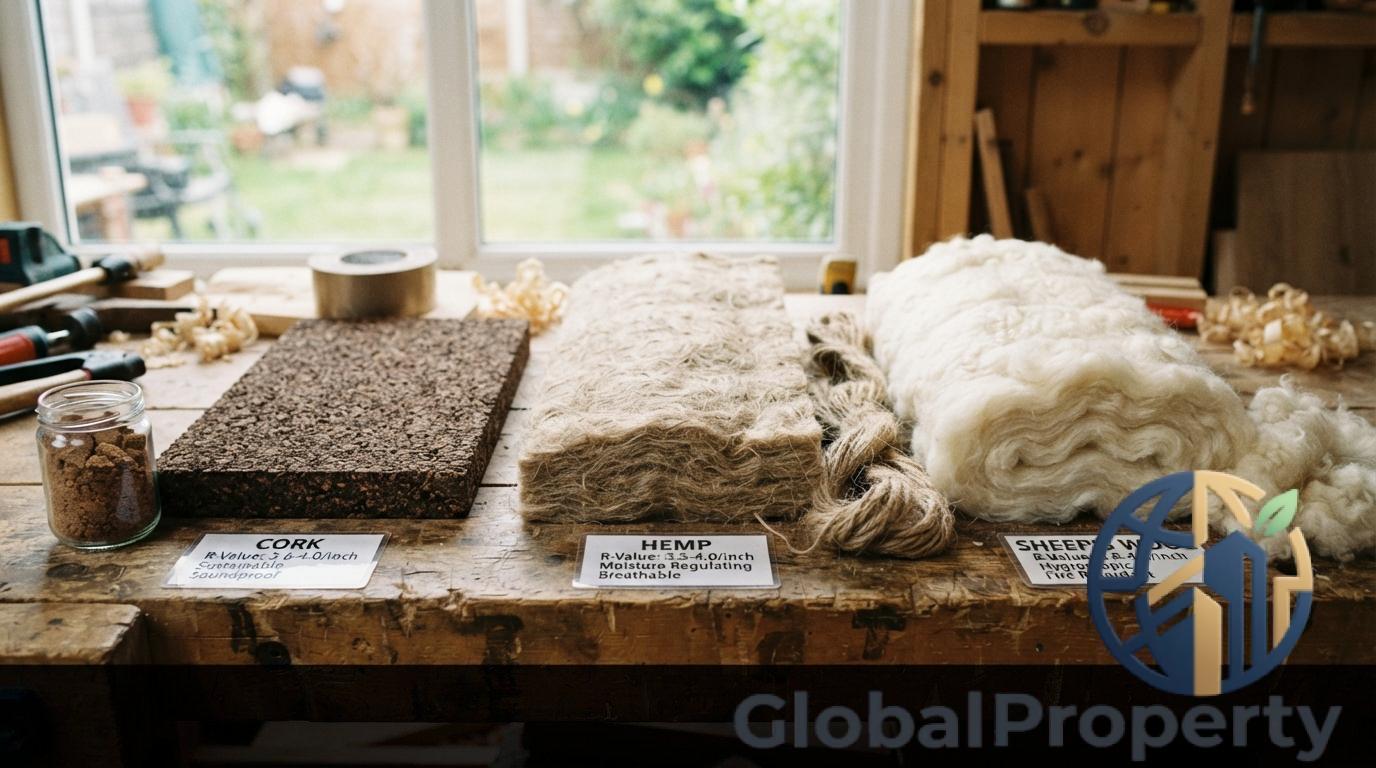
Enter natural insulation materials such as cork, hemp, and sheep’s wool. These eco-friendly options not only provide excellent insulation properties but also offer a range of benefits for your home and the planet. By exploring the unique characteristics of each material, you can make an informed decision that aligns with your values and needs. Join us as we dive into the world of natural insulation materials and discover how they can revolutionize the way you think about keeping your home comfortable and energy-efficient.
Benefits of Using Natural Insulation Materials
Natural insulation materials offer a multitude of benefits that make them a superior choice for sustainable construction projects. These materials, such as cork, hemp, and sheep’s wool, provide excellent thermal performance, moisture control, and sound insulation properties. In addition, they are renewable, biodegradable, and non-toxic, contributing to a healthier indoor environment. By using natural insulation materials, builders can reduce energy consumption, lower carbon emissions, and decrease the overall environmental impact of a building.
Environmental Impact of Natural Insulation Materials
One of the key advantages of natural insulation materials is their minimal environmental impact throughout their lifecycle. These materials are sourced from renewable resources and have low embodied energy compared to traditional insulation products. Cork, hemp, and sheep’s wool insulation contribute to carbon sequestration, improving the overall sustainability of a building. Additionally, natural insulation materials are biodegradable, reducing waste generation and promoting a circular economy. By choosing natural insulation materials, builders can prioritize environmental stewardship and create healthier, more eco-friendly living spaces.
Benefits of Using Natural Insulation Materials
Natural insulation materials offer a range of benefits that make them an attractive choice for eco-conscious homeowners. These materials, such as cork, hemp, and sheep’s wool, provide excellent thermal performance, helping to regulate indoor temperatures and reduce energy consumption. Additionally, natural insulation materials are sustainable and renewable, making them environmentally friendly options. They are also non-toxic and do not release harmful chemicals into the air, improving indoor air quality and creating a healthier living environment. Furthermore, natural insulation materials are often easy to work with, contributing to faster and more efficient installation processes.
Properties of Cork Insulation
Cork insulation is a versatile and durable material that offers excellent thermal insulation properties. It is lightweight, fire-resistant, and resistant to mold and mildew, making it a safe and long-lasting insulation option. Cork insulation also has sound-absorbing qualities, reducing noise pollution and creating a quieter indoor environment. In addition, cork is a sustainable material, as it is harvested from the bark of cork oak trees without harming the trees themselves. This makes cork insulation an environmentally friendly choice for those looking to reduce their carbon footprint and create a more sustainable home.
Properties of Hemp Insulation
Hemp insulation is a sustainable and eco-friendly material that is derived from the hemp plant. It offers excellent thermal insulation properties, helping to regulate indoor temperatures and reduce energy consumption. Hemp insulation is also known for its breathability, moisture-wicking abilities, and resistance to mold and pests. Additionally, hemp insulation is easy to install and can be a cost-effective solution for improving the energy efficiency of buildings.
Properties of Sheep’s Wool Insulation
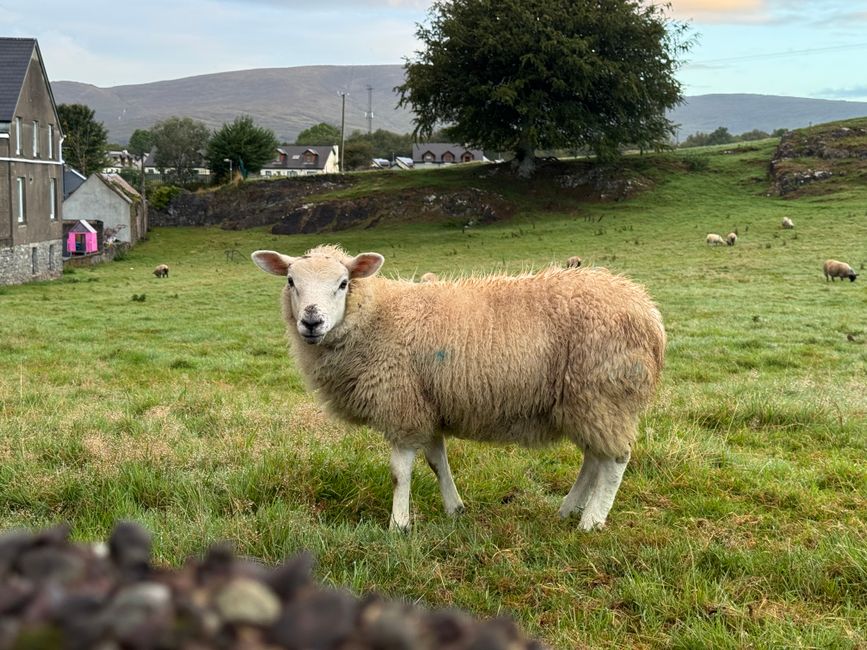
Sheep’s wool insulation is a natural and renewable material that offers great thermal performance. It has the ability to absorb and release moisture, helping to maintain a comfortable indoor environment. Sheep’s wool insulation is also fire-resistant, non-toxic, and biodegradable, making it a safe and sustainable choice for insulation. Additionally, sheep’s wool insulation has a long lifespan and can be recycled at the end of its use, further reducing its environmental impact.
Properties of Sheep’s Wool Insulation
Sheep’s wool insulation is a natural and sustainable choice for insulating homes and buildings. It is known for its excellent thermal performance, moisture-wicking properties, and fire resistance. Sheep’s wool insulation is also biodegradable, making it an environmentally friendly option. Additionally, it has the ability to absorb and release moisture, helping to regulate indoor humidity levels and improve indoor air quality.
Benefits of Using Natural Insulation Materials
Natural insulation materials offer a range of benefits compared to traditional synthetic options. They are renewable, biodegradable, and have low embodied energy, making them a more sustainable choice for the environment. Natural insulation materials also provide excellent thermal performance, helping to reduce energy consumption and lower heating and cooling costs. They are non-toxic and contribute to healthier indoor air quality, making them a preferred choice for eco-conscious homeowners.
Comparison of Thermal Performance
Thermal performance is a critical factor to consider when selecting insulation materials for buildings. It directly impacts energy efficiency and the overall comfort of a space. When comparing natural insulation materials such as cork, hemp, and sheep’s wool, it is essential to evaluate their thermal conductivity, R-value, and moisture resistance.
Each material has unique properties that contribute to its thermal performance. Cork insulation offers excellent thermal resistance and is effective in regulating indoor temperatures. Hemp insulation, on the other hand, provides a high R-value and is known for its moisture-wicking abilities. Sheep’s wool insulation is prized for its natural insulation properties and ability to retain heat even when damp. Understanding the differences in thermal performance among these materials can help builders and homeowners make informed decisions when choosing the most suitable option for their specific needs.
Environmental Impact of Natural Insulation Materials
Natural insulation materials offer significant environmental benefits compared to traditional synthetic options. By using renewable and sustainable resources such as cork, hemp, and sheep’s wool, these materials help reduce the carbon footprint of buildings and contribute to overall environmental conservation efforts. Additionally, natural insulation materials are biodegradable, reducing the amount of waste generated during building construction and demolition.
Furthermore, the production processes for natural insulation materials are typically less energy-intensive and produce fewer harmful emissions compared to synthetic alternatives. This results in improved indoor air quality and a healthier living environment for occupants. Choosing natural insulation materials is a proactive step towards creating more eco-friendly and sustainable buildings that promote environmental stewardship.