
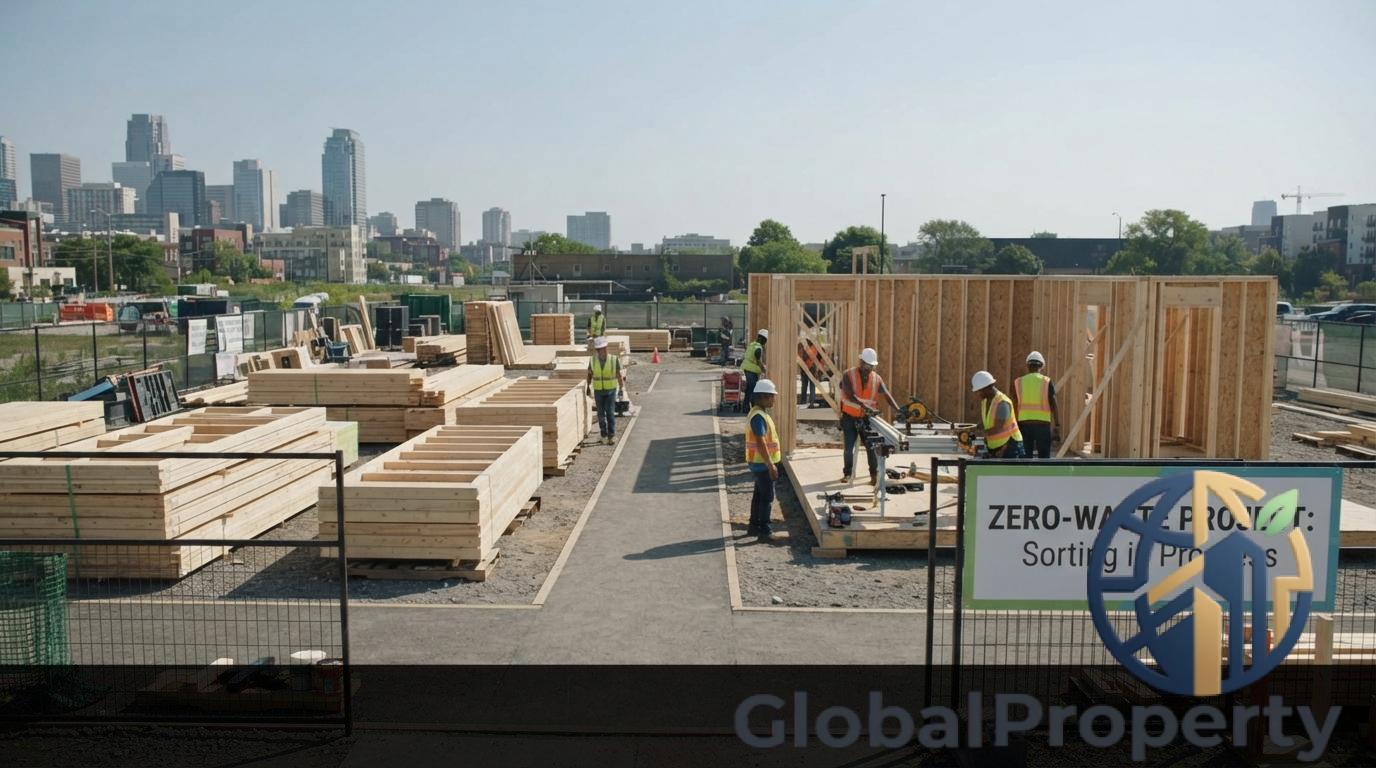
Imagine a bustling construction site filled with noise, dust, and debris. While the progress and development are evident, so is the environmental impact left behind. The construction industry is notorious for generating a significant amount of waste, contributing to pollution, resource depletion, and habitat destruction. This problem is not just a concern for the present but also for the future generations who will inherit the consequences of our actions.
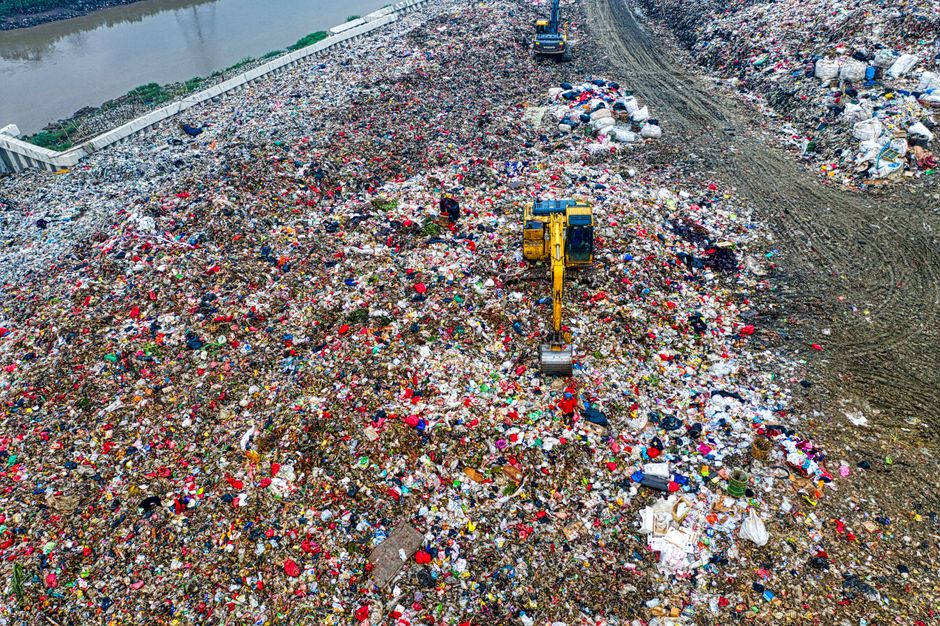
Now, picture the frustration of seeing perfectly usable materials being discarded, landfills overflowing with construction waste, and ecosystems being disrupted due to unsustainable building practices. The lack of proper waste management not only harms the environment but also leads to missed opportunities for cost savings, resource efficiency, and overall sustainability. The traditional approach to construction has long been associated with a linear ‘take-make-waste’ model, but the time has come for a paradigm shift towards zero-waste practices.
Enter the concept of zero-waste construction – a revolutionary approach that aims to minimize the environmental impact of construction sites through waste reduction, recycling, and resource optimization. By adopting innovative techniques, utilizing sustainable materials, and implementing efficient waste management strategies, construction projects can significantly reduce their carbon footprint and contribute to a healthier planet. Join us on a journey to explore the principles, benefits, and practical applications of zero-waste construction, and discover how you can be part of the solution to create a more sustainable future.
Benefits of Implementing Zero-Waste Practices
Implementing zero-waste practices in construction offers a myriad of benefits that not only contribute to a more sustainable environment but also lead to cost savings and increased efficiency. By focusing on reducing waste throughout the construction process, companies can minimize their environmental impact by sending less waste to landfills, conserving resources, and lowering carbon emissions. This not only aligns with global sustainability goals but also enhances the reputation of construction firms as responsible and eco-conscious entities.
Moreover, embracing zero-waste practices can result in improved project timelines and reduced overall costs. By optimizing material usage, recycling construction waste, and incorporating circular economy principles, companies can streamline their operations, enhance project efficiency, and create a more resilient construction industry. Ultimately, the benefits of implementing zero-waste practices extend beyond environmental responsibility to encompass economic advantages and long-term sustainability.
Incorporating Circular Economy Principles in Construction
Incorporating circular economy principles in construction is essential for transitioning towards a more sustainable and resource-efficient industry. By adopting strategies such as designing for disassembly, promoting material reuse, and implementing efficient recycling processes, construction companies can contribute to a circular economy model that aims to minimize waste and maximize the value of materials throughout their lifecycle.
This shift towards circularity not only reduces the environmental footprint of construction activities but also fosters innovation, collaboration, and resilience within the industry. By rethinking traditional linear practices and embracing circular economy principles, construction firms can create a more sustainable future where resources are utilized efficiently, waste is minimized, and the overall environmental impact is significantly reduced. Embracing circular economy principles in construction is not just a choice but a necessity for building a more sustainable and resilient built environment.
Strategies for Minimizing Environmental Impact on Construction Sites
Implementing zero-waste practices in construction sites is crucial for reducing environmental impact and promoting sustainability. One effective strategy is to conduct a thorough waste audit before starting a project to identify areas where waste can be minimized. This includes assessing materials used, construction processes, and waste disposal methods. By optimizing material use and incorporating recycling and reuse practices, construction sites can significantly reduce the amount of waste generated. Additionally, implementing efficient resource management techniques, such as prefabrication and modular construction, can further reduce waste and environmental impact.
Incorporating Circular Economy Principles in Construction
Embracing circular economy principles in construction is key to achieving sustainable development goals. This approach involves designing buildings and infrastructure with a focus on maximizing resource efficiency, promoting longevity, and enabling materials to be reused or recycled at the end of their life cycle. By adopting circular economy principles, construction projects can minimize waste generation, reduce environmental impact, and contribute to a more sustainable built environment. Implementing strategies such as designing for disassembly, using recycled materials, and fostering collaboration across the construction supply chain can help create a circular economy model that benefits both the environment and the industry.
Tools and Technologies for Waste Reduction in Construction
Advancements in tools and technologies play a significant role in enhancing waste reduction efforts in the construction industry. Utilizing Building Information Modeling (BIM) software allows for detailed planning and visualization of construction projects, enabling better material management and waste reduction. Additionally, the adoption of on-site waste sorting systems, digital tracking of materials, and the use of renewable energy sources can all contribute to minimizing waste and environmental impact on construction sites. By leveraging innovative tools and technologies, construction companies can streamline their processes, improve efficiency, and achieve sustainable construction practices that benefit both the environment and the bottom line.
Case Studies of Successful Zero-Waste Construction Projects
Zero-waste construction projects are paving the way for a more sustainable future in the building industry. By implementing innovative practices and technologies, these projects aim to minimize waste generation and maximize resource efficiency. One noteworthy case study is the Green Building Council’s initiative in promoting zero-waste practices among construction companies. Through stringent waste management protocols and recycling programs, participating companies have successfully diverted a significant amount of waste from landfills, showcasing the feasibility and benefits of zero-waste construction.
Benefits of Implementing Zero-Waste Practices
Embracing zero-waste practices in construction offers a myriad of benefits, both environmental and economic. By reducing waste generation and promoting recycling, construction companies can lower disposal costs, conserve resources, and minimize their environmental footprint. Additionally, adopting zero-waste practices can enhance a company’s reputation, attract environmentally conscious clients, and drive innovation in the industry. Overall, the long-term benefits of implementing zero-waste practices far outweigh the initial investment, making it a sustainable and forward-thinking approach for construction projects.
Case Studies of Successful Zero-Waste Construction Projects
Exploring real-world examples of zero-waste construction projects can provide valuable insights into the practical application of sustainable practices in the industry. One notable case study is the renovation of a commercial building in downtown Seattle, where a comprehensive waste management plan was implemented to divert over 90% of construction waste from landfills. By prioritizing materials reuse, recycling, and composting, the project not only minimized environmental impact but also reduced costs and enhanced the overall efficiency of the construction process. This success story demonstrates the feasibility and benefits of adopting zero-waste principles in construction projects of varying scales.
Incorporating Circular Economy Principles in Construction
Incorporating circular economy principles in construction involves shifting from a linear “take-make-dispose” model to a more sustainable approach that focuses on resource conservation and regeneration. By designing buildings for disassembly, promoting material reuse, and implementing closed-loop systems, construction industry stakeholders can significantly reduce waste generation and environmental footprint. Embracing circular economy principles not only contributes to the long-term viability of construction projects but also fosters innovation, collaboration, and resilience within the industry. Through strategic planning and collaboration across the supply chain, construction professionals can create a more sustainable built environment that aligns with the principles of circular economy.
6. Tools and Technologies for Waste Reduction in Construction
Implementing tools and technologies for waste reduction in construction is essential for achieving zero-waste goals. Advanced software applications, such as Building Information Modeling (BIM), enable efficient planning, design, and management of construction projects, leading to reduced material waste. Robotics and automation technologies streamline construction processes, minimizing errors and optimizing resource utilization. Drones are increasingly used for site surveys, monitoring progress, and identifying potential areas for waste reduction.
Smart sensors and IoT devices play a crucial role in tracking and managing waste streams on construction sites, allowing real-time monitoring of waste generation and facilitating data-driven decision-making. Additionally, prefabrication techniques and modular construction methods reduce on-site waste by manufacturing components off-site and assembling them with precision, minimizing material excess. Embracing these tools and technologies not only enhances operational efficiency but also contributes significantly to promoting sustainability and environmental responsibility within the construction industry.
Future Trends in Sustainable Construction Practices
As the construction industry continues to evolve, future trends in sustainable construction practices are gaining momentum. One key trend is the increased focus on carbon-neutral construction, aiming to reduce or offset carbon emissions throughout the entire lifecycle of a building. This involves utilizing renewable energy sources, implementing energy-efficient designs, and exploring innovative materials with lower carbon footprints. Additionally, circular construction practices are becoming more prevalent, emphasizing the reuse, repurposing, and recycling of materials to minimize waste generation. Advanced technologies like Building Information Modeling (BIM) and Internet of Things (IoT) are also expected to play a crucial role in optimizing resource management and improving efficiency in sustainable construction projects.
Case Studies of Successful Zero-Waste Construction Projects
Examining case studies of successful zero-waste construction projects provides valuable insights into the practical application of sustainable principles in real-world scenarios. One notable example is the Edge building in Amsterdam, known for achieving the highest BREEAM (Building Research Establishment Environmental Assessment Method) rating due to its innovative design and waste reduction strategies. By incorporating features like rainwater harvesting, natural ventilation systems, and materials with high recycled content, the Edge demonstrates how a holistic approach to sustainability can lead to impressive environmental performance. Another case study is the Zero Waste Research Center in Italy, which showcases the benefits of a closed-loop system where waste materials are continuously reused or recycled within the construction process, contributing to significant reductions in overall waste generation.