
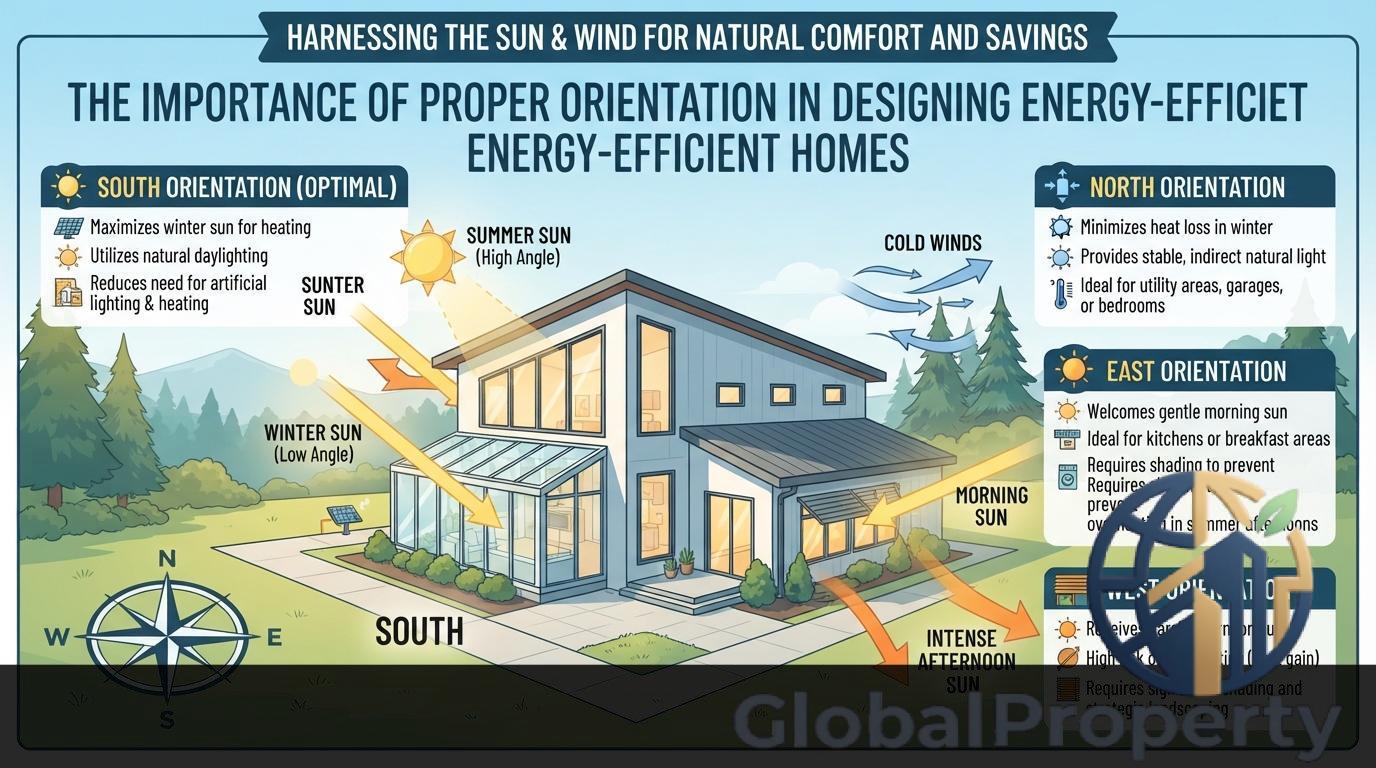
Have you ever felt the discomfort of a room that just can’t seem to maintain a comfortable temperature, no matter how much you adjust the thermostat? Or perhaps you’ve experienced the frustration of high energy bills that seem to keep climbing despite your best efforts to conserve energy. These are common issues faced by many homeowners, and the root cause often lies in the improper orientation of their homes. The orientation of a building plays a crucial role in its energy efficiency, affecting everything from natural lighting to heating and cooling requirements.
Imagine coming home after a long day, only to find that your house is sweltering hot in the summer or freezing cold in the winter, no matter how hard your HVAC system works. Not only is this uncomfortable, but it also puts a strain on your energy consumption and costs. Improperly oriented homes can lead to inefficient energy usage, resulting in higher bills and a significant impact on the environment. The consequences of overlooking the importance of proper orientation in home design can be both frustrating and financially draining.
The solution to these common problems lies in understanding and prioritizing proper orientation in designing energy-efficient homes. By strategically positioning a home to take advantage of natural light and heat, homeowners can significantly reduce their energy consumption, lower their utility bills, and create a more sustainable living environment. Embracing the principles of proper orientation is not only beneficial for the environment but also for the comfort and well-being of those who dwell within. Join us as we delve deeper into the world of energy-efficient home design and discover how a simple shift in orientation can make a world of difference.
Understanding Energy-Efficient Homes
Energy-efficient homes are designed to minimize energy consumption while maximizing comfort and functionality. These homes utilize various technologies and materials to reduce energy waste and lower utility bills. Key features of energy-efficient homes include high levels of insulation, energy-efficient windows, efficient heating and cooling systems, and renewable energy sources like solar panels. By incorporating these elements, energy-efficient homes can significantly reduce their environmental impact and contribute to a more sustainable future.
Importance of Proper Orientation in Energy-Efficient Design
Proper orientation plays a crucial role in the energy efficiency of a home. By strategically positioning a home in relation to the sun’s path, designers can maximize natural light and heat gain in the winter while minimizing heat gain in the summer. This orientation not only enhances the overall comfort of the home but also reduces the reliance on artificial lighting and heating/cooling systems. Additionally, proper orientation can help homeowners take advantage of passive solar design principles, further enhancing the energy efficiency and sustainability of the home.
Factors Affecting Energy Efficiency in Homes
Insulation: Proper insulation is crucial for maintaining energy efficiency in homes. Insulating walls, floors, and roofs helps reduce heat transfer and keeps the indoor environment comfortable without excessive use of heating or cooling systems.
Windows and Doors: Energy-efficient windows and doors with low-e coatings, multiple panes, and proper sealing play a significant role in preventing heat loss or gain. Choosing the right materials and designs can greatly impact the overall energy efficiency of a home.
Importance of Proper Orientation in Energy-Efficient Design
Solar Gain: Proper orientation of a home can maximize solar gain in winter and minimize it in summer, reducing the need for artificial heating and cooling. South-facing windows can capture sunlight during winter, while overhangs can provide shade in summer.
Natural Ventilation: Strategic orientation can also facilitate natural ventilation, allowing for better airflow and reducing reliance on mechanical ventilation systems. Cross-ventilation and window placement can enhance indoor air quality and comfort.
Importance of Proper Orientation in Energy-Efficient Design
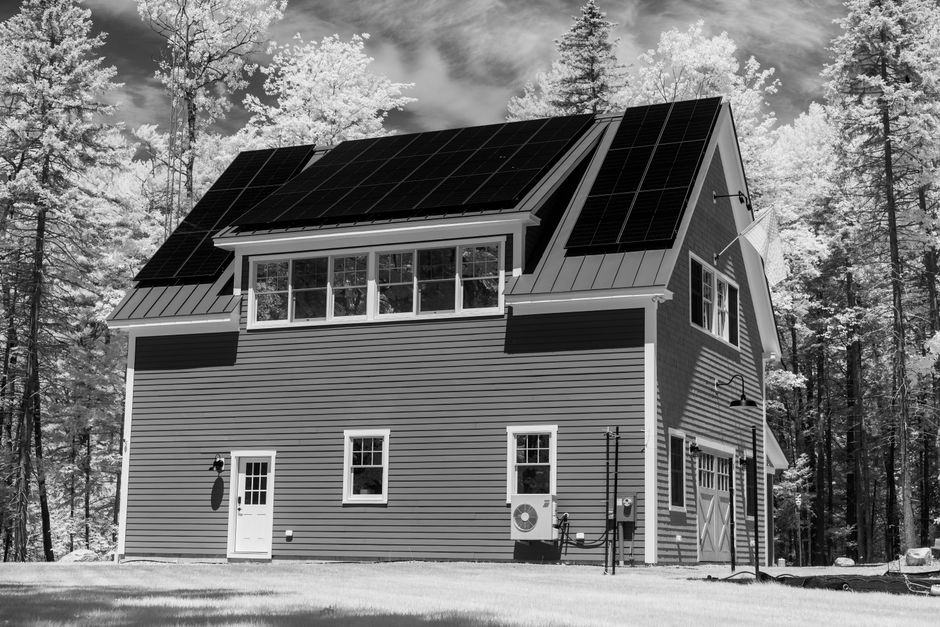
Proper orientation plays a crucial role in the energy efficiency of homes. By strategically aligning a home with the sun’s path, it can maximize natural light and heat gain during the winter months while minimizing direct sunlight exposure during the summer. This orientation not only reduces the reliance on artificial lighting and heating but also helps in controlling the indoor temperature, creating a more comfortable living environment for occupants.
Strategies for Optimizing Home Orientation
When designing energy-efficient homes, considerations for optimizing orientation include positioning windows to capture natural light, using shading techniques to prevent overheating, and incorporating thermal mass materials to regulate temperature fluctuations. Additionally, utilizing landscaping elements such as trees and shrubs strategically can further enhance the home’s energy performance by providing natural shade and wind protection. Implementing these strategies can significantly improve the overall energy efficiency of a home.
Importance of Proper Orientation in Energy-Efficient Design
Proper orientation is a critical aspect of designing energy-efficient homes. By strategically positioning a home on its lot, taking into account factors such as solar exposure and prevailing winds, homeowners can significantly reduce energy consumption. Orienting a home to maximize natural light and heat gain in the winter while minimizing direct sunlight in the summer can lead to substantial energy savings over time. Additionally, proper orientation can also enhance indoor comfort levels and reduce the reliance on mechanical heating and cooling systems, thus lowering utility bills and environmental impact.
Strategies for Optimizing Home Orientation
Optimizing home orientation involves a combination of design principles and practical considerations. Some key strategies include aligning the longest side of the house along an east-west axis to maximize solar exposure, using overhangs or deciduous trees to provide shade during hot months, and incorporating thermal mass materials to store and release heat. Furthermore, designing outdoor living spaces or planting windbreaks can help shield the home from cold winds, improving overall energy efficiency. By implementing these strategies, homeowners can create a more sustainable and comfortable living environment while reducing their carbon footprint.
Case Studies of Energy-Efficient Homes
Case studies of energy-efficient homes showcase real-world examples of successful energy-saving designs and implementations. These examples provide valuable insights into how different strategies and technologies can be applied to achieve high levels of energy efficiency in residential buildings. By analyzing these case studies, homeowners, architects, and builders can learn from best practices and innovative solutions that have been proven to reduce energy consumption and lower utility bills.
Each case study typically includes detailed information about the home’s design, construction materials, energy systems, and performance data. By examining these aspects, stakeholders can better understand the practical implications of energy-efficient design choices and the long-term benefits they offer. Furthermore, case studies often highlight the cost-effectiveness of energy-efficient features and demonstrate how sustainable practices can contribute to a more comfortable and environmentally friendly living environment.
Conclusion
In conclusion, energy-efficient homes are essential for reducing energy consumption, minimizing carbon footprint, and saving on utility bills. By implementing proper orientation, utilizing energy-efficient strategies, and considering factors that affect energy efficiency, homeowners can create sustainable living spaces that are comfortable and cost-effective.
It is crucial for individuals, architects, and builders to prioritize energy efficiency in home design to contribute to a greener future and promote environmental sustainability. With advancements in technology and a growing awareness of the importance of energy conservation, the trend towards energy-efficient homes is on the rise, paving the way for a more sustainable way of living.