
Are your energy bills skyrocketing despite your best efforts to keep your home warm in winter and cool in summer? The culprit might be right in front of you – your windows. Energy-efficient windows are not just a trend; they are a necessity in today’s world where sustainability and cost-effectiveness go hand in hand. But how exactly does the glazing on your windows impact the thermal performance of your household? Let’s dive into this crucial topic to shed light on the problem many homeowners face without even realizing it.
Imagine coming home after a long day, looking forward to a cozy evening, only to find your living room drafty and cold. Or waking up in the middle of the night, sweating profusely, unable to escape the stifling heat trapped inside your bedroom. These scenarios are all too familiar for those struggling with poor window insulation. Beyond the discomfort, inefficient windows can lead to exorbitant energy bills, wasted resources, and a significant environmental impact. The frustration of constantly battling temperature extremes indoors can take a toll on both your comfort and your wallet.
The good news is that there is a solution at hand – understanding how glazing impacts the thermal performance of your windows can be the first step towards a more energy-efficient and sustainable home. By choosing the right type of glazing and window treatments, you can significantly improve your household’s insulation, reduce energy consumption, and create a more comfortable living environment year-round. Let’s explore the fascinating world of energy-efficient windows together and discover how a simple upgrade can transform your home into a haven of thermal comfort and cost savings.
Importance of Energy-Efficient Windows
Energy-efficient windows play a crucial role in improving the overall energy efficiency of a building. By reducing heat transfer and air leakage, these windows help maintain a consistent indoor temperature, resulting in lower energy consumption for heating and cooling. This not only leads to cost savings for homeowners and businesses but also contributes to environmental sustainability by reducing carbon emissions. Energy-efficient windows are designed to minimize heat loss during the colder months and prevent heat gain during the warmer months, creating a more comfortable living or working environment year-round.
Benefits of Energy-Efficient Windows
The benefits of energy-efficient windows extend beyond just energy savings. These windows can enhance the comfort of indoor spaces by reducing drafts and cold spots, leading to a more pleasant living or working environment. Additionally, energy-efficient windows can help minimize outside noise infiltration, improve natural light diffusion, and even enhance the overall value of a property. Investing in energy-efficient windows is not only a wise decision for cost savings but also for enhancing the overall quality and sustainability of a building.
Types of Window Glazing
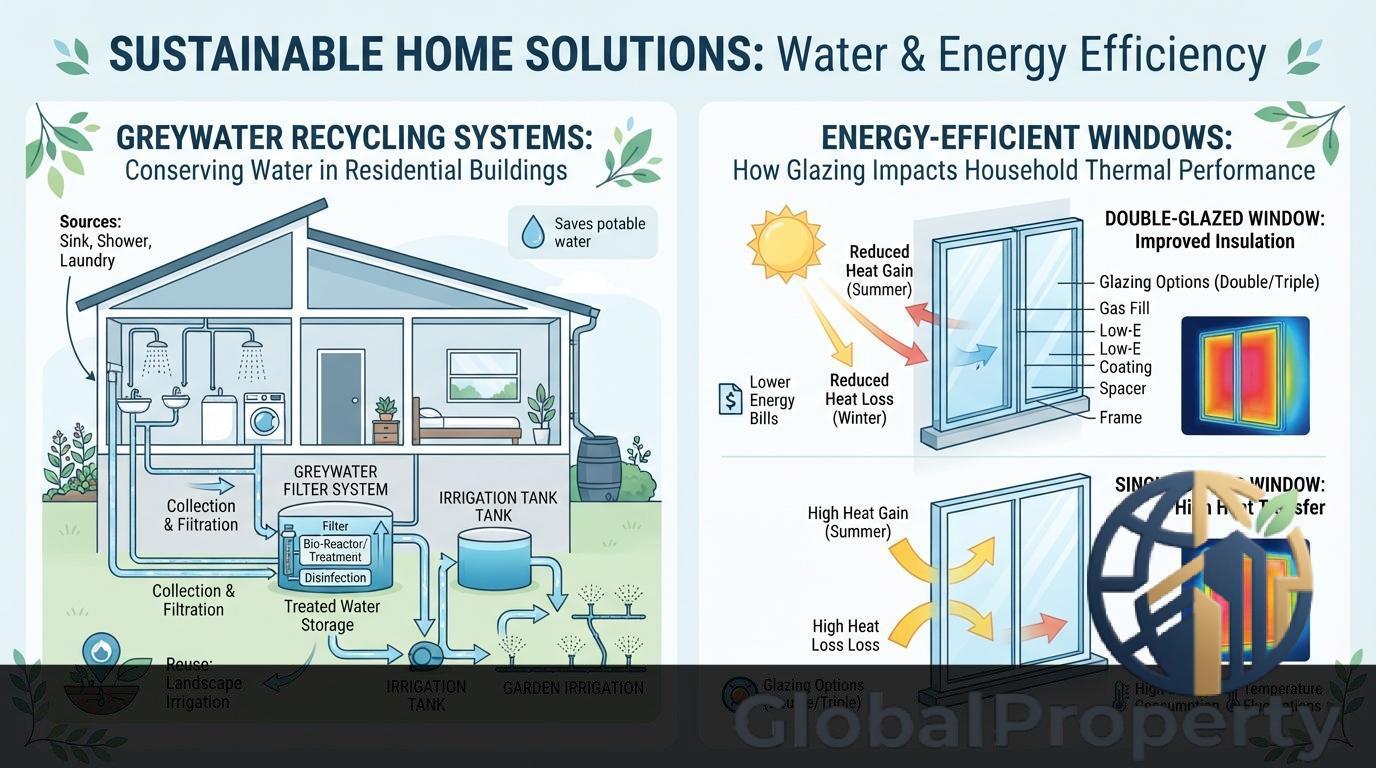
When it comes to energy-efficient windows, the type of window glazing plays a crucial role in determining their thermal performance. Common types of window glazing include single-pane, double-pane, and triple-pane windows. Single-pane windows, while the most affordable option, offer the least insulation and are prone to energy loss. Double-pane windows, on the other hand, consist of two panes of glass with a space in between filled with insulating gas, providing better thermal efficiency compared to single-pane windows. Triple-pane windows take it a step further by adding a third pane of glass, further enhancing energy efficiency and sound insulation.
Factors Affecting Thermal Performance
Several factors influence the thermal performance of energy-efficient windows. The material used for the window frame, such as vinyl, wood, or aluminum, can impact insulation levels. Additionally, the type of window glazing, as discussed earlier, plays a significant role in reducing heat transfer. Proper installation and sealing are crucial to prevent air leakage, which can reduce the overall energy efficiency of the windows. Factors like solar heat gain coefficient (SHGC) and U-factor also contribute to the overall thermal performance of energy-efficient windows, making them a valuable investment for both residential and commercial buildings.

Importance of Energy-Efficient Windows
Energy-efficient windows play a crucial role in enhancing the sustainability and efficiency of buildings. By minimizing heat transfer and air leakage, these windows help reduce energy consumption for heating and cooling, leading to lower utility bills and a smaller carbon footprint. Additionally, energy-efficient windows contribute to a more comfortable indoor environment by maintaining consistent temperatures and reducing drafts. Their impact goes beyond cost savings, as they also improve the overall value and appeal of a property. Investing in energy-efficient windows is a smart decision for both homeowners and businesses looking to increase energy efficiency and decrease environmental impact.
Factors Affecting Thermal Performance
Several factors influence the thermal performance of windows, affecting their ability to regulate heat transfer and improve energy efficiency. Key factors include the type of framing material, the number of panes, the presence of low-emissivity coatings, and the quality of the window installation. Properly insulated frames and glazing, along with effective seals, are essential for minimizing heat loss or gain. Understanding these factors is crucial when selecting energy-efficient windows to ensure optimal thermal performance and long-term energy savings. By considering these factors, homeowners and building owners can make informed decisions to enhance the energy efficiency of their properties.
Benefits of Energy-Efficient Windows
Energy-efficient windows offer numerous advantages for homeowners and businesses alike. One of the primary benefits is reduced energy consumption, leading to lower utility bills. By minimizing heat transfer through windows, these energy-efficient options help maintain a comfortable indoor temperature year-round, reducing the need for excessive heating or cooling. Additionally, energy-efficient windows can enhance the overall sustainability of a building, contributing to a smaller carbon footprint. Improved insulation provided by these windows can also enhance indoor comfort levels, reducing drafts and cold spots near windows, creating a more pleasant living or working environment.
Case Studies and Examples
Real-life examples of the benefits of energy-efficient windows showcase their impact on both residential and commercial properties. In a recent case study, a homeowner reported a significant decrease in their monthly energy bills after upgrading to energy-efficient windows. This not only resulted in cost savings over time but also improved the overall energy efficiency of the home. Similarly, a commercial building retrofit with energy-efficient glazing saw a dramatic reduction in heating and cooling costs, demonstrating the long-term financial benefits of such upgrades. These case studies highlight the tangible advantages of investing in energy-efficient windows for both short-term savings and long-term sustainability.
Case Studies and Examples
Looking at real-life examples of energy-efficient windows in action can provide valuable insights into their effectiveness. One such case study involves a residential building in a cold climate that saw a significant decrease in heating costs after installing energy-efficient windows. The improved thermal performance of these windows helped maintain a comfortable indoor temperature, reducing the need for constant heating.
Another example is a commercial office building that upgraded to energy-efficient windows to enhance occupant comfort and reduce energy consumption. The new windows not only improved insulation but also helped in soundproofing, creating a more pleasant work environment. These case studies demonstrate the tangible benefits of investing in energy-efficient windows for both residential and commercial properties.
Conclusion
Energy-efficient windows are a crucial component of sustainable and cost-effective building design. By investing in high-quality windows that offer superior thermal performance, homeowners and businesses can significantly reduce energy consumption and lower utility bills. Additionally, energy-efficient windows contribute to a more comfortable indoor environment by minimizing heat loss during colder months and reducing heat gain in warmer seasons.
Overall, the benefits of energy-efficient windows extend beyond financial savings, as they also help reduce carbon emissions and promote environmental sustainability. As technology continues to advance, the availability of innovative window glazing options and design solutions will further enhance the energy efficiency of buildings, making it easier for individuals and organizations to make eco-friendly choices for their properties.