
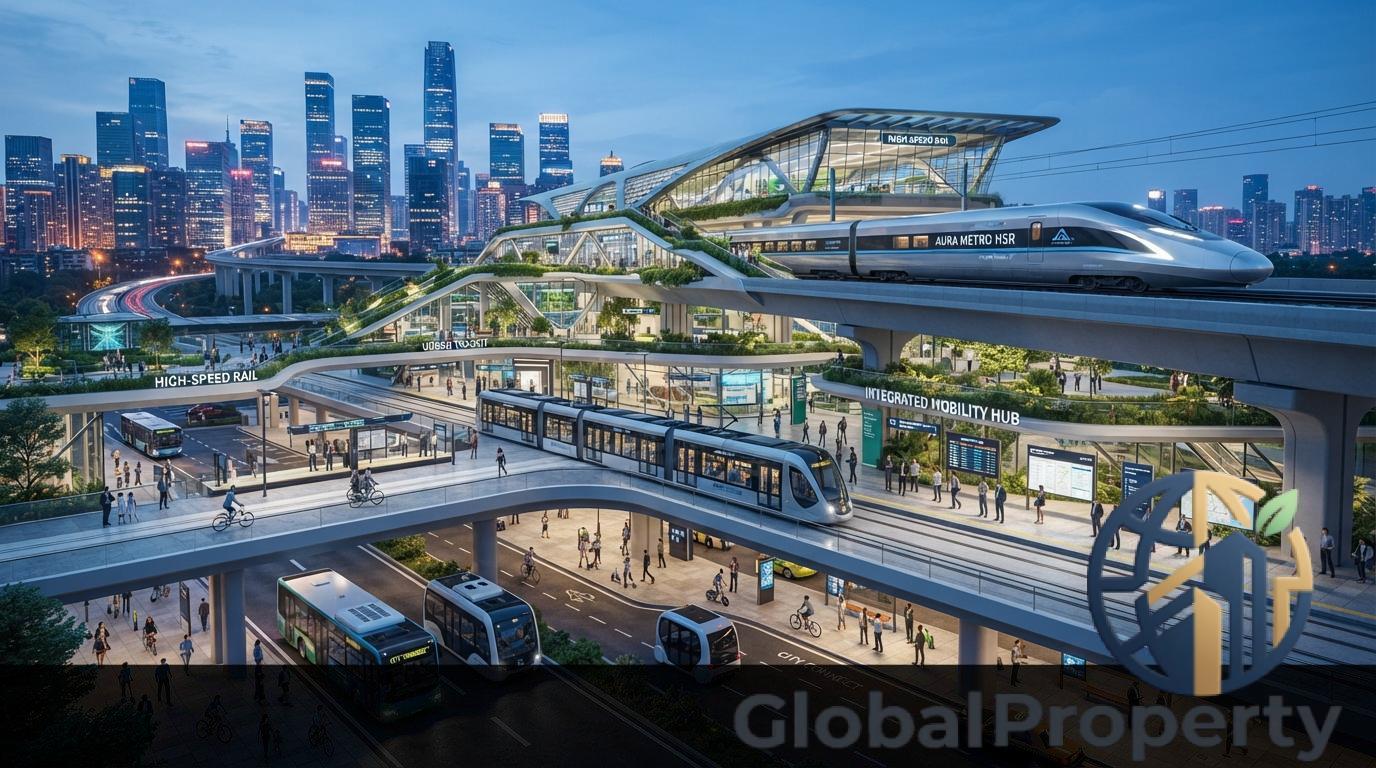
Are you tired of spending hours stuck in traffic jams, feeling the stress build up as you inch your way to work or home? The core problem we face today is the inefficiency and congestion of traditional transportation systems in our cities. As urban populations continue to grow, the need for a smarter, faster, and more sustainable mass transit solution becomes increasingly urgent. This is where the concept of integrating high-speed rail with urban mobility comes into play, promising a revolution in how we move around our cities.
Imagine the frustration of being late for an important meeting because your usual commute was delayed once again. The consequences of not addressing the current challenges in mass transit are dire – increased pollution, wasted time, and decreased quality of life for urban dwellers. As more cars hit the roads, our environment suffers, and our productivity dwindles. The status quo is no longer sustainable, and we must look towards innovative solutions to transform the way we travel within and between cities.
Enter the future of mass transit: a seamless integration of high-speed rail networks with local urban transportation systems. By connecting major cities with high-speed rail lines and providing efficient last-mile solutions within urban centers, we can create a comprehensive and sustainable transportation network that benefits everyone. This visionary approach not only reduces travel times and carbon emissions but also enhances connectivity and accessibility for all. Get ready to embrace a new era of mobility where speed, efficiency, and environmental consciousness converge to shape the future of transportation.
Benefits of High-Speed Rail
Increased Efficiency: High-speed rail systems offer a faster and more efficient mode of transportation compared to traditional rail or road networks. This results in reduced travel times, making it an attractive option for commuters and travelers alike.
Environmental Sustainability: High-speed rail helps reduce carbon emissions by providing a greener alternative to air travel and individual car journeys. By encouraging more people to use public transportation, it contributes to the overall goal of reducing the carbon footprint of the transportation sector.
Challenges in Implementing High-Speed Rail
High Initial Costs: The construction of high-speed rail infrastructure requires significant investment, which can be a barrier to implementation. Securing funding and overcoming financial challenges are key hurdles that need to be addressed to successfully introduce high-speed rail systems.
Political and Regulatory Obstacles: Implementing high-speed rail projects often involves navigating complex political landscapes and regulatory frameworks. Collaboration between various stakeholders, including government agencies, private companies, and local communities, is essential to overcome these challenges and ensure the successful development of high-speed rail networks.
Challenges in Implementing High-Speed Rail
Implementing high-speed rail systems presents several challenges that need to be addressed for successful execution. One major obstacle is securing sufficient funding for the high initial investment required to develop the infrastructure and technology necessary for high-speed trains. Government support and public-private partnerships are crucial in overcoming this financial hurdle.
Additionally, regulatory and legal complexities, as well as political considerations, can delay the implementation of high-speed rail projects. Balancing the interests of various stakeholders, such as local communities, environmental groups, and transportation authorities, is essential to navigate these challenges and ensure the smooth development of high-speed rail networks.
Urban Mobility Solutions
High-speed rail systems offer significant benefits in improving urban mobility by providing a fast, efficient, and environmentally friendly mode of transportation. By connecting major cities and urban centers, high-speed trains can reduce travel times, alleviate traffic congestion, and offer a convenient alternative to air travel for short to medium-distance journeys.
Furthermore, integrating high-speed rail with existing public transportation networks can enhance overall urban mobility solutions, promoting sustainable urban development and reducing reliance on private cars. By offering seamless connections between different modes of transportation, high-speed rail can contribute to creating more accessible and interconnected urban environments for residents and visitors alike.
Benefits of High-Speed Rail
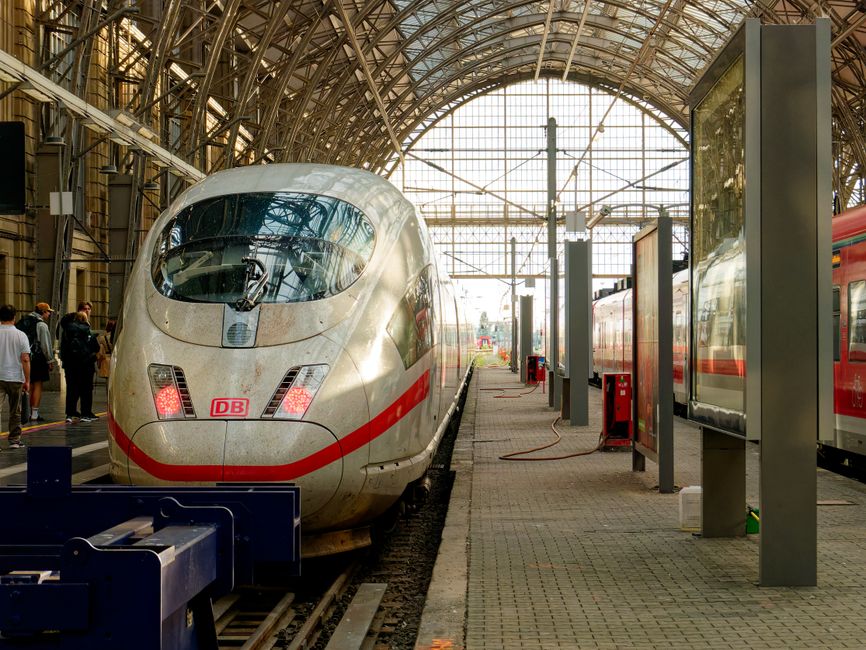
High-speed rail systems offer numerous benefits for both passengers and the environment. Firstly, they provide a faster and more efficient mode of transportation, reducing travel times significantly compared to traditional rail or road networks. This not only improves overall connectivity but also enhances regional economic development by facilitating easier access to different areas. Additionally, high-speed rail is considered a more sustainable transportation option as it helps reduce greenhouse gas emissions and reliance on fossil fuels. By promoting mass transit and reducing the number of private vehicles on the road, high-speed rail systems contribute to a cleaner and greener environment.
Challenges in Implementing High-Speed Rail
Despite the benefits, implementing high-speed rail systems comes with its own set of challenges. One major obstacle is the high initial investment required for infrastructure development and technology integration. Securing funding and navigating complex regulatory frameworks can also pose significant hurdles. Furthermore, addressing public perception and concerns, such as safety issues and disruptions during construction, is crucial for successful implementation. Additionally, coordinating between various stakeholders, including government agencies, private companies, and local communities, can be a challenging task. Overcoming these challenges requires strategic planning, collaboration, and a long-term vision for sustainable high-speed rail projects.
Urban Mobility Solutions
Urban mobility solutions play a key role in addressing the growing transportation needs of modern cities. By integrating high-speed rail with existing urban transport networks, cities can create a seamless and efficient transit system. This integration not only improves connectivity between different regions but also enhances accessibility within urban areas. Implementing smart technologies, such as real-time scheduling and ticketing systems, can further optimize urban mobility solutions. Additionally, promoting multi-modal transportation options, including bike-sharing programs and electric scooters, can help reduce congestion and enhance overall urban mobility. By prioritizing sustainable and efficient transportation solutions, cities can create more livable and environmentally friendly urban environments.
Integration of High-Speed Rail and Urban Mobility
High-speed rail systems can significantly enhance urban mobility by providing fast, efficient, and sustainable transportation options within cities and between urban centers. By seamlessly integrating high-speed rail with existing urban transit networks, cities can create a comprehensive and interconnected transportation ecosystem that reduces congestion, improves air quality, and enhances overall quality of life for residents. High-speed rail stations located strategically within urban areas can serve as hubs that connect various modes of transportation, such as buses, trams, subways, and bike-sharing systems, offering passengers seamless multimodal connectivity.
Enhancing Connectivity and Accessibility
The integration of high-speed rail with urban mobility solutions can transform the way people travel, making it easier and more convenient to move around cities and regions. By linking high-speed rail stations with key urban destinations, such as business districts, cultural centers, and residential areas, cities can promote sustainable travel behaviors and reduce reliance on private cars. This integrated approach not only improves accessibility for residents and visitors but also fosters economic development, tourism, and environmental sustainability in urban areas.
Case Studies
Case studies play a crucial role in showcasing the real-world impact of high-speed rail projects. By analyzing successful implementations in various regions, we can draw valuable insights for future initiatives. One such case study is the Shinkansen in Japan, known for its punctuality, safety, and efficiency. This iconic high-speed rail system has transformed Japan’s transportation landscape, connecting major cities and driving economic growth.
Another noteworthy example is the TGV in France, demonstrating how high-speed rail can enhance connectivity within Europe. The TGV network has not only reduced travel times between cities but also contributed to sustainable transportation practices. These case studies highlight the transformative power of high-speed rail and serve as inspiration for countries looking to improve their urban mobility infrastructure.
Conclusion
High-speed rail presents a promising solution to enhance urban mobility and connectivity, offering numerous benefits such as reducing travel time, congestion, and carbon emissions. However, the successful implementation of high-speed rail systems requires overcoming significant challenges, including high initial costs, complex infrastructure development, and regulatory hurdles. By integrating high-speed rail with existing urban mobility solutions, cities can create more efficient and sustainable transportation networks that cater to the needs of their growing populations. Through case studies and real-world examples, we have seen how high-speed rail projects can transform urban transportation landscapes and drive economic growth. In conclusion, the future of high-speed rail holds immense potential for revolutionizing urban mobility and shaping the way we travel in the years to come.