
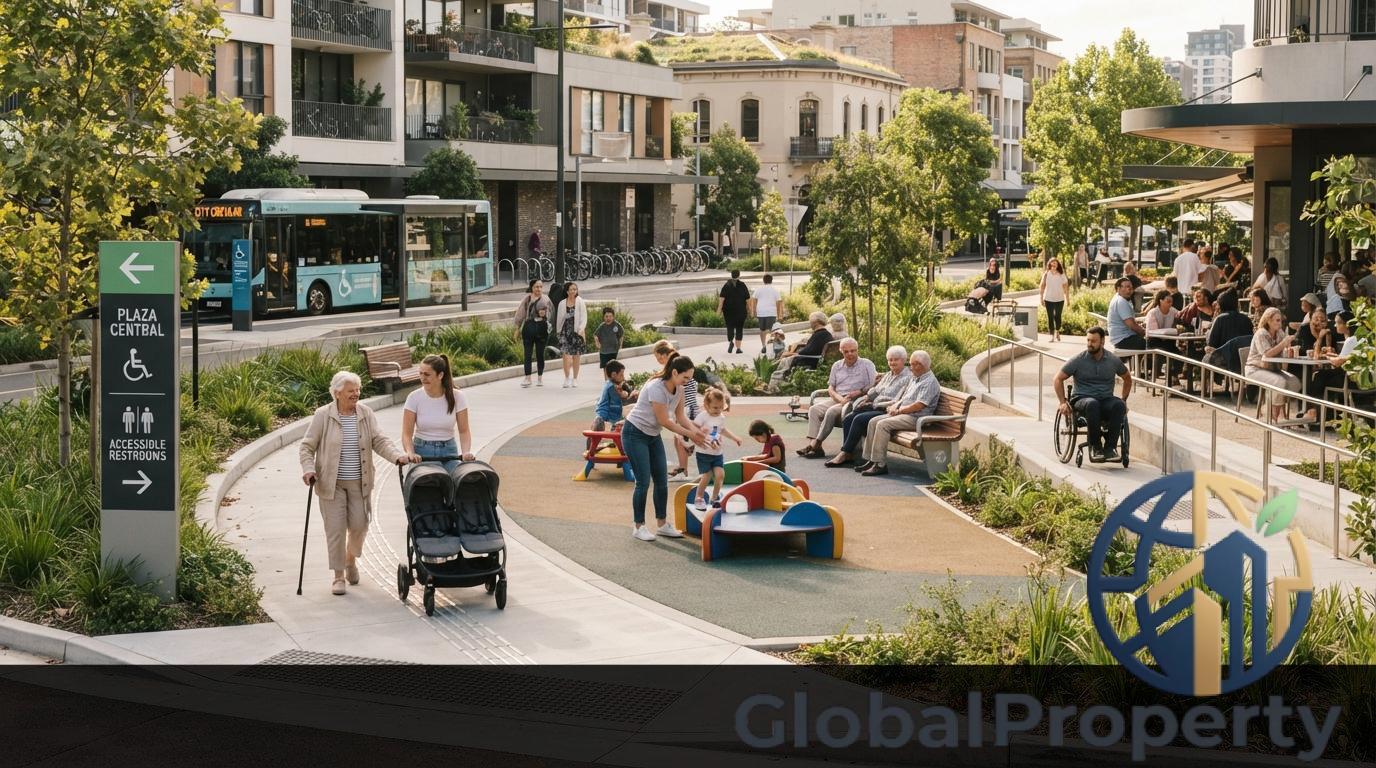
Imagine navigating through a city filled with architectural barriers that hinder your movement at every turn. This scenario is all too common for individuals of different generations who face challenges in accessing urban spaces designed without their needs in mind. The problem lies in the lack of inclusive urban design, which fails to consider the diverse abilities and requirements of all city dwellers. From young children to the elderly, everyone deserves a city that is welcoming and accessible.
Now, picture the frustration of an elderly person struggling to climb stairs to reach a subway station, only to find there are no escalators or elevators in sight. The consequences of such inaccessible urban design are far-reaching, leading to social exclusion, limited mobility, and a diminished quality of life for many individuals. The failure to address these issues not only affects the physical well-being of residents but also creates a barrier to social participation and economic opportunities.
The solution lies in embracing inclusive urban design principles that prioritize the needs of all generations. By incorporating features such as ramps, tactile paving, accessible public transportation, and age-friendly infrastructure, cities can become vibrant and inclusive spaces where everyone can thrive. Let’s delve deeper into how we can transform our urban landscapes to ensure they are accessible for all generations, fostering a sense of belonging and community for everyone.
Importance of Inclusive Urban Design
Urban design plays a crucial role in creating cities and communities that are accessible and inclusive for individuals of all ages, abilities, and backgrounds. Inclusive urban design goes beyond physical infrastructure to encompass social, economic, and environmental factors that impact the well-being of residents. It ensures that public spaces, transportation systems, housing, and services are designed to be usable by everyone, regardless of their physical or cognitive limitations. By prioritizing inclusivity in urban design, cities can foster a sense of belonging, promote social cohesion, and enhance the quality of life for all residents.
Challenges in Urban Design for All Generations
Designing urban spaces that cater to the diverse needs of multiple generations poses unique challenges for urban planners and designers. With an aging population and increasing urbanization, there is a growing demand for age-friendly infrastructure and services. Balancing the needs of children, adults, seniors, and individuals with disabilities requires careful consideration of factors such as accessibility, safety, connectivity, and social interaction. Overcoming these challenges requires a holistic approach that takes into account the varying needs and preferences of different age groups, ensuring that urban environments are welcoming and functional for everyone.
Importance of Inclusive Urban Design
Inclusive urban design plays a crucial role in creating cities that are accessible and welcoming for all individuals, regardless of age, ability, or background. By incorporating universal design principles, such as barrier-free access, clear signage, and diverse public spaces, cities can ensure that everyone can navigate and enjoy the urban environment comfortably and safely. Inclusive urban design not only promotes social equity and inclusivity but also fosters economic growth and sustainability by attracting a diverse range of residents, visitors, and businesses.
Challenges in Urban Design for All Generations
Designing urban spaces that cater to the needs of all generations poses several challenges, including accommodating varying mobility levels, addressing diverse cultural preferences, and ensuring equal access to amenities and services. Additionally, rapid urbanization and demographic shifts present challenges in creating inclusive environments that can adapt to changing population dynamics. It is essential for urban designers to consider the unique needs and preferences of different age groups, from children and adolescents to older adults, in order to create truly inclusive and age-friendly cities.
Importance of Inclusive Urban Design
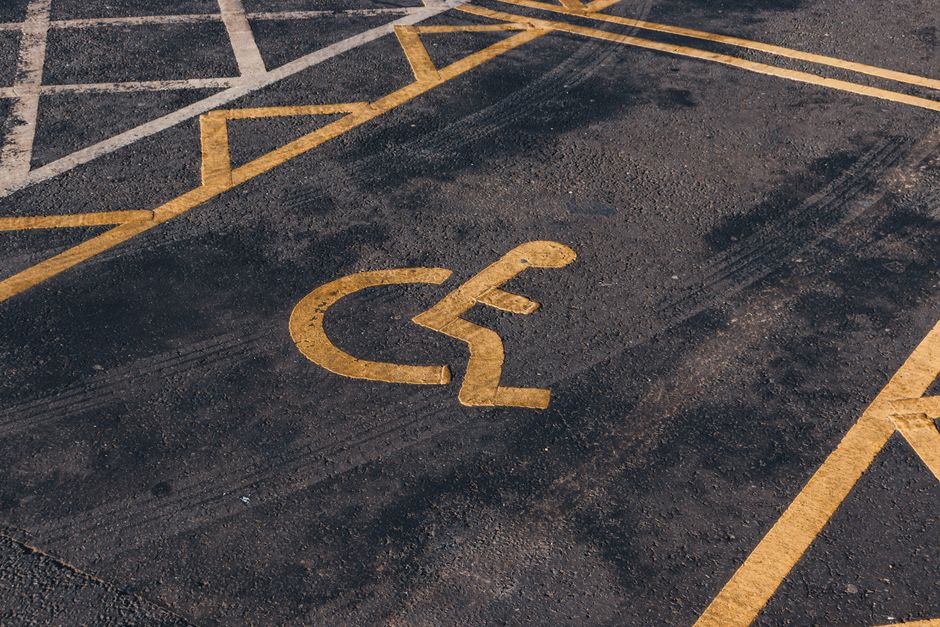
Urban design plays a critical role in shaping the way people interact with their environment, and inclusive urban design goes a step further by ensuring that all individuals, regardless of age, ability, or background, can access and navigate public spaces with ease. It is essential to create environments that are not only aesthetically pleasing but also functional and accessible to everyone. Inclusive urban design fosters a sense of community, improves quality of life, and promotes social inclusion by accommodating diverse needs and preferences.
Challenges in Urban Design for All Generations
Designing urban spaces that cater to the needs of all generations poses unique challenges, as different age groups may have varying requirements and preferences. From ensuring accessibility for elderly individuals to creating engaging spaces for children and teenagers, urban designers must consider a wide range of factors to promote inclusivity. Balancing the needs of different generations while maintaining a cohesive and harmonious urban environment can be a complex task that requires careful planning and collaboration among stakeholders.
Strategies for Achieving Inclusive Urban Design
Creating inclusive urban environments requires a multidisciplinary approach that integrates principles of universal design, accessibility, and social equity. Incorporating features such as barrier-free pathways, accessible public transportation, inclusive playgrounds, and sensory-friendly spaces can enhance the overall inclusivity of urban design projects. Engaging with diverse communities, conducting thorough research on user needs, and prioritizing user feedback are essential strategies for ensuring that urban spaces are welcoming and accommodating to people of all ages and abilities.
Case Studies of Successful Inclusive Urban Design Projects
Urban design projects that successfully prioritize inclusivity serve as shining examples of how cities can be transformed to cater to the diverse needs of their inhabitants. These case studies showcase innovative solutions that address accessibility, safety, and usability for people of all ages and abilities. For instance, the High Line in New York City has been lauded for its adaptive reuse of an old elevated railway into a vibrant public park that is accessible to everyone, regardless of mobility limitations.
Similarly, the Vauban District in Freiburg, Germany, is renowned for its sustainable and inclusive design features such as car-free streets, green spaces, and mixed-use development, creating a community where residents can live, work, and play without barriers. By examining these successful projects, urban planners and designers can gain valuable insights into how to create environments that promote equality, diversity, and social cohesion.
Future Trends in Urban Design for Accessibility
The future of urban design is increasingly focused on enhancing accessibility for all individuals, regardless of age, physical abilities, or socioeconomic status. As cities grow and evolve, there is a growing recognition of the importance of creating environments that are inclusive and welcoming to everyone. Future trends in urban design for accessibility include the implementation of universal design principles, the use of technology to improve navigation and communication, and the promotion of sustainable and resilient infrastructure.
Furthermore, there is a shift towards creating pedestrian-friendly spaces, promoting active transportation, and integrating nature into the urban fabric to enhance the well-being of residents. By embracing these future trends and prioritizing accessibility in urban design, cities can create more livable, equitable, and resilient environments that benefit all members of society.
Future Trends in Urban Design for Accessibility
As urban areas continue to evolve and grow, the importance of accessibility in urban design becomes increasingly critical. Future trends in urban design are focused on creating inclusive environments that cater to all individuals, regardless of age, ability, or background. These trends emphasize the integration of technology, sustainable practices, and community engagement to enhance accessibility and improve quality of life for residents.
Smart city initiatives are at the forefront of future urban design trends, with a focus on utilizing technology to improve accessibility. From smart transportation systems to digital wayfinding tools, cities are leveraging data and innovation to create more inclusive environments. Additionally, sustainable design practices are being integrated into urban planning to promote environmental stewardship and create healthier communities. Future urban design for accessibility is about creating vibrant, livable spaces that prioritize the needs of all individuals, ensuring that urban areas remain inclusive and welcoming for generations to come.
Conclusion
Urban design plays a crucial role in creating inclusive and accessible environments for all individuals, regardless of age, ability, or background. By focusing on designing cities and communities that cater to the diverse needs of their residents, we can foster a more equitable and sustainable society. Embracing inclusive urban design not only enhances the quality of life for current generations but also sets a strong foundation for future developments. As we continue to address the challenges and opportunities in urban design, it is imperative to prioritize accessibility, inclusivity, and sustainability in all aspects of planning and development. By working collaboratively and innovatively, we can create urban spaces that are welcoming, functional, and enriching for everyone.