
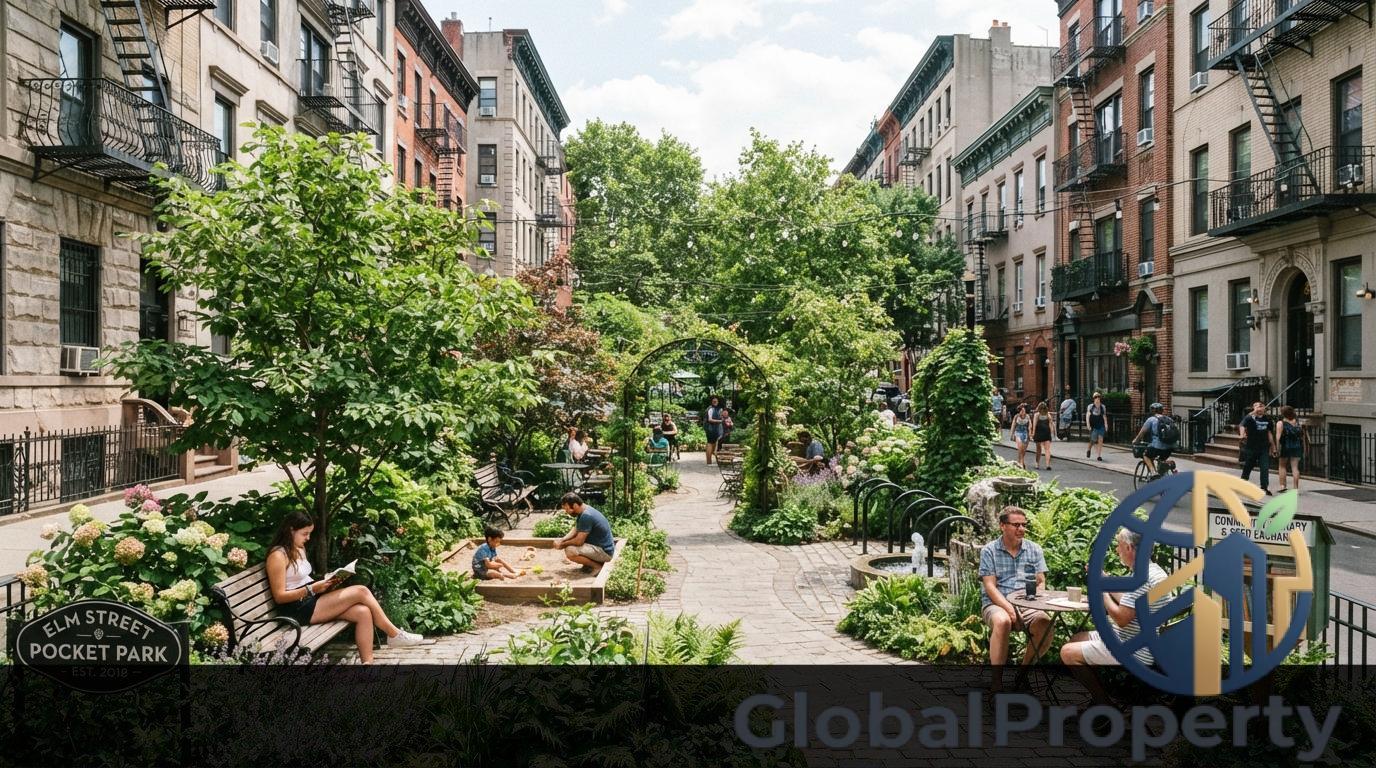
Ever found yourself yearning for a moment of tranquility amidst the hustle and bustle of city life? The concrete jungle of urban neighborhoods often lacks the refreshing touch of nature, leaving residents craving for green spaces to unwind and connect with the outdoors. This longing for a breath of fresh air is a common dilemma faced by many city dwellers, highlighting the pressing need for a solution that can seamlessly integrate nature into the urban landscape.
Picture this: you step out of your high-rise apartment building, greeted by a sea of grey buildings and honking cars, with no sight of greenery in sight. The lack of accessible parks and green spaces in densely populated urban areas not only impacts mental well-being but also contributes to environmental issues such as air pollution and heat island effect. The absence of these vital green lungs within city confines can lead to feelings of isolation, stress, and a disconnect from the natural world, ultimately affecting the overall quality of life for residents.
Enter pocket parks – the hidden gems that have the power to transform dense urban neighborhoods into vibrant, sustainable communities. These small-scale green spaces offer a sanctuary amidst the urban chaos, providing opportunities for relaxation, social interaction, and environmental benefits. By strategically designing and implementing pocket parks within city landscapes, we can create oases of greenery that not only enhance the aesthetics of the surroundings but also promote biodiversity, improve air quality, and foster a sense of community among residents. Join us on a journey to explore how these miniature havens are revolutionizing urban living and paving the way for a greener, healthier future right at our doorsteps.
Benefits of Pocket Parks
Pocket parks provide numerous benefits to urban communities. These small green spaces offer a retreat from the hustle and bustle of city life, providing a tranquil environment for relaxation and recreation. Pocket parks also contribute to improved mental health by offering a peaceful sanctuary in the midst of urban chaos. Additionally, these parks play a crucial role in enhancing the aesthetic appeal of neighborhoods, making them more attractive and inviting to residents and visitors alike.
Furthermore, pocket parks promote environmental sustainability by increasing green spaces in urban areas, which helps mitigate the urban heat island effect and improve air quality. These parks also support biodiversity by providing habitat for plants, insects, and small animals. Moreover, pocket parks can serve as important social spaces where communities come together, fostering a sense of belonging and connection among residents.
Community Engagement in Pocket Park Projects
Community engagement is essential for the success of pocket park projects. Involving local residents in the planning, design, and maintenance of these green spaces not only ensures that their needs and preferences are taken into account but also fosters a sense of ownership and pride within the community. By actively engaging with residents, stakeholders, and local organizations, pocket park projects can better reflect the unique character and identity of the surrounding neighborhood.
Engaging the community in pocket park projects also helps build social capital by creating opportunities for collaboration, communication, and shared decision-making. Community members can contribute valuable insights, skills, and resources to the project, leading to a more sustainable and inclusive park design. Ultimately, community engagement not only enhances the quality and functionality of pocket parks but also strengthens the social fabric of urban neighborhoods.
Benefits of Pocket Parks
Pocket parks offer numerous benefits to urban communities. These small green spaces provide a much-needed respite from the hustle and bustle of city life, allowing residents to relax and connect with nature without having to travel far. Pocket parks also contribute to improved mental health by offering a peaceful environment for meditation, exercise, or simply unwinding after a long day. Additionally, these parks help to increase property values in surrounding areas, making them desirable locations for both residents and businesses. Furthermore, pocket parks can enhance the overall aesthetic appeal of a neighborhood, creating a sense of pride and community among residents.
Design Principles for Pocket Parks
Effective design is crucial for the success of pocket parks. When planning the layout of a pocket park, factors such as accessibility, safety, and functionality must be carefully considered. Incorporating elements like seating areas, walking paths, and greenery can help create a welcoming and inviting space for visitors. Maximizing the use of natural light and selecting appropriate plant species are essential for maintaining a vibrant and sustainable environment. Furthermore, incorporating interactive features such as art installations or recreational amenities can enhance the overall user experience. A well-designed pocket park should aim to strike a balance between aesthetics, functionality, and environmental sustainability to create a harmonious urban oasis for all to enjoy.

Benefits of Pocket Parks
Pocket parks offer numerous benefits to urban communities, enhancing the quality of life for residents and visitors alike. These small green spaces provide a welcome respite from the hustle and bustle of city life, offering a peaceful retreat for relaxation and recreation. Pocket parks also contribute to improving air quality and providing habitat for local wildlife, promoting biodiversity within urban areas. Furthermore, these parks encourage physical activity, such as walking or jogging, promoting a healthier lifestyle among urban dwellers. Additionally, pocket parks can help reduce the urban heat island effect by providing shade and cooling effects in densely populated areas.
Case Studies of Successful Pocket Parks
Several successful pocket park projects around the world serve as inspiring examples of how these small green spaces can transform urban environments. For instance, the High Line in New York City repurposed an abandoned elevated railway into a vibrant linear park, attracting millions of visitors annually and revitalizing the surrounding neighborhood. In London, the King’s Cross Skip Garden showcases an innovative approach to urban agriculture within a small park setting, engaging the community in sustainable food production. Another notable example is Paley Park in Manhattan, known for its thoughtful design elements that create a serene oasis amidst the city’s skyscrapers. These case studies demonstrate the potential of pocket parks to enhance urban landscapes and foster community connections.
Challenges in Implementing Pocket Parks
Implementing pocket parks in urban environments comes with its own set of challenges that need to be carefully navigated. One significant challenge is the limited available space in densely populated areas, making it difficult to find suitable locations for these green spaces. Securing funding and resources for the development and maintenance of pocket parks can also be a hurdle, as these projects often compete with other urban development priorities.
Furthermore, community buy-in and support are essential for the success of pocket park initiatives. Ensuring that the local residents are involved in the planning and decision-making process can be challenging but is crucial for creating spaces that truly meet the needs of the community. Additionally, navigating regulatory requirements and obtaining necessary permits can be time-consuming and complex, adding another layer of challenge to the implementation of pocket parks.
Community Engagement in Pocket Park Projects
Effective community engagement is vital for the success and sustainability of pocket park projects. Engaging with local residents, businesses, and community organizations from the early stages of planning helps ensure that the park design reflects the needs and preferences of the community. Workshops, surveys, and public meetings can be valuable tools for gathering input and feedback from stakeholders.
Building strong partnerships with local community groups and organizations can also enhance community engagement efforts. Collaborating with schools, nonprofits, and local businesses can help create a sense of ownership and pride in the pocket park project. Involving community members in park maintenance and programming can further strengthen community bonds and promote a sense of belonging and stewardship.
Community Engagement in Pocket Park Projects
Community engagement plays a crucial role in the success of pocket park projects. By involving local residents, businesses, and organizations in the planning and implementation process, these projects can better reflect the needs and preferences of the community. This engagement can take many forms, such as holding community meetings, conducting surveys, or organizing volunteer clean-up days.
Benefits of Community Engagement
Community engagement fosters a sense of ownership and pride among residents, leading to increased utilization and maintenance of the pocket park. It also helps build a sense of community cohesion and social connections, which can contribute to overall well-being and quality of life in the neighborhood.
Community Engagement in Pocket Park Projects
Community engagement in pocket park projects plays a crucial role in ensuring the success and sustainability of these green spaces. By involving the local community in the planning, design, and maintenance of pocket parks, a sense of ownership and pride is fostered among residents. This can lead to increased utilization and appreciation of the park, contributing to its overall success.
Engagement strategies may include public consultations, workshops, and volunteer programs that allow community members to provide input, ideas, and labor towards the development of the park. Building partnerships with local organizations, businesses, and schools can also enhance community involvement and support for the project. Ultimately, by actively engaging the community throughout the process, pocket parks can better meet the needs and preferences of the people they are intended to serve.
Conclusion
In conclusion, pocket parks offer numerous benefits to urban areas, from providing green spaces for relaxation and recreation to improving air quality and biodiversity. By adhering to design principles that maximize functionality and aesthetics, as seen in successful case studies, pocket parks can become valuable assets in cities. However, challenges such as limited space and funding constraints need to be addressed creatively to implement these parks effectively. Through robust community engagement efforts, residents can be empowered to participate in the creation and maintenance of pocket parks, ensuring their long-term success and integration into the urban landscape.