

Are you tired of endlessly circling the city streets, hunting for a parking spot like a modern-day urban treasure hunter? The struggle to find convenient parking in bustling city centers is a universal headache that many of us can relate to. As our cities grow denser and more populated, the demand for parking spaces continues to skyrocket, leading to congestion, frustration, and wasted time. But what if there was a solution that could revolutionize the way we think about urban parking demands?
Imagine the aggravation of being late for an important meeting because you couldn’t find a parking spot near your destination. Picture the stress of having to pay exorbitant parking fees or risking a ticket just to secure a place for your vehicle. The daily grind of battling for a coveted parking space can take a toll on your mental well-being and productivity, adding unnecessary layers of complexity to your already hectic urban lifestyle.
Enter shared mobility services – the innovative solution that promises to transform the urban parking landscape as we know it. By embracing shared transportation options such as ride-sharing, bike-sharing, and car-sharing, cities can alleviate parking shortages, reduce traffic congestion, and create a more sustainable urban environment for everyone. Join us on a journey to explore the profound impact of shared mobility services on urban parking demands, and discover a future where finding a parking spot is no longer a daunting quest but a seamless part of your daily routine. Get ready to unlock the key to stress-free urban mobility!
Urban Parking Challenges
Urban parking challenges are a growing concern in cities worldwide due to increasing population density and limited space. The scarcity of parking spots leads to congestion, pollution, and frustration among drivers. Finding an available parking space can be time-consuming and stressful, resulting in wasted fuel and increased carbon emissions. Additionally, the high demand for parking in urban areas often leads to illegal parking, further exacerbating the problem. These challenges highlight the urgent need for innovative solutions to optimize urban parking management.
Shared Mobility Services Overview
Shared mobility services have emerged as a promising solution to urban parking challenges. These services, such as ride-sharing, bike-sharing, and car-sharing, provide convenient and cost-effective transportation options for urban residents. By promoting shared vehicle use, these services help reduce the overall number of cars on the road, leading to decreased parking demand. Shared mobility also promotes sustainable transportation practices, contributing to lower emissions and improved air quality in urban areas. As the popularity of shared mobility services continues to grow, cities are exploring ways to integrate these options into their transportation systems to address urban parking issues effectively.
Shared Mobility Services Overview
Shared mobility services encompass a range of transportation options that are shared among users, aiming to provide convenient and sustainable urban mobility solutions. These services include ride-hailing, bike-sharing, car-sharing, and scooter-sharing, among others. By leveraging technology and innovative business models, shared mobility services offer an alternative to traditional private car ownership, promoting efficient use of resources and reducing traffic congestion in urban areas.
Effects of Shared Mobility on Parking Demands
The rise of shared mobility services has had a significant impact on parking demands in urban areas. With the increased availability of on-demand transportation options, individuals are less reliant on personal vehicles, leading to a potential decrease in the need for parking spaces. However, the introduction of shared mobility services also brings new challenges, such as designated pick-up and drop-off zones, which may require adjustments in urban planning and parking management strategies to ensure efficient use of limited parking resources.
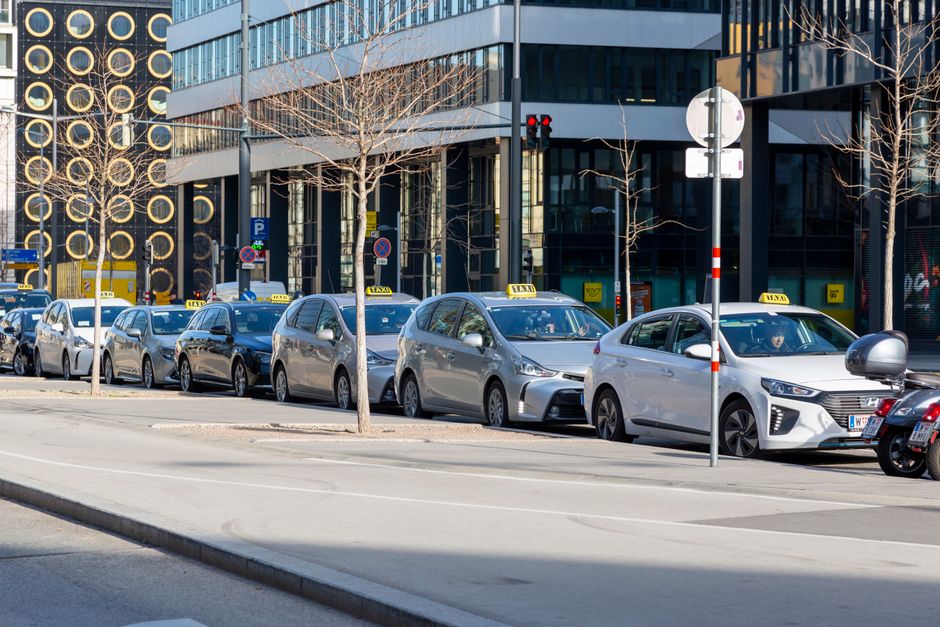
Effects of Shared Mobility on Parking Demands
Shared mobility services have significantly impacted urban parking demands by reducing the need for personal vehicle ownership and traditional parking spaces. With the rise of ride-sharing, car-sharing, and bike-sharing, there has been a shift towards a more efficient use of existing parking resources. This decrease in parking demand has the potential to free up valuable urban space for alternative uses such as green areas, pedestrian zones, or commercial developments.
Impact on Parking Utilization
The utilization of parking spaces has been optimized through shared mobility services, leading to reduced congestion and more efficient parking management. By encouraging shared rides and promoting multi-modal transportation options, cities can experience a decrease in the overall number of vehicles on the road, resulting in less traffic and lower parking demand. This shift towards shared mobility not only benefits urban residents by offering convenient transportation alternatives but also contributes to a more sustainable and environmentally friendly urban environment.
Effects of Shared Mobility on Parking Demands
Shared mobility services have significantly impacted parking demands in urban areas. With the rise of ride-sharing and car-sharing platforms, fewer people are opting to own personal vehicles, leading to reduced parking space requirements. This shift has resulted in decreased traffic congestion, improved air quality, and optimized land use in cities. However, challenges arise as shared mobility services increase in popularity, such as designated pick-up and drop-off zones causing congestion in certain areas. Cities must adapt their parking policies and infrastructure to accommodate the changing transportation landscape brought about by shared mobility.
Case Studies of Shared Mobility Impact
Case Study 1: City X
City X implemented a pilot project partnering with a car-sharing service to provide residents with easy access to shared vehicles. The initiative resulted in a 20% decrease in personal vehicle ownership and a noticeable reduction in on-street parking demand. The city also saw an increase in the utilization of public transportation, further alleviating parking pressure in congested areas.
Case Study 2: City Y
In City Y, the introduction of bike-sharing programs led to a decrease in the number of short-distance trips taken by cars. This shift not only reduced parking requirements but also promoted a healthier and more environmentally friendly mode of transportation. City Y’s success in integrating shared mobility options into its urban planning serves as a model for other municipalities looking to address parking challenges sustainably.
Strategies for Managing Urban Parking with Shared Mobility
Implementing dynamic pricing: One effective strategy for managing urban parking with shared mobility is implementing dynamic pricing based on demand. By adjusting parking rates in real-time according to demand levels, cities can optimize parking utilization and reduce congestion. This approach incentivizes drivers to make more informed decisions, such as choosing alternative transportation modes or off-peak parking times.
Promoting multimodal transportation: Encouraging a shift towards multimodal transportation options can help alleviate parking challenges in urban areas. Integrating shared mobility services with public transit systems and providing infrastructure for walking and cycling can reduce the reliance on private vehicles, thereby freeing up parking spaces for those who truly need them. Municipalities can also consider offering incentives for using multiple transportation modes to further discourage single-occupancy vehicle use.
Conclusion
Shared mobility services have emerged as a transformative solution to urban parking challenges, offering alternative modes of transportation that reduce the need for personal vehicle ownership and parking spaces. As cities continue to grow and face increasing congestion and environmental concerns, integrating shared mobility into urban planning becomes essential for sustainable development. By leveraging technology and innovative business models, shared mobility providers are reshaping the way people move around cities, promoting efficiency, convenience, and environmental sustainability.
In conclusion, the adoption of shared mobility has the potential to significantly impact urban parking demands, leading to optimized land use and reduced reliance on traditional parking infrastructure. As cities adapt to these changes, policymakers, urban planners, and transportation stakeholders must work together to implement strategies that accommodate the evolving mobility landscape while addressing the ongoing challenges of urban parking management. Embracing shared mobility as a key component of urban transportation systems can pave the way for more efficient, accessible, and sustainable cities in the future.