
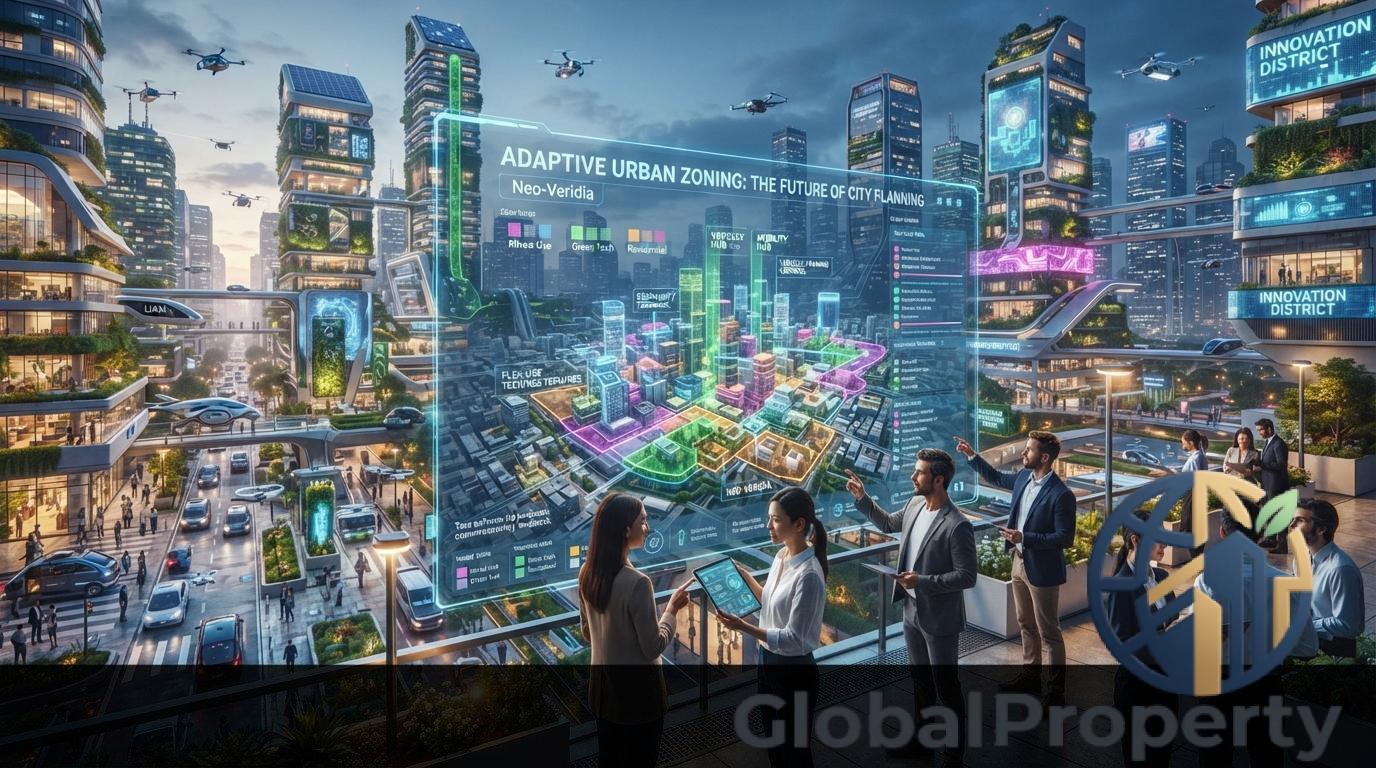
Imagine a bustling city, steeped in history yet brimming with innovation, where towering skyscrapers stand side by side with quaint historical buildings. This juxtaposition of the old and the new is a testament to the evolution of urban landscapes. However, beneath the surface of this dynamic urban tapestry lies a complex web of zoning laws that struggle to keep pace with the rapid technological advancements shaping our cities today.
As we hurtle towards an increasingly digital and interconnected future, the traditional framework of urban zoning laws is being put to the test. The core problem we face is the outdated nature of these regulations, which were designed for a different era and fail to address the unique challenges brought about by technologies such as autonomous vehicles, drones, and smart infrastructure. This mismatch between existing zoning laws and emerging technologies poses a significant barrier to the efficient and equitable development of our cities.
The solution to this pressing issue lies in reimagining and redefining urban zoning laws to align with the realities of the 21st century. By embracing a forward-thinking approach that integrates technology, sustainability, and community needs, we can pave the way for a more inclusive, resilient, and vibrant urban environment. Join us as we delve into the future of urban zoning laws in a rapidly changing technological era, exploring innovative solutions and envisioning a cityscape that is truly future-proof. Let’s embark on this transformative journey together towards creating cities that are not just smart, but also sustainable and socially equitable.
Impact of Technology on Urban Zoning Regulations
Urban zoning regulations are undergoing a significant transformation in response to advancements in technology. From the rise of smart buildings and IoT devices to the emergence of ride-sharing services and delivery drones, technology is reshaping the way cities are planned and managed. One of the key impacts of technology on urban zoning regulations is the need to accommodate mixed-use developments that integrate residential, commercial, and industrial spaces. This shift requires zoning laws to be more flexible and adaptable to new types of land use, promoting sustainable urban growth and efficient land utilization.
Adapting Zoning Laws to Accommodate Innovation in Urban Environments
As technology continues to drive innovation in urban environments, zoning laws must evolve to support and regulate these changes effectively. This adaptation involves not only updating traditional zoning categories but also incorporating new considerations such as data privacy, cybersecurity, and environmental sustainability into zoning regulations. To foster innovation and economic growth, cities need zoning laws that encourage the development of tech hubs, research centers, and creative clusters while ensuring compatibility with existing infrastructure and community needs. By proactively adapting zoning laws to accommodate innovation, cities can create a conducive environment for technological progress while maintaining a high quality of life for residents.
Smart Cities and the Evolution of Zoning Laws
Smart cities are revolutionizing the way urban areas are planned, developed, and managed. With the integration of advanced technologies such as IoT devices, sensors, and data analytics, urban zoning laws are facing a significant evolution. These technological advancements allow for real-time monitoring of urban environments, enabling more efficient use of resources and better decision-making in urban planning.
As smart cities continue to grow, zoning laws are adapting to accommodate the changing landscape. Zoning regulations are being updated to support the deployment of smart infrastructure, encourage sustainable practices, and ensure the safety and well-being of residents. This shift towards smart zoning laws is crucial in creating more livable, efficient, and resilient urban environments for future generations.
Legal Implications of Technological Advancements in Urban Planning
Technological advancements in urban planning have raised various legal implications that need to be addressed. The use of AI algorithms, big data analytics, and machine learning tools in urban zoning decisions can introduce bias or privacy concerns that may conflict with existing legal frameworks. It is essential for policymakers and legal experts to collaborate closely to ensure that zoning laws keep pace with technological innovations.
Moreover, the legal implications of new technologies extend to issues such as property rights, data ownership, and liability in case of technology failures. Balancing the benefits of technological advancements with legal considerations is key to fostering innovation while safeguarding the rights and interests of all stakeholders involved in urban planning and development.

Legal Implications of Technological Advancements in Urban Planning
Urban zoning laws are facing a significant transformation in the digital age due to rapid technological advancements. As cities embrace smart technologies and data-driven solutions, the legal implications for urban planning are becoming increasingly complex. One key challenge is ensuring that zoning regulations keep pace with innovations such as IoT devices, AI-powered systems, and autonomous vehicles.
Legal frameworks must evolve to address issues related to data privacy, cybersecurity, and the ethical use of technology in urban environments. Additionally, the integration of new technologies may raise concerns about equity, accessibility, and the potential for digital exclusion. It is crucial for policymakers and legal experts to proactively address these challenges to create a regulatory environment that fosters innovation while protecting the rights and well-being of urban residents.
Adapting Zoning Laws to Accommodate Innovation in Urban Environments
The evolution of technology is reshaping urban landscapes, requiring zoning laws to adapt in order to accommodate innovation and promote sustainable development. As new technologies enable mixed-use developments, shared mobility services, and renewable energy solutions, traditional zoning regulations may need to be revised to facilitate these changes.
Adapting zoning laws to embrace innovative practices can help cities address pressing challenges such as climate change, urban sprawl, and transportation congestion. By fostering a regulatory environment that encourages experimentation and collaboration between public and private stakeholders, cities can harness the potential of technology to create more livable, resilient, and equitable urban environments.
Adapting Zoning Laws to Accommodate Innovation in Urban Environments
Urban environments are constantly evolving, driven by technological advancements and innovative practices. As cities embrace new technologies and business models, traditional zoning laws are often inadequate to address these changes effectively. It is crucial for urban planners and policymakers to adapt zoning regulations to accommodate innovation while ensuring the well-being and sustainability of urban areas.
By revisiting and revising existing zoning laws, cities can create a more flexible framework that encourages experimentation and growth in various sectors such as transportation, housing, and infrastructure. This adaptability is essential to foster a dynamic urban environment that can thrive in the digital age. Embracing innovation in zoning laws can lead to more efficient land use, improved accessibility, and enhanced quality of life for urban residents.
Balancing Technological Progress with Urban Zoning Policies
The rapid pace of technological progress poses a significant challenge for urban zoning policies, which are often slow to adapt to emerging innovations. Balancing the benefits of new technologies with the need for appropriate regulations is essential to create sustainable and livable urban environments.
Urban planners must strike a delicate balance between promoting technological progress and safeguarding the public interest. By integrating smart technologies and data-driven solutions into zoning regulations, cities can enhance efficiency, safety, and sustainability. However, careful consideration must be given to issues of privacy, equity, and environmental impact to ensure that technological advancements benefit all residents and communities.
6. Balancing Technological Progress with Urban Zoning Policies
Urban zoning laws face the challenge of striking a delicate balance between embracing technological progress and maintaining the integrity of urban environments. As cities evolve into smart hubs of innovation, the need to update zoning regulations becomes increasingly evident. On one hand, technology brings about opportunities for sustainable development, efficient infrastructure, and enhanced quality of life. On the other hand, unchecked technological advancements can lead to issues such as privacy concerns, unequal access to resources, and disruption of community cohesion.
7. Future Trends in Urban Zoning Laws and Technology Integration
The future of urban zoning laws lies in the seamless integration of technology to create more adaptive and responsive urban environments. As smart city initiatives gain momentum, zoning regulations will likely incorporate data-driven decision-making processes, real-time monitoring systems, and predictive analytics. This integration will enable cities to better address challenges such as climate change, population growth, and resource management. Additionally, the rise of artificial intelligence and automation may require zoning laws to adapt to new forms of land use and transportation models, fostering a more sustainable and interconnected urban landscape.
Future Trends in Urban Zoning Laws and Technology Integration
Urban zoning laws have always played a crucial role in shaping our cities, but in the digital age, they face new challenges and opportunities. As technology continues to advance at a rapid pace, urban areas are transforming, leading to the need for innovative approaches to zoning regulations. The future of urban zoning laws will be intricately tied to the integration of technology, as cities strive to become smarter, more efficient, and sustainable.
Technological advancements such as artificial intelligence, Internet of Things (IoT), and data analytics are already influencing urban planning and development. These trends will likely continue to impact how cities are zoned, with a focus on creating more dynamic and flexible zoning regulations. As we look ahead, the integration of technology into urban zoning laws will be essential for ensuring that cities can adapt to the changing needs of their residents and businesses while promoting growth and innovation.