
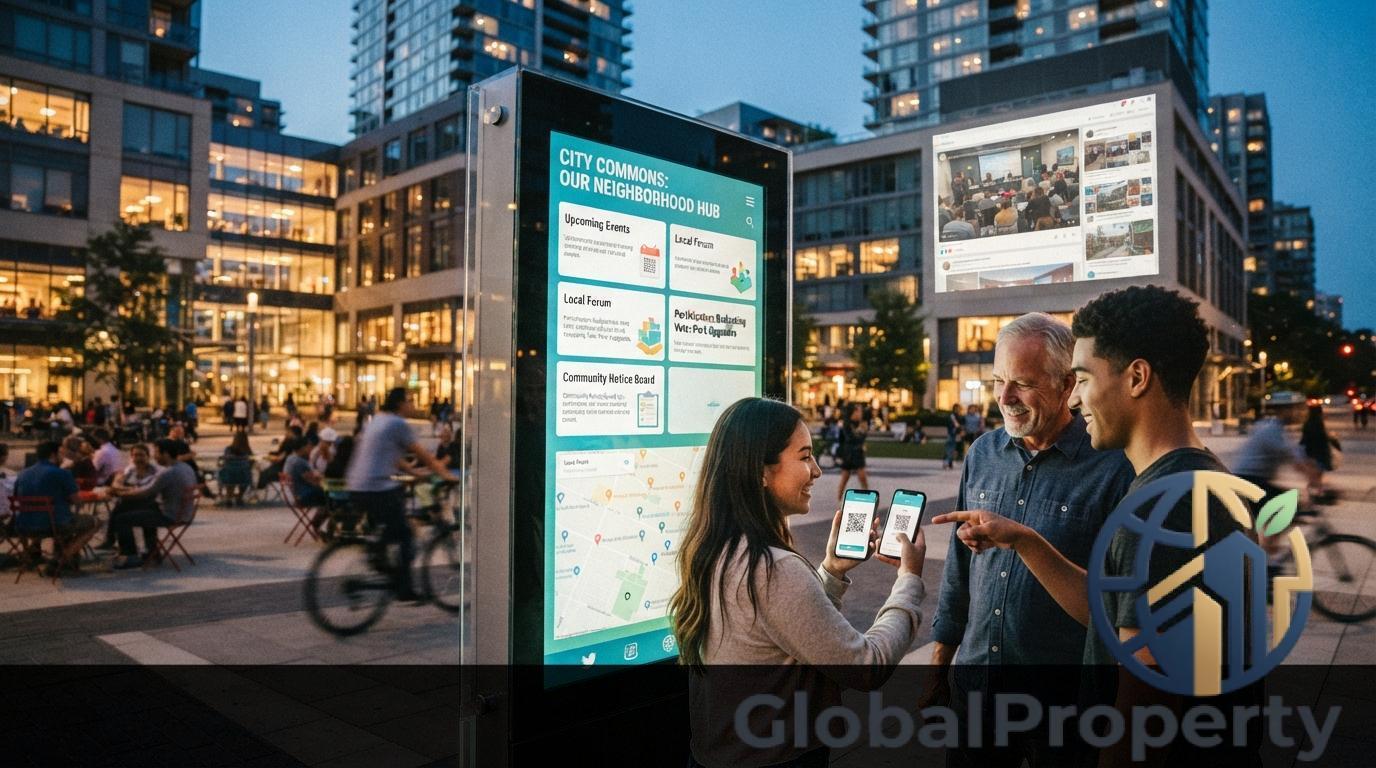
Are you feeling disconnected from your community in today’s fast-paced and digital-centric world? The core problem many urban dwellers face is the diminishing sense of belonging and connection within their neighborhoods. As our lives become increasingly intertwined with technology, traditional gathering places like public squares have taken a back seat, leaving us craving for meaningful interactions and a sense of community.
Imagine the frustration of living in a bustling city where everyone is engrossed in their devices, and real-life conversations become a rarity. The consequences of this disconnection are profound – increased feelings of isolation, lack of social support, and a weakened sense of community identity. Without vibrant public spaces that foster social interactions and community engagement, our urban environments risk becoming mere collections of impersonal structures rather than thriving hubs of communal life.
But fear not, for there is a solution to reignite the spirit of community building in modern cities – the digital public square. By leveraging technology to create virtual spaces that mirror the vibrancy and inclusivity of traditional public squares, we can bridge the gap between our digital lives and the need for real-world connections. Imagine a platform where neighbors can come together to share ideas, organize events, and build relationships, all while nurturing a sense of belonging and civic pride. The digital public square holds the key to revitalizing urban communities and fostering a sense of unity in the digital age. Join us on this journey to explore the transformative power of digital public squares in modern urban community building.
Importance of Digital Public Squares
Digital public squares play a crucial role in fostering connectivity and community engagement in the modern age. These online platforms serve as virtual gathering spaces where individuals can come together to share ideas, engage in discussions, and collaborate on various projects. In today’s digital-centric world, these platforms provide a sense of belonging and facilitate the exchange of information and knowledge among a diverse group of individuals. Furthermore, digital public squares help bridge geographical barriers, allowing people from different parts of the world to connect and interact in real-time.
Benefits of Digital Public Squares
The benefits of digital public squares are manifold, ranging from increased civic engagement to enhanced social cohesion. These platforms provide a space for individuals to voice their opinions, participate in public debates, and contribute to the development of their communities. Additionally, digital public squares promote transparency and accountability by allowing users to access information and resources that were previously inaccessible. By fostering a sense of community and shared purpose, these online platforms can help drive positive social change and empower individuals to take action on issues that matter to them.
Importance of Digital Public Squares
Digital public squares play a crucial role in fostering community engagement and connectivity in modern urban environments. These online platforms serve as virtual meeting spaces where residents can interact, share information, and participate in discussions about local issues. By providing a digital space for dialogue and collaboration, digital public squares help bridge the gap between citizens and local authorities, enabling more transparent and inclusive decision-making processes.
Characteristics of Modern Urban Community Building
Modern urban community building is characterized by the use of technology to facilitate communication and collaboration among residents. Digital tools and platforms are leveraged to create virtual communities where individuals can connect, exchange ideas, and organize collective actions. In addition, modern urban community building emphasizes inclusivity, diversity, and sustainability, aiming to create vibrant and resilient communities that are responsive to the needs of all residents.
Benefits of Digital Public Squares
Digital public squares offer numerous benefits for modern urban communities. Firstly, they provide a virtual space where residents can connect, share ideas, and engage in discussions on local issues. This fosters a sense of belonging and community cohesion, even in a digital environment. Additionally, digital public squares promote inclusivity by breaking down physical barriers that may prevent certain groups from participating in traditional community activities. This allows for a more diverse range of voices to be heard and represented in urban decision-making processes.
Challenges and Solutions
Despite the advantages, digital public squares also face challenges such as misinformation, online harassment, and digital divide issues. To address these challenges, it is crucial to implement effective moderation tools to ensure a safe and respectful online environment. Education and digital literacy programs can help combat misinformation and bridge the digital divide, ensuring that all residents have equal access to digital public squares. Collaboration with local authorities and community organizations is also essential to create policies and guidelines that promote healthy online interactions and safeguard the integrity of digital public squares.
Challenges and Solutions
Challenges: One of the main challenges faced by digital public squares is fostering genuine community engagement and participation. With the proliferation of social media platforms, it can be difficult to attract and retain users on a specific digital public square. Additionally, ensuring inclusivity and diversity within the community can be a challenge, as different groups may have varying levels of access to technology and digital literacy.
Solutions: To overcome these challenges, it is essential to focus on creating meaningful and relevant content that resonates with the target audience. Building a strong sense of community through interactive features, such as forums, live events, and collaborative projects, can also help increase engagement. Moreover, providing resources and support to bridge the digital divide and promote inclusivity is crucial for the success of digital public squares.
Case Studies
Case Study 1: The city of Seattle implemented a digital public square platform that allowed residents to engage in discussions, share resources, and participate in local governance. This led to increased community cohesion, better communication between residents and local government, and a more vibrant urban community.
Case Study 2: In Barcelona, the implementation of digital public squares in various neighborhoods revitalized community engagement and participation. Residents were able to organize events, share information, and collaborate on local initiatives, leading to a more connected and empowered urban community.
Case Studies
Examining real-life examples of successful digital public squares can provide valuable insights into their impact on modern urban community building. One such case study is the implementation of a mobile app that allows residents to engage with their local government, share feedback, and participate in decision-making processes. This digital platform has significantly increased civic engagement and created a sense of belonging among community members. Another example is the use of social media platforms to organize community events, promote local businesses, and foster connections between residents. These case studies showcase the power of digital public squares in enhancing communication, collaboration, and community cohesion in urban environments.
Conclusion
In conclusion, digital public squares play a crucial role in shaping modern urban communities by providing a virtual space for residents to connect, communicate, and collaborate. The importance of these digital platforms in fostering community engagement, promoting civic participation, and addressing urban challenges cannot be overstated. By leveraging the benefits of digital public squares and addressing the associated challenges, cities can create more inclusive, resilient, and vibrant communities. Embracing innovation and technology in urban community building is essential for creating sustainable and thriving cities that prioritize the well-being and quality of life of their residents.