
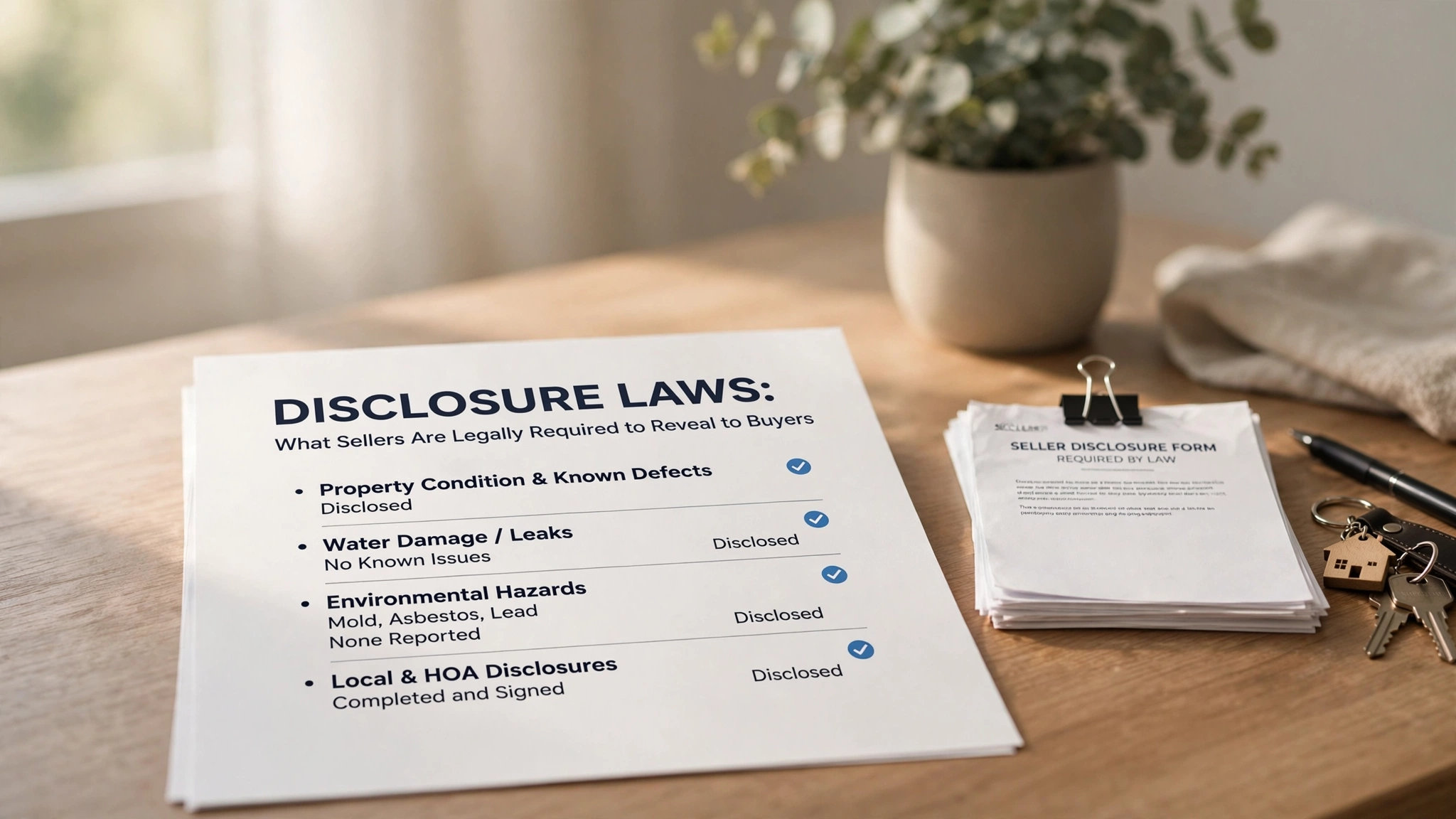
Are you considering buying a new home or investing in real estate? One of the biggest concerns for buyers is ensuring they have all the necessary information about a property before making a purchase. However, navigating the complexities of disclosure laws can be a daunting task for many. This lack of clarity often leaves buyers feeling uncertain and vulnerable, unsure of what sellers are legally obligated to reveal.
Imagine finding your dream home, going through the entire buying process, only to discover hidden issues that were not disclosed to you. From structural problems to past pest infestations, undisclosed issues can turn your dream property into a nightmare. The frustration and financial implications of dealing with undisclosed problems can be overwhelming, leading to stress and regret over your investment decision. Without a clear understanding of what sellers are legally required to disclose, buyers are left exposed to potential risks and liabilities.
But fear not! Understanding disclosure laws and what sellers are legally required to reveal can empower you as a buyer, giving you the confidence to make informed decisions and protect your interests. By arming yourself with knowledge about these laws, you can navigate the real estate market with greater assurance and peace of mind. Stay tuned as we delve into the intricacies of disclosure laws, explore common pitfalls to avoid, and equip you with the tools to ensure a smooth and transparent property buying experience. Get ready to take control of your real estate journey and make well-informed decisions that will shape your future.
Importance of Seller Disclosure
Seller disclosure is a critical aspect of real estate transactions that ensures transparency and protects both buyers and sellers. By providing detailed information about the property’s condition, history, and any known issues, sellers help buyers make informed decisions. Failure to disclose relevant information can lead to legal disputes, financial losses, and damage to the seller’s reputation.
Full disclosure also builds trust between parties and reduces the risk of post-sale conflicts. Buyers rely on seller disclosures to assess the true value and potential risks associated with a property. It is in the best interest of sellers to be upfront and honest about any known defects, repairs, or environmental hazards to avoid future liabilities and maintain a positive relationship with buyers.
Understanding Legal Obligations for Sellers
Sellers have legal obligations to disclose certain information about the property they are selling to potential buyers. These obligations vary by state and can include details about the property’s physical condition, any past or current issues, and environmental hazards. Failure to fulfill these obligations can result in legal consequences, such as fines, lawsuits, and the potential for the sale to be voided.
It is essential for sellers to familiarize themselves with the disclosure requirements in their area and work closely with their real estate agent or legal counsel to ensure compliance. By understanding and meeting their legal obligations, sellers can protect themselves from future disputes and uphold their ethical responsibility to provide accurate and complete information to buyers.
Importance of Seller Disclosure
Seller disclosure is a crucial aspect of real estate transactions as it ensures transparency between sellers and buyers. When sellers provide accurate and complete information about their property, buyers can make informed decisions and avoid potential risks. Failure to disclose relevant details can lead to legal complications and financial losses for both parties. By understanding the importance of seller disclosure, sellers can build trust with buyers and protect themselves from future disputes.
Types of Information Sellers Must Disclose
Sellers are typically required to disclose various types of information about their property, including known defects, previous renovations, environmental hazards, and any ongoing disputes. This information helps buyers assess the condition and value of the property accurately. Additionally, sellers must disclose any material facts that could affect a buyer’s decision to purchase the property. By providing comprehensive disclosure, sellers can avoid potential lawsuits and ensure a smooth transaction process.

Introduction to Disclosure Laws
Disclosure laws are regulations that require sellers to reveal certain information about a property to potential buyers. These laws are designed to protect buyers from purchasing properties with hidden defects or issues. By providing transparency in real estate transactions, disclosure laws help ensure that buyers can make informed decisions about their purchases. Understanding these laws is crucial for both sellers and buyers to navigate the real estate market effectively.
Importance of Seller Disclosure
Seller disclosure is essential in real estate transactions as it helps build trust between buyers and sellers. By disclosing all relevant information about a property, sellers can avoid legal issues and potential disputes with buyers after the sale. Failing to disclose important details can lead to costly legal consequences and damage the seller’s reputation. Honesty and transparency in seller disclosure not only protect buyers but also benefit sellers by fostering a positive reputation in the market.
Types of Information Sellers Must Disclose
Sellers are typically required to disclose a wide range of information about a property, including structural defects, environmental hazards, past renovations, property taxes, and any pending legal issues. Other important disclosures may include information about the neighborhood, zoning regulations, and any previous insurance claims. Providing comprehensive and accurate details to potential buyers is crucial to avoid misunderstandings and legal complications down the line.
Understanding Legal Obligations for Sellers
Sellers must adhere to specific legal obligations when it comes to disclosing information about a property. Laws vary by jurisdiction, but generally, sellers are required to disclose any known material defects that could affect the value or desirability of the property. Failure to fulfill these obligations can result in legal action, financial penalties, and even the rescission of the sale. It is important for sellers to familiarize themselves with the disclosure laws in their area to ensure compliance and protect themselves from potential liabilities.
Consequences of Non-Disclosure
Non-disclosure in real estate transactions can have serious repercussions for sellers. Failure to disclose important information about a property can lead to legal disputes, financial losses, and damage to the seller’s reputation. In some cases, non-disclosure can result in lawsuits from buyers who feel they were misled or not provided with crucial information. This can lead to costly legal battles and potentially even the reversal of a sale. Additionally, failing to disclose certain issues can harm a seller’s chances of selling the property in the future, as word may spread about their lack of transparency.
Tips for Buyers Dealing with Disclosure Laws
Buyers navigating disclosure laws in real estate transactions should take certain precautions to protect themselves. It is crucial for buyers to carefully review all seller disclosures and ask questions about anything that seems unclear or concerning. Conducting thorough inspections and seeking professional advice can help buyers uncover any potential issues that may not have been disclosed. Additionally, buyers should consider obtaining warranties or guarantees to provide some protection in case undisclosed problems arise after the sale. Being proactive and diligent in the due diligence process can help buyers make informed decisions and avoid unpleasant surprises down the line.
6. Tips for Buyers Dealing with Disclosure Laws
Research is Key: Before making any real estate purchase, buyers should conduct thorough research on disclosure laws in their state or region. Understanding what information sellers are required to disclose can help buyers make informed decisions and protect themselves from potential risks.
Ask Questions: Don’t hesitate to ask sellers or real estate agents about any concerns or questions regarding property disclosures. Clarifying any doubts beforehand can prevent misunderstandings and ensure a smoother transaction process.
Get Professional Help: Consider hiring a real estate attorney or inspector to review all disclosure documents and provide expert guidance. These professionals can help buyers interpret the information disclosed and identify any red flags that may need further investigation.
7. Conclusion and Summary
Understanding disclosure laws is essential for both sellers and buyers in real estate transactions. Sellers must comply with legal obligations to provide accurate and complete information about the property they are selling. Failure to disclose relevant details can lead to serious consequences and legal issues. On the other hand, buyers should educate themselves about disclosure laws, ask relevant questions, and seek professional assistance to navigate through the process successfully. By following these tips and being proactive, both parties can ensure a transparent and fair real estate transaction.
Conclusion and Summary
Disclosure laws play a crucial role in real estate transactions by ensuring transparency and protecting both buyers and sellers. It is essential for sellers to understand the legal requirements and obligations related to disclosure to avoid potential consequences of non-disclosure, such as legal disputes and financial penalties. Buyers, on the other hand, should familiarize themselves with the types of information sellers must disclose and be vigilant during the purchase process to make informed decisions.
In conclusion, adherence to disclosure laws fosters trust and fairness in real estate transactions, ultimately benefiting all parties involved. By following the tips provided for both sellers and buyers, individuals can navigate the complexities of disclosure laws with confidence and ensure a smooth and successful property transaction.