
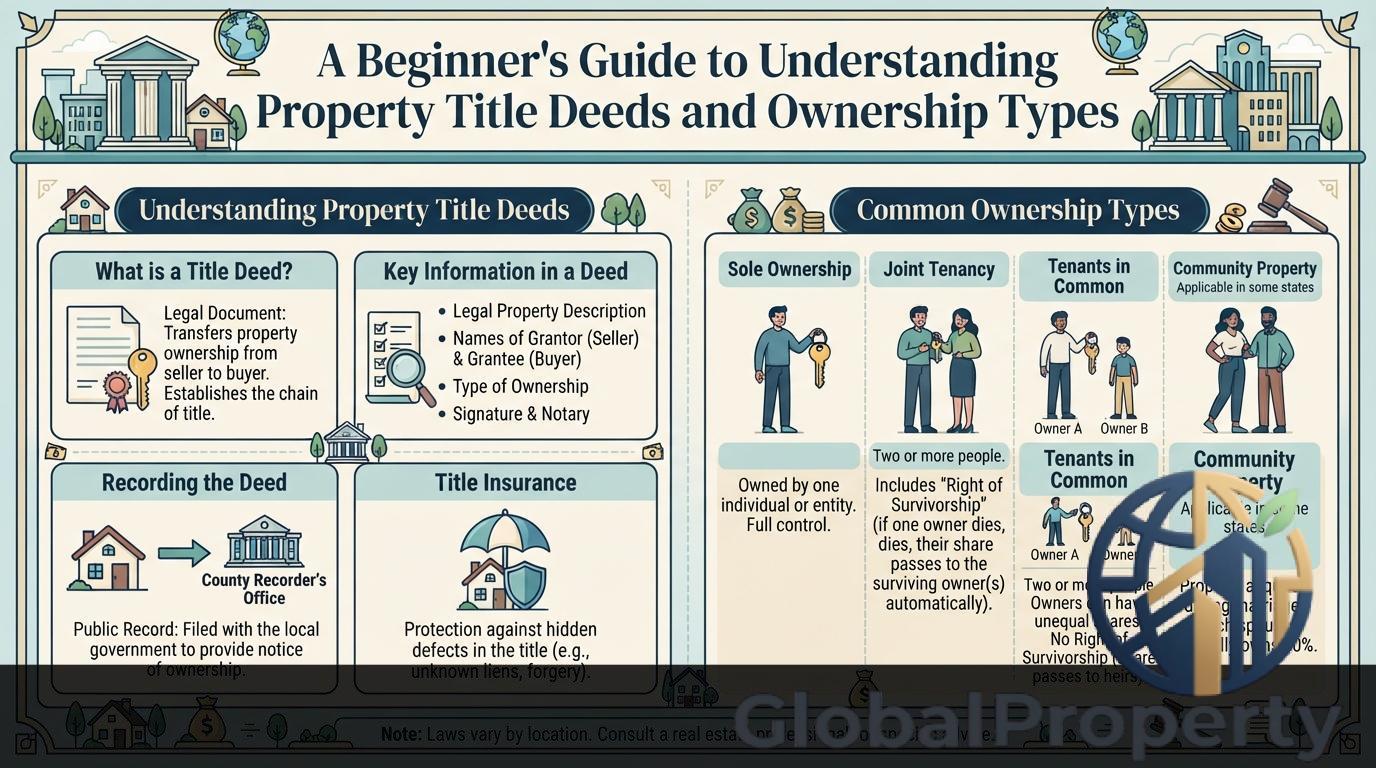
Have you ever found yourself lost in a maze of legal jargon when trying to understand property title deeds and ownership types? The world of real estate can be a daunting place for beginners, with terms like freehold, leasehold, and title deeds often causing confusion and uncertainty. This lack of clarity can lead to significant challenges for property buyers and sellers, making it essential to demystify these concepts for a smoother transaction process.
Imagine the frustration of discovering hidden restrictions on your property title deed after completing a purchase, or the shock of realizing that you don’t actually own the land your home sits on. These scenarios are more common than you might think, and the consequences of not fully grasping property title deeds and ownership types can be financially and emotionally devastating. Unclear ownership structures can lead to disputes, legal complications, and even the loss of your property rights, highlighting the importance of gaining a solid understanding of these crucial aspects of real estate transactions.
Fear not, as this blog post is here to shed light on the complexities of property title deeds and ownership types, empowering you to navigate the real estate landscape with confidence and clarity. By delving into the intricacies of freehold, leasehold, and common types of title deeds, you will gain the knowledge needed to make informed decisions when buying, selling, or managing property. Get ready to unlock the mysteries of property ownership and embark on a journey towards a more secure and knowledgeable real estate experience.
Understanding Property Ownership Types: A Comprehensive Guide
Property ownership types can vary significantly, impacting your rights and responsibilities as a homeowner. Understanding these ownership structures is crucial before making any real estate transaction. The most common types include sole ownership, joint tenancy, tenancy in common, and community property. Sole ownership means you are the sole owner of the property, giving you full control and decision-making power. Joint tenancy is when two or more individuals own equal shares of the property, with rights of survivorship. Tenancy in common allows multiple owners to have unequal shares of the property, and each owner can sell or transfer their share independently. Community property is a form of ownership recognized in some states, where assets acquired during marriage are considered jointly owned by both spouses.
Common Types of Property Title Deeds Explained
Property title deeds are legal documents that prove ownership of a property. Understanding the common types of property title deeds is essential for any homeowner. The most prevalent types include warranty deeds, quitclaim deeds, and grant deeds. A warranty deed guarantees that the seller owns the property free and clear of any liens or claims. A quitclaim deed transfers the seller’s interest in the property to the buyer, without making any guarantees about the title. A grant deed is similar to a warranty deed but typically includes fewer warranties. It’s crucial to carefully review the type of deed involved in a property transaction to ensure a clear and undisputed title transfer.
Common Types of Property Title Deeds Explained
Warranty Deed: A warranty deed guarantees that the property title is clear of any defects or encumbrances. This type of deed provides the highest level of protection for the buyer, as the seller promises to defend the title against any claims.
Quitclaim Deed: A quitclaim deed transfers the seller’s interest in the property to the buyer without any warranties. This type of deed is commonly used in situations where the parties know and trust each other, such as transferring property within a family or between spouses.
Tips for Clearing Title Issues and Understanding Deed Restrictions
When dealing with title issues, it’s crucial to conduct a thorough title search to uncover any potential problems. Common title issues include liens, easements, and boundary disputes. Working with a qualified real estate attorney can help you navigate these complexities and resolve any issues that may arise.
Deed restrictions, also known as restrictive covenants, are legal agreements that dictate how a property can be used. It’s important to review these restrictions carefully before purchasing a property to ensure that they align with your intended use. Violating deed restrictions can result in legal consequences, so it’s essential to understand and comply with them.

Exploring Different Ownership Structures in Real Estate
Understanding the various ownership structures in real estate is crucial for both buyers and sellers. Different ownership types, such as sole ownership, joint tenancy, tenancy in common, and community property, have distinct implications on property rights and responsibilities. Sole ownership grants one individual full control over the property, while joint tenancy involves co-ownership with rights of survivorship. Tenancy in common allows multiple individuals to own a property with separate but undivided interests, and community property typically applies to married couples in certain states.
Key Differences Between Joint Tenancy and Tenancy in Common
Joint tenancy and tenancy in common are common forms of co-ownership with significant differences. In joint tenancy, co-owners have equal rights to the property, and when one owner passes away, their share automatically transfers to the surviving owner(s). On the other hand, tenancy in common allows each owner to possess a specific share of the property, which can be unequal, and they can freely transfer or sell their interest without the consent of other co-owners. Understanding these distinctions is essential for individuals considering co-ownership of real estate properties.
Key Differences Between Joint Tenancy and Tenancy in Common
Joint Tenancy: In joint tenancy, each owner has an equal share of the property and the right of survivorship. This means that if one owner passes away, their share automatically transfers to the surviving owner(s) without going through probate. Joint tenancy is commonly used by married couples or partners who want to ensure that the other person inherits the property seamlessly.
Tenancy in Common: Tenancy in common allows multiple owners to hold unequal shares of the property and have the right to transfer or sell their share independently. In the event of an owner’s death, their share does not automatically transfer to the other owner(s), but rather becomes part of their estate. This type of ownership is often preferred by investors or individuals who want more flexibility in their property rights.
6. Tips for Clearing Title Issues and Understanding Deed Restrictions
Clearing title issues is a crucial step in any real estate transaction to ensure a smooth transfer of ownership. Start by obtaining a title search to uncover any existing liens, encumbrances, or restrictions on the property. Address any issues found promptly to prevent delays in the closing process. Understanding deed restrictions is equally important. Deed restrictions are legal limitations on how a property can be used, such as zoning restrictions or building requirements. Make sure to review the deed carefully and seek legal advice if needed to fully grasp any restrictions that may impact your intended use of the property.
7. Legal Considerations When Transferring Property Ownership
Transferring property ownership involves legal complexities that must be navigated carefully to avoid potential pitfalls. Consider consulting with a real estate attorney to ensure all necessary legal requirements are met during the transfer process. Depending on the type of ownership transfer, such as through a sale, gift, or inheritance, different legal considerations may apply. It’s essential to understand the implications of transferring property ownership, including tax implications and potential liabilities. By seeking professional legal guidance, you can protect your interests and ensure a smooth transfer of ownership.
7. Legal Considerations When Transferring Property Ownership
Transferring property ownership is a complex legal process that requires careful consideration and adherence to specific laws and regulations. It involves transferring the legal rights and responsibilities of owning a property from one party to another. Before initiating the transfer, it is crucial to consult with legal professionals to ensure all aspects are handled correctly and in compliance with the law. Failure to do so can result in legal disputes, financial losses, and complications in the future.
Proper documentation and due diligence are essential when transferring property ownership. This includes drafting a legally binding agreement, conducting a title search to verify ownership rights, and ensuring all necessary paperwork is completed accurately. Additionally, understanding the tax implications and potential liabilities associated with the transfer is crucial to avoid any unforeseen consequences. By following the proper legal considerations and seeking professional guidance, property owners can facilitate a smooth and legally compliant transfer of ownership.