
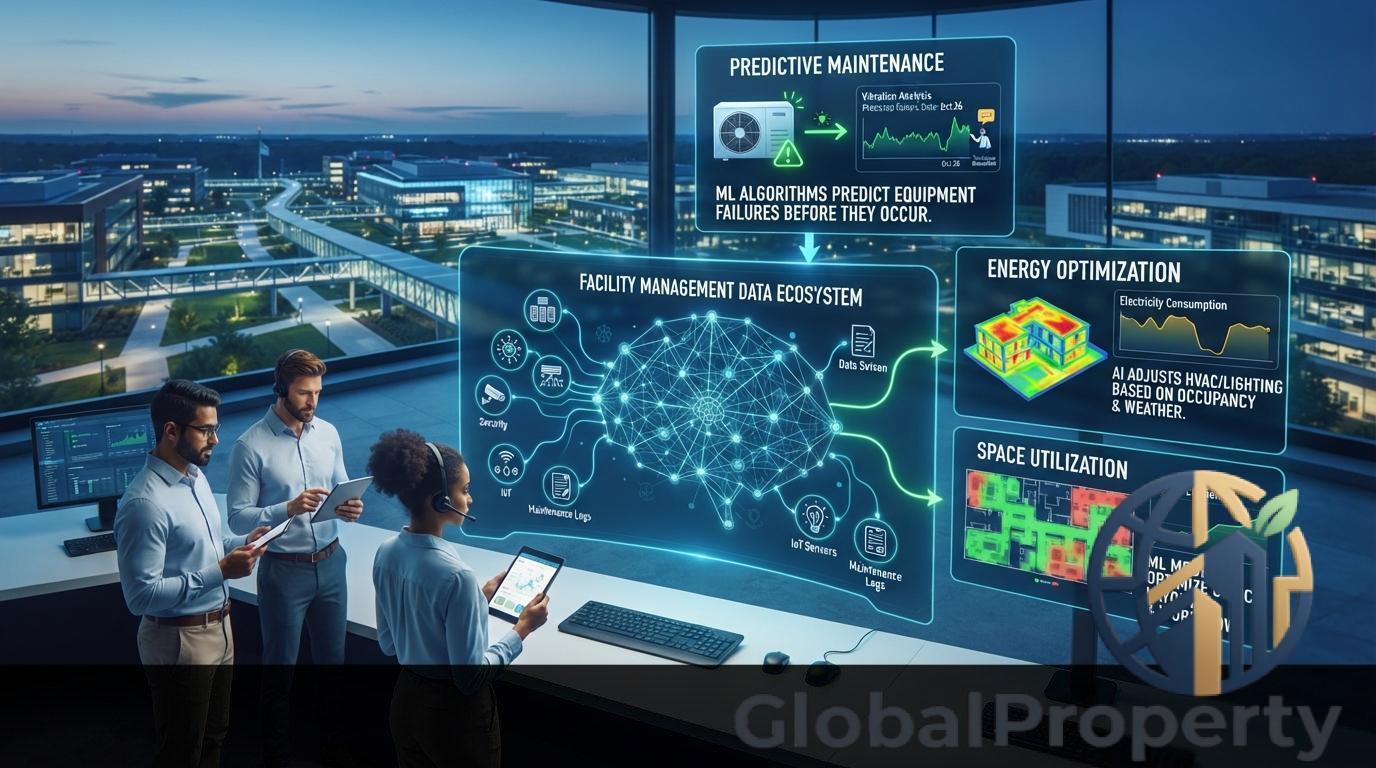
Are you tired of dealing with the complexities and inefficiencies in traditional facility management practices? Picture this: endless manual processes, reactive maintenance, skyrocketing operational costs, and the constant struggle to meet evolving demands. The struggle is real for many facility managers who are striving to keep their facilities running smoothly and cost-effectively. But what if there was a way to revolutionize the way facilities are managed, making processes more streamlined, predictive, and ultimately more efficient? Enter machine learning algorithms – the game-changer in the realm of facility management.
Now, let’s delve deeper into the frustrations and consequences of sticking to outdated facility management methods. Imagine the scenario where maintenance issues go unnoticed until they escalate into major problems, disrupting operations and causing costly downtime. Consider the stress of trying to optimize energy consumption without accurate data and insights, leading to inflated utility bills and unnecessary wastage. The repercussions of these inefficiencies are far-reaching, impacting not only the bottom line but also the overall productivity and reputation of the organization.
But fear not, there’s a beacon of hope on the horizon. Machine learning algorithms offer a transformative solution to these age-old facility management challenges. By harnessing the power of data analytics, predictive maintenance, and automation, these algorithms can revolutionize how facilities are managed. Imagine having real-time visibility into equipment performance, proactive maintenance alerts, and data-driven insights to optimize resource allocation. The possibilities are endless, and the benefits are immense. Join us on this journey as we explore how machine learning algorithms are reshaping the future of facility management, paving the way for smarter, more efficient, and sustainable operations.
What is Machine Learning?
Machine Learning is a branch of artificial intelligence that enables computers to learn and improve from experience without being explicitly programmed. It involves developing algorithms that allow computers to identify patterns in data and make decisions based on these patterns. Machine Learning algorithms can be categorized into supervised, unsupervised, and reinforcement learning, each serving different purposes in extracting insights from data. By utilizing vast amounts of data, Machine Learning models can predict outcomes, classify information, and optimize processes with high accuracy.
Applications of Machine Learning in Facility Management
Machine Learning in Facility Management brings a new level of efficiency and optimization to various operations within facilities. By analyzing historical data, Machine Learning algorithms can forecast equipment failure, optimize energy consumption, and enhance maintenance scheduling. In addition, Machine Learning can be applied to space utilization, security management, and resource allocation within facilities. The ability to automate routine tasks and predict future events based on historical patterns makes Machine Learning a valuable tool for improving overall operational performance in facility management.
Applications of Machine Learning in Facility Management
Machine learning is revolutionizing the way facility management operates by enabling predictive maintenance, energy optimization, and space utilization. In facility management, machine learning algorithms can analyze historical data to predict equipment failures before they occur, allowing for proactive maintenance scheduling. This predictive maintenance approach helps reduce downtime, minimize repair costs, and extend the lifespan of assets within a facility.
Furthermore, machine learning can optimize energy consumption by analyzing patterns and trends in energy usage data. By identifying inefficiencies and recommending adjustments, machine learning algorithms can help facilities reduce energy costs and improve sustainability efforts. Additionally, machine learning algorithms can analyze space utilization data to optimize workspace layouts, improve employee productivity, and enhance overall operational efficiency in facility management.
Challenges and Limitations of Implementing Machine Learning
While the benefits of using machine learning in facility management are significant, there are challenges and limitations that organizations may face during implementation. One key challenge is the requirement for high-quality data to train machine learning models effectively. Without clean and relevant data, machine learning algorithms may provide inaccurate insights or predictions.
Another challenge is the need for skilled personnel to develop, deploy, and maintain machine learning solutions within a facility management context. Organizations must invest in training or hiring data scientists and engineers with expertise in machine learning to ensure successful implementation. Additionally, concerns around data privacy, security, and ethical use of machine learning algorithms may present obstacles that need to be carefully addressed in facility management applications.

Applications of Machine Learning in Facility Management
Machine learning is revolutionizing the way facility management operates by offering innovative solutions for various challenges. One key application is predictive maintenance, where algorithms analyze historical data to predict when equipment might fail, allowing for proactive repairs and minimizing downtime. Another critical area is energy management, where machine learning can optimize energy usage by analyzing consumption patterns and suggesting efficient strategies. Additionally, machine learning plays a significant role in space utilization optimization, helping facility managers make informed decisions on space allocation and layout design based on data-driven insights.
Benefits of Using Machine Learning Algorithms
Machine learning algorithms offer a multitude of benefits to facility management operations. These algorithms can enhance operational efficiency by automating routine tasks, reducing manual efforts, and improving accuracy in decision-making processes. Additionally, machine learning enables predictive analytics, allowing facility managers to forecast future trends, identify potential issues in advance, and make proactive adjustments. Moreover, by leveraging machine learning algorithms, facilities can achieve cost savings through optimized resource allocation, improved energy efficiency, and streamlined maintenance practices. Overall, the adoption of machine learning in facility management leads to enhanced performance, increased productivity, and better utilization of resources.
Case Studies on Optimization in Facility Management
Machine learning has revolutionized the way facility management operates, leading to significant optimization in various aspects. One notable case study is the implementation of predictive maintenance using machine learning algorithms in a large commercial building. By analyzing historical data and patterns, the system was able to predict equipment failures before they occurred, allowing for proactive maintenance and minimizing downtime. This proactive approach not only saved costs on repairs but also improved overall efficiency and tenant satisfaction.
Challenges and Limitations of Implementing Machine Learning
While machine learning offers numerous benefits in facility management, there are also challenges and limitations to consider. One of the primary challenges is the need for high-quality data to train the algorithms effectively. Inaccurate or incomplete data can lead to unreliable predictions and suboptimal results. Additionally, the implementation of machine learning models requires expertise and resources, which may be a barrier for some organizations. Ensuring data privacy and security is also a critical concern when deploying machine learning solutions in facility management.
Challenges and Limitations of Implementing Machine Learning
Machine Learning in facility management offers a plethora of benefits, yet it also comes with its set of challenges and limitations. One major challenge is the availability and quality of data. Without sufficient high-quality data, machine learning algorithms may not produce accurate results. Additionally, the interpretability of machine learning models poses a challenge. Understanding how these complex algorithms arrive at their decisions can be difficult, especially when trying to explain them to stakeholders.
Another limitation is the need for expertise in data science and machine learning. Implementing machine learning in facility management requires a skilled team capable of developing, training, and deploying these algorithms effectively. Moreover, the initial investment in infrastructure and resources can be significant. Companies must be willing to allocate resources for hardware, software, and training to successfully integrate machine learning into their facility management processes.
Future Trends in Facility Management with Machine Learning
The future of facility management is being shaped by the integration of machine learning technologies. One key trend is the rise of predictive maintenance. By leveraging machine learning algorithms, facility managers can predict equipment failures before they occur, leading to cost savings and improved operational efficiency. Furthermore, the use of machine learning in energy management is gaining traction. Algorithms can analyze energy consumption patterns and optimize usage, contributing to sustainability efforts and reducing costs.
Automation and optimization are also expected to play a significant role in the future of facility management. Machine learning algorithms can automate routine tasks, streamline processes, and optimize resource allocation. This shift towards data-driven decision-making is poised to revolutionize how facilities are managed, enhancing productivity, reducing maintenance costs, and improving overall performance.
Future Trends in Facility Management with Machine Learning
Machine learning is set to revolutionize the future of facility management by enabling predictive maintenance, energy optimization, and enhanced decision-making processes. With the ability to analyze vast amounts of data, machine learning algorithms can forecast equipment failures before they occur, leading to reduced downtime and cost savings. Additionally, by leveraging historical data and real-time information, facility managers can optimize energy consumption, resulting in improved sustainability and operational efficiency.
Furthermore, the integration of machine learning in facility management will pave the way for advanced analytics and automation, streamlining processes and enhancing overall performance. As technology continues to evolve, we can expect to see more sophisticated algorithms and tools being developed to address specific challenges in the industry. Embracing these future trends will empower facility managers to make informed decisions, drive innovation, and stay ahead in a rapidly changing environment.