
Are you tired of feeling vulnerable to potential financial risks that could jeopardize your hard-earned personal assets? The reality is that in today’s complex and litigious world, individuals face numerous threats to their wealth and security. From lawsuits to creditors, your assets are constantly at risk, leaving you exposed to potential losses that could have a devastating impact on your financial well-being. This is a problem that many people grapple with – the need to protect their personal assets from unforeseen circumstances beyond their control.
Imagine the stress and anxiety of losing everything you’ve worked so hard to build – your home, savings, investments, and more – simply because you weren’t adequately prepared for the unexpected. The thought of facing financial ruin due to a lawsuit or creditor claim can be overwhelming and paralyzing. The fear of losing everything you’ve worked for can keep you up at night, wondering if there’s a way to safeguard your assets and secure your future.
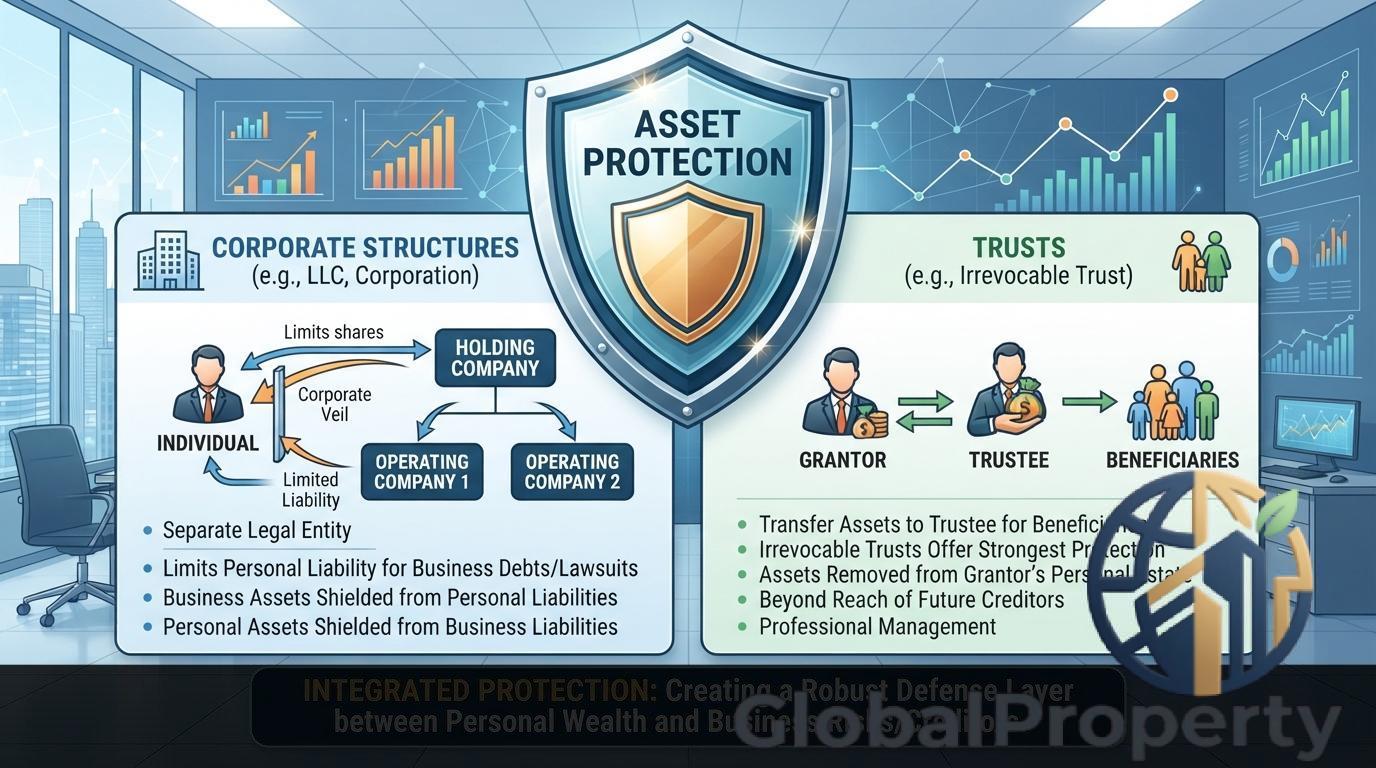
But fear not, there is a solution that can provide you with the peace of mind and protection you need. By understanding the benefits of utilizing corporate structures and trusts, you can establish a robust shield around your personal assets, safeguarding them from potential threats and ensuring your financial security for years to come. Take control of your financial destiny and empower yourself with the knowledge and tools to protect what matters most. Let’s explore how you can secure your assets and pave the way for a brighter, worry-free future.
Understanding Personal Asset Protection
Asset protection involves safeguarding one’s personal and business assets from potential risks, liabilities, and legal claims. It is crucial to understand the importance of separating personal and business assets to shield them from potential lawsuits, debts, or financial obligations. By establishing a clear boundary between personal and business assets, individuals can mitigate risks and protect their wealth from potential creditors or legal actions. Personal asset protection strategies may include creating legal structures such as trusts, corporations, or limited liability companies to safeguard assets and minimize exposure to risks.
Benefits of Corporate Structures
Utilizing a corporate structure can offer significant advantages for asset protection and business operations. Corporations provide limited liability protection to their owners, shielding personal assets from business debts and legal liabilities. Additionally, incorporating a business can enhance credibility, facilitate access to financing, and offer tax benefits. By separating personal and business assets through a corporate structure, individuals can safeguard their wealth, reduce personal risk exposure, and ensure the long-term viability of their business endeavors.
Benefits of Corporate Structures
Corporate structures offer a wide range of benefits for asset protection. By establishing a corporation, individuals can separate their personal assets from their business assets, reducing personal liability in case of lawsuits or debts. Additionally, corporations provide a level of credibility and professionalism that can attract investors and clients. Another key advantage is the potential tax benefits that come with certain corporate structures, allowing individuals to minimize their tax liabilities legally. Furthermore, corporations can provide a clear structure for decision-making and ownership, making it easier to scale and grow a business efficiently.
Types of Trusts for Asset Protection
When it comes to asset protection, trusts offer a powerful tool for safeguarding wealth and assets. There are various types of trusts available, each serving different purposes and providing unique benefits. Revocable trusts, irrevocable trusts, asset protection trusts, and spendthrift trusts are just a few examples of trust structures that can be utilized for asset protection purposes. Each type of trust has its own advantages and considerations, such as control over assets, tax implications, and level of protection offered. Choosing the right trust structure depends on individual circumstances, goals, and preferences, and seeking advice from legal and financial professionals is crucial to ensure optimal asset protection strategies.

Types of Trusts for Asset Protection
Revocable Trust: A revocable trust, also known as a living trust, allows the grantor to retain control over the assets placed in the trust during their lifetime. The grantor can modify or revoke the trust at any time, making it a flexible option for asset protection and estate planning.
Irrevocable Trust: An irrevocable trust is a trust that cannot be modified or revoked once it is created. Assets transferred to an irrevocable trust are no longer considered part of the grantor’s estate, providing protection from creditors and potential lawsuits. Irrevocable trusts are often used for long-term asset protection and tax planning purposes.
Setting Up a Corporate Structure
Setting up a corporate structure involves choosing the appropriate business entity, such as a corporation or limited liability company (LLC), to protect personal assets from business liabilities. By establishing a separate legal entity for your business, you create a shield that can help safeguard your personal assets in the event of lawsuits or financial difficulties.
Each type of corporate structure has its own benefits and considerations, including liability protection, tax implications, and management flexibility. It is essential to consult with legal and financial advisors to determine the most suitable corporate structure for your specific needs and goals.
Types of Trusts for Asset Protection
When it comes to protecting your assets, trusts can be powerful tools. There are several types of trusts that can offer varying levels of protection depending on your specific needs. Revocable trusts allow you to maintain control over your assets during your lifetime while providing a level of protection from creditors. Irrevocable trusts, on the other hand, transfer ownership of assets to the trust and can offer more extensive protection.
Asset protection trusts, such as domestic and offshore trusts, are specifically designed to shield your assets from legal claims. These trusts can be complex and require careful planning to ensure they are legally sound and effective. Understanding the different types of trusts available for asset protection is crucial in developing a comprehensive strategy to safeguard your wealth.
Setting Up a Corporate Structure
Establishing a corporate structure can provide significant benefits for asset protection. By creating a separate legal entity, such as a corporation or limited liability company (LLC), you can shield your personal assets from business liabilities. Setting up a corporate structure involves registering the entity with the appropriate government authorities and adhering to specific legal requirements.
Choosing the right corporate structure depends on factors such as the nature of your business, tax considerations, and asset protection goals. Properly structuring your business can help minimize risks and ensure that your personal assets are safeguarded in the event of legal disputes or financial challenges. Consulting with legal and financial professionals is essential to navigate the complexities of setting up a corporate structure effectively.
Creating a Trust for Asset Protection
Protecting your assets through trusts is a powerful strategy that offers a high level of security and control over your wealth. By establishing a trust, you can safeguard your assets from potential risks such as lawsuits, creditors, and unforeseen financial difficulties. Trusts provide a legal structure that allows you to transfer ownership of your assets to a trustee, who manages them on behalf of the beneficiaries according to the terms of the trust agreement.
There are various types of trusts that can be created for asset protection, each offering unique benefits and features. Common types of asset protection trusts include irrevocable trusts, living trusts, spendthrift trusts, and discretionary trusts. Depending on your specific needs and goals, you can choose the most suitable trust structure to preserve your wealth and ensure its longevity for future generations. Working with a knowledgeable estate planning attorney is essential to navigate the complexities of trust creation and ensure that your assets are well-protected.
Conclusion
Personal asset protection is a crucial aspect of financial planning, especially in today’s unpredictable world. By understanding the benefits of corporate structures and various types of trusts available for asset protection, individuals can secure their wealth and safeguard it against potential risks. Setting up a corporate structure provides a legal shield that separates personal assets from business liabilities, offering peace of mind and financial security. Creating a trust tailored for asset protection adds an additional layer of protection by allowing individuals to designate assets for specific purposes or beneficiaries.
In conclusion, a comprehensive approach to personal asset protection involves a strategic combination of corporate structures and trusts. By leveraging these tools effectively, individuals can mitigate risks, protect their wealth, and ensure a secure financial future for themselves and their loved ones.