

Have you ever marveled at the stunning architecture of a building or the thoughtful design of a public space, only to wonder about the rights and protections that safeguard such creative works? The world of architectural and urban design is a realm where innovation and creativity flourish, but it is also a realm where intellectual property rights play a crucial role in protecting the ideas and efforts of designers and architects. Understanding these rights is not just a matter of legal jargon; it is a fundamental aspect that shapes the future of our built environment.
Imagine pouring your heart and soul into a groundbreaking architectural design, only to see it replicated without your consent or credit given to you. The frustration and helplessness that come with witnessing your original ideas being used or even profited from by others can be disheartening. Without a solid grasp of intellectual property rights in architectural and urban design, designers risk falling victim to such infringements, ultimately undermining their hard work and creativity. The consequences of neglecting to protect one’s intellectual property in this field are not just financial but also deeply personal, as it can erode the very essence of innovation and originality.
However, there is a beacon of hope amidst this complex landscape of intellectual property rights in architectural and urban design. By delving into the intricacies of copyright, trademarks, patents, and trade secrets as they apply to the design world, designers and architects can equip themselves with the knowledge and tools necessary to safeguard their creations. This blog post aims to unravel the mysteries surrounding intellectual property rights in architectural and urban design, empowering you to navigate this terrain with confidence and ensuring that your innovative designs receive the recognition and protection they truly deserve. Join us on this enlightening journey as we demystify the realm of intellectual property rights, paving the way for a future where creativity thrives and originality is celebrated.
Importance of Intellectual Property Rights in Architecture
Intellectual property rights play a crucial role in the field of architecture, protecting the creative works and innovations of architects. These rights encompass copyrights, patents, and trademarks, safeguarding architectural designs, drawings, and plans from unauthorized use and reproduction. By securing intellectual property rights, architects can ensure that their original creations are recognized, respected, and legally protected.
Key Differences Between Patents and Copyrights in Architecture
Patents and copyrights are both essential forms of intellectual property protection in architecture, each serving distinct purposes. Patents typically cover new and innovative architectural processes or technologies, granting exclusive rights to their creators for a specified period. On the other hand, copyrights protect original artistic expressions, such as architectural drawings and designs, automatically upon creation. Understanding the differences between patents and copyrights is vital for architects to effectively safeguard their intellectual property and prevent infringement.
Overview of Architectural Design Protection
Architectural design protection refers to the legal rights granted to architects and designers to protect their original creations from being copied or reproduced without permission. These rights typically include copyright protection, which covers the expression of ideas in architectural drawings, plans, and models. Additionally, architects may also seek protection through design patents for the ornamental or aesthetic aspects of their designs.
Architectural design protection plays a crucial role in fostering innovation and creativity within the architecture industry. By safeguarding the rights of architects, it encourages the development of unique and groundbreaking designs while also ensuring fair competition among professionals. Understanding the various forms of protection available is essential for architects to navigate the complex legal landscape and effectively safeguard their intellectual property.
Understanding Urban Design and Copyright
Urban design encompasses the planning and design of cities, towns, and communities to create functional, attractive, and sustainable environments. Copyright in urban design pertains to the protection of original works such as urban plans, streetscapes, public spaces, and landscape designs. While copyright does not protect the ideas behind urban design, it does safeguard the specific expression of those ideas in tangible form.
Architects and urban planners must be aware of how copyright applies to their work in urban design to prevent unauthorized copying or reproduction. By understanding the principles of copyright law and how they relate to urban design, professionals can ensure that their creations are protected and that they have the exclusive right to use, reproduce, and distribute their work within the built environment.
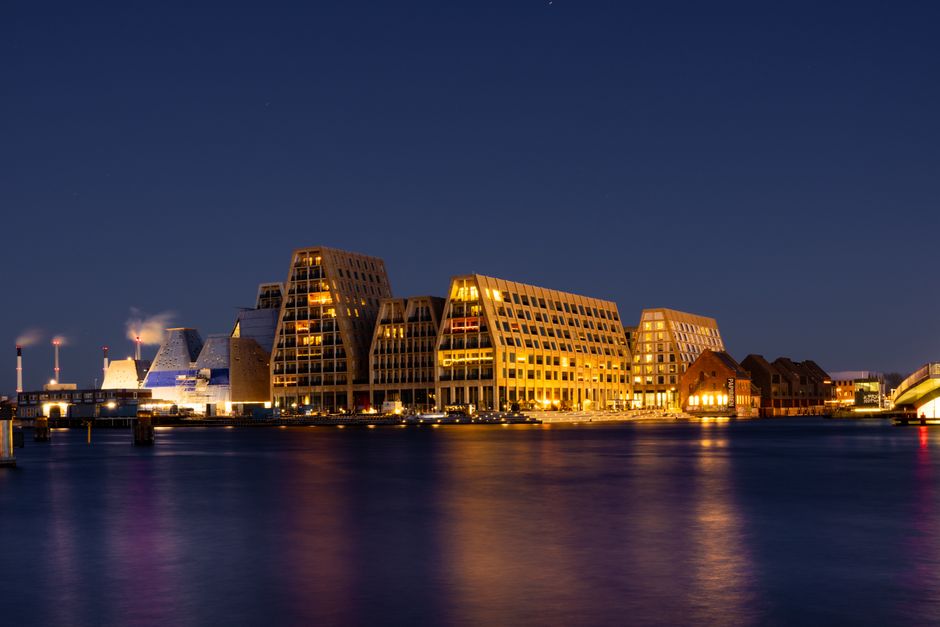
4. Understanding Urban Design and Copyright
Urban design plays a crucial role in shaping the aesthetic and functional aspects of our cities and communities. When it comes to copyright in urban design, it refers to the protection of the visual appearance and arrangement of urban spaces, buildings, and structures. This includes elements such as street layouts, building facades, parks, and public spaces.
Copyright Protection
Architects and urban designers can seek copyright protection for their original urban design work, which includes drawings, plans, models, and even digital representations. This protection extends to both the overall design concept as well as specific details and elements that are considered original and creative. By securing copyright protection, designers can prevent unauthorized copying or reproduction of their work, ensuring that their creative efforts are respected and legally safeguarded.
Key Differences Between Patents and Copyrights in Architecture
Patents in architecture protect new and innovative inventions or designs that are functional in nature. They provide exclusive rights to the inventor to prevent others from making, using, or selling the patented invention without permission. Patents are typically granted for a limited period, usually 20 years from the date of filing the application. In architecture, patents may apply to unique building materials, construction methods, or technological innovations that have a practical application in the field.
Copyrights, on the other hand, protect original works of authorship, including architectural designs, drawings, plans, and models. Copyrights give the creator the exclusive right to reproduce, distribute, display, and modify their work. Unlike patents, copyrights do not protect functional aspects but rather the expression of ideas. In architecture, copyrights play a crucial role in safeguarding the artistic and creative elements of a design, ensuring that the architect’s vision is respected and not unlawfully copied or reproduced.
International Perspectives on Architectural Copyright
Architectural copyright laws vary significantly across countries, leading to a complex landscape for architects working on an international scale. In some regions, architectural works may be automatically protected under copyright law once they are created, while in others, architects must register their designs to receive protection. Understanding these differences is crucial for architects seeking to protect their creations globally.
International treaties such as the Berne Convention aim to harmonize copyright laws across countries, providing some level of consistency in how architectural works are protected. However, challenges still exist in enforcing copyright laws across borders and navigating the nuances of each country’s legal framework. Architects operating internationally must stay informed about the latest developments in intellectual property rights to safeguard their designs effectively.
International Perspectives on Architectural Copyright
Architectural copyright laws vary significantly around the world, with each country having its own regulations and interpretations. In some regions, architectural works may be automatically protected under copyright law, while in others, specific criteria must be met for protection to be granted. Understanding these differences is crucial for architects and designers working on projects with international scope.
Additionally, the concept of moral rights in architecture, which includes the right to be identified as the author of a work and the right to object to derogatory treatment of the work, is recognized in many countries. This aspect adds another layer of complexity to the international landscape of architectural copyright and requires careful consideration when navigating the legal frameworks of different jurisdictions.
Conclusion
In conclusion, intellectual property rights play a vital role in protecting architectural creations and fostering innovation in the field. Architects and designers must be aware of the various forms of protection available to them, such as copyrights and patents, and understand the nuances of each. By respecting and upholding these rights, professionals can ensure that their work is safeguarded and that they receive due recognition for their contributions to the built environment.