
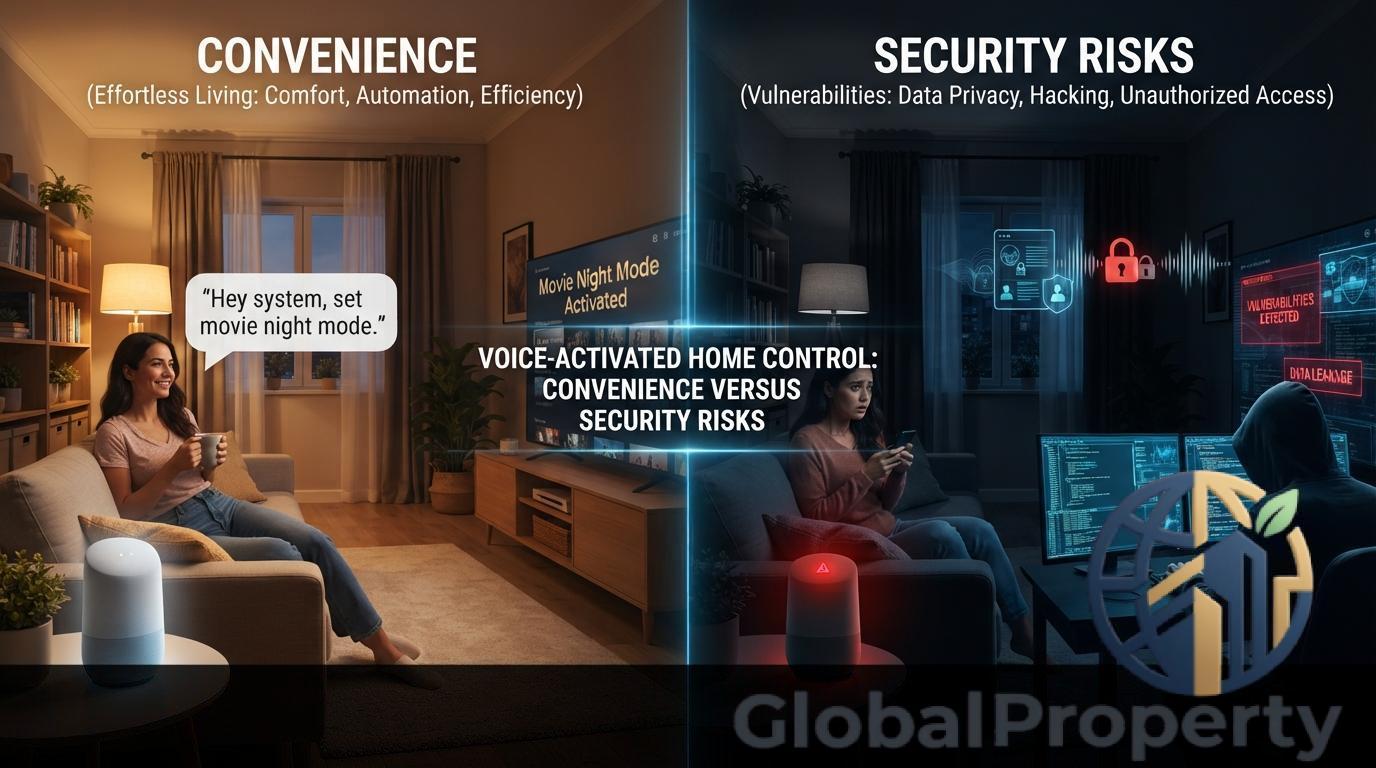
In the era of smart homes and cutting-edge technology, the concept of voice-activated home control has revolutionized the way we interact with our living spaces. Picture this: you walk into your house, and with a simple voice command, the lights adjust, the temperature changes to your preferred setting, and your favorite music starts playing. It all sounds incredibly convenient and futuristic, right? However, lurking beneath this seamless convenience lies a critical dilemma that many homeowners face – the delicate balance between convenience and security risks.
Imagine relying on voice commands to control your home’s security system, only to realize that hackers could potentially intercept these commands and gain unauthorized access to your most private spaces. The thought alone is enough to send shivers down anyone’s spine. Beyond the fear of cybersecurity breaches, there’s also the concern of unintended activations or misunderstandings by the voice-controlled devices, leading to chaotic or even dangerous situations within your home.
So, what’s the solution to this intricate dilemma of balancing convenience with security risks in voice-activated home control systems? As we navigate this technological landscape, it becomes paramount to implement stringent security measures, regularly update software to patch vulnerabilities, and maintain a heightened awareness of the potential risks involved. Join me on this enlightening journey as we delve deeper into the nuances of voice-activated home control, uncovering ways to safeguard our convenience without compromising on our safety. Let’s embark on a transformative exploration where innovation meets security, ensuring a harmonious coexistence in our modern homes.
Voice Activation Technology Overview
Voice activation technology has revolutionized the way we interact with our devices and control various aspects of our homes. By using voice commands, users can effortlessly navigate through tasks such as adjusting temperatures, playing music, setting reminders, and even controlling home security systems. This technology relies on sophisticated algorithms and artificial intelligence to interpret and respond to human speech effectively.
With the rise of smart home devices and virtual assistants like Amazon Echo and Google Home, voice activation technology has become increasingly integrated into our daily lives. Its convenience and hands-free operation make it a popular choice for users seeking a seamless and intuitive way to interact with their devices and manage their homes.
Home Control Systems
Home control systems powered by voice activation technology offer users a convenient and efficient way to manage various aspects of their living spaces. From adjusting lighting and thermostats to controlling entertainment systems and security cameras, these systems provide a centralized hub for seamless home automation. Users can simply issue voice commands to execute tasks, eliminating the need for manual intervention.
By integrating voice activation technology into home control systems, users can enjoy a hands-free and personalized experience tailored to their preferences. Whether it’s creating custom routines, setting up voice-controlled scenes, or automating repetitive tasks, these systems offer a new level of convenience and control for modern homeowners seeking a smarter living environment.
Home Control Systems
Home control systems are a revolutionary advancement in smart home technology, allowing users to seamlessly control various aspects of their homes through voice commands. These systems integrate with devices such as smart thermostats, lighting, security cameras, and entertainment systems, providing convenience and efficiency to homeowners. With voice activation technology, users can simply speak commands to adjust settings, turn on appliances, or even lock doors, making daily tasks easier and more streamlined.
Home control systems offer a new level of automation and connectivity, enhancing the overall living experience for users. By leveraging voice-activated control, individuals can create custom routines, set schedules, and monitor their homes remotely with just their voice. As the demand for smart home technology continues to grow, home control systems are becoming increasingly popular for their convenience, energy efficiency, and ability to create a more connected living environment.
Security Risks in Voice-Activated Control
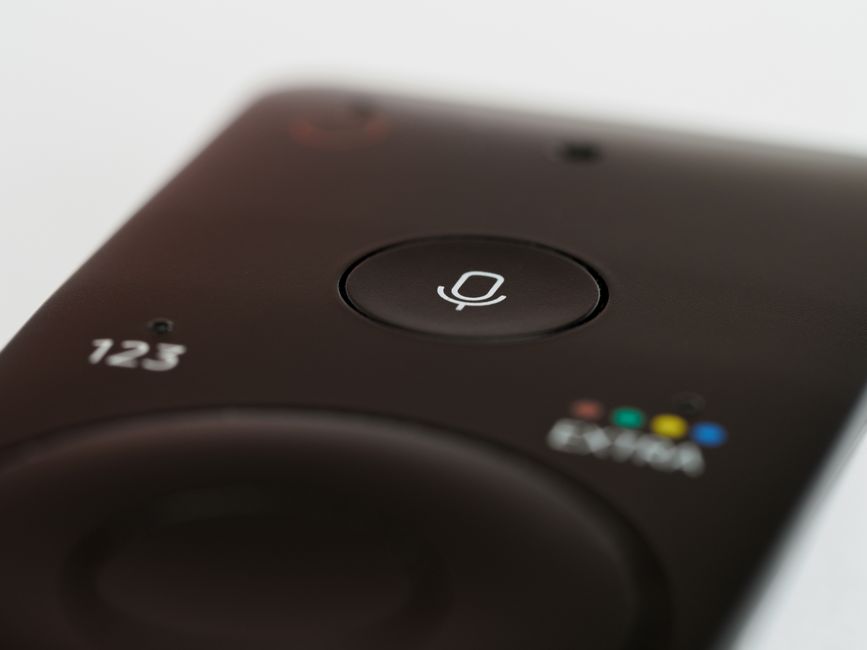
Voice-activated control systems have revolutionized the way we interact with technology, offering convenience and efficiency. However, this innovative technology also comes with inherent security risks that users need to be aware of. One major concern is the potential for unauthorized access to sensitive information through voice commands. Hackers could exploit vulnerabilities in the system to eavesdrop on conversations or manipulate commands to gain access to private data or control connected devices. Additionally, there is a risk of false activations or unauthorized users issuing commands, leading to potential security breaches.
Privacy Concerns
Privacy concerns have become a focal point in the discussion surrounding voice-activated control systems. Users are increasingly worried about the collection and storage of their personal data, including voice recordings and interaction history. There is a fear that this data could be misused or shared with third parties without consent, raising questions about privacy rights and data protection. Furthermore, the always-on nature of voice-activated devices raises concerns about constant monitoring and the potential for unintended data collection, further exacerbating privacy worries.
Privacy Concerns
Voice-activated control systems have brought convenience into our homes, but with this convenience comes a host of privacy concerns. Users are becoming increasingly aware of the potential risks associated with having always-on microphones and cameras in their living spaces. The fear of unauthorized data collection, sharing of personal information, and even the possibility of being listened to without consent is leading to a growing unease among consumers.
Furthermore, the issue of data security and the protection of sensitive information is a significant concern. As more devices become interconnected through voice activation technology, the risk of data breaches and hacking attempts also increases. It is crucial for companies to address these privacy concerns transparently and implement robust security measures to protect user data and maintain trust in their products.
Privacy Concerns
Voice activation technology, while convenient, raises significant privacy concerns for users. The always-on nature of these systems means that they are constantly listening for commands, potentially capturing private conversations or sensitive information. Users may feel uneasy knowing that their devices are recording and transmitting data to remote servers, where it could be vulnerable to unauthorized access or hacking.
Mitigating Security Risks
To address the security risks associated with voice-activated control systems, users should take proactive measures to safeguard their privacy. This includes regularly updating the software on their devices to patch any security vulnerabilities, using strong and unique passwords for each device, and being cautious about the type of information shared with these systems. Additionally, disabling features that are not essential for the device’s functionality can help minimize the risk of data exposure.
Conclusion
Voice activation technology has revolutionized the way we interact with our homes, offering convenience and efficiency like never before. However, with this innovation comes the responsibility to address the security risks and privacy concerns associated with voice-activated control systems. As we continue to integrate these technologies into our daily lives, it is crucial for manufacturers, developers, and users to work together to mitigate potential vulnerabilities and safeguard sensitive information.
In conclusion, while voice-activated control systems offer incredible benefits and possibilities, it is essential to prioritize security and privacy to ensure a safe and reliable user experience. By staying informed, implementing best practices, and staying vigilant against potential threats, we can fully embrace the convenience of voice activation technology while protecting our homes and personal information.