
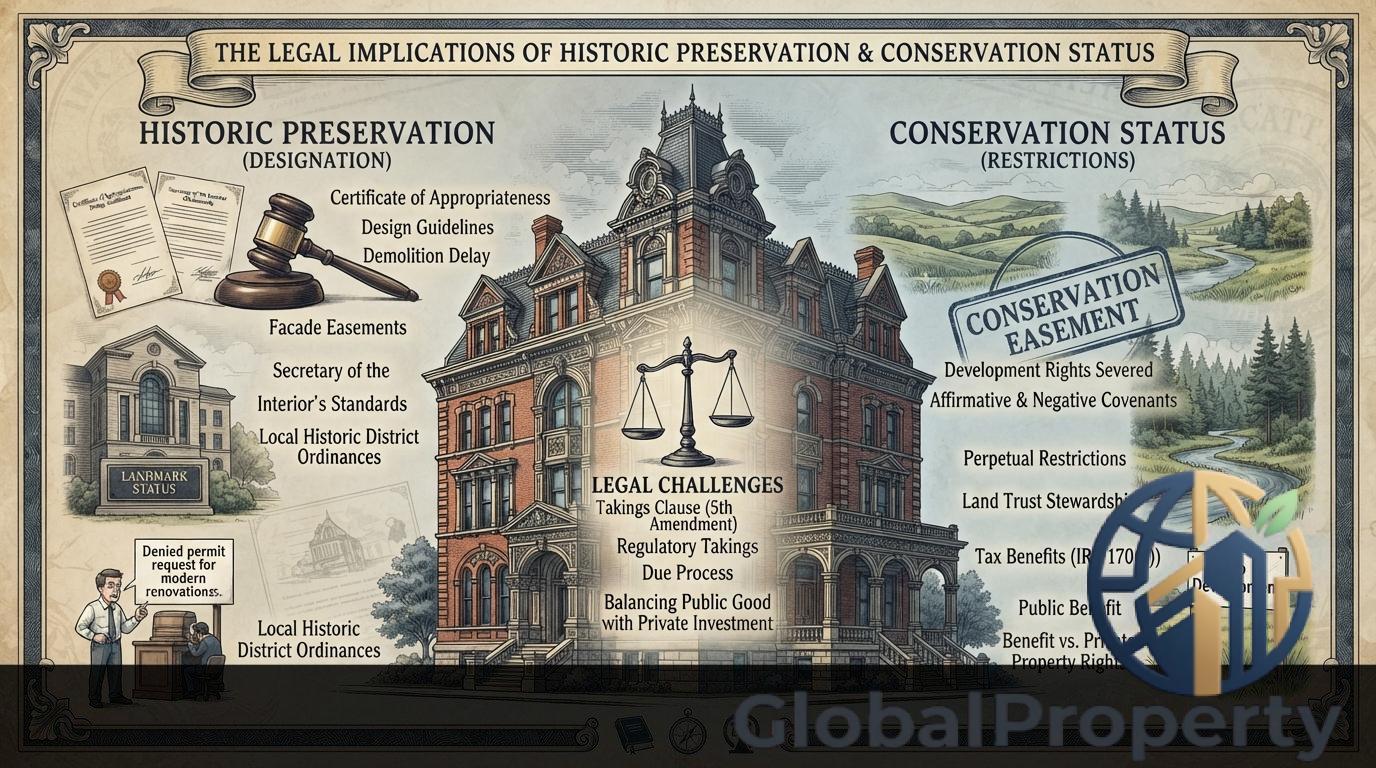
Are you a lover of history, architecture, and cultural heritage? Do you find yourself fascinated by the stories that old buildings and landmarks whisper to us from the past? If so, you’re likely well aware of the ongoing struggle to preserve and protect these invaluable pieces of our collective history. However, navigating the complex web of legal implications surrounding historic preservation and conservation status can be a daunting challenge for many individuals and organizations alike.
Imagine walking through your city streets, only to see yet another historic building reduced to rubble to make way for modern developments. The heartache of witnessing the irreversible loss of a piece of your city’s identity can be immense. Not only does this erode the unique character and charm of the place you call home, but it also raises questions about the legal frameworks in place to safeguard these treasures for future generations.
But fear not, for there is a solution to this pressing issue. By gaining a deeper understanding of the legal implications of historic preservation and conservation status, you can actively contribute to the protection and revitalization of our shared heritage. Join us as we delve into the intricate world of heritage laws and regulations, uncovering the tools and strategies that can help us preserve the past while building a sustainable future. Together, let’s embark on a journey to safeguard the legacy of our ancestors and create a more vibrant and culturally rich world for generations to come.
Importance of Historic Preservation
Historic preservation plays a crucial role in safeguarding our cultural heritage and maintaining a connection to our past. Preserving historic sites, buildings, and structures helps us understand our history, architecture, and the evolution of societies over time. These places serve as tangible links to the past, allowing us to experience and appreciate the craftsmanship, artistry, and stories embedded in them. By conserving and protecting these sites, we ensure that future generations can learn from, appreciate, and be inspired by the achievements of those who came before us.
Challenges in Implementing Preservation Laws
Despite the importance of historic preservation, there are significant challenges in implementing preservation laws effectively. One major challenge is balancing the need for development and modernization with the preservation of historic sites. Conflicts often arise between property owners, developers, preservationists, and government agencies over the use and adaptation of historic buildings. Additionally, limited funding, lack of public awareness, and inadequate enforcement of preservation laws further complicate the preservation efforts. Overcoming these challenges requires a collaborative approach involving stakeholders from various sectors to find innovative solutions that respect the past while embracing the future.
Importance of Historic Preservation
Historic preservation plays a crucial role in maintaining our cultural heritage and identity. By preserving historic sites, buildings, and structures, we are not only protecting tangible pieces of our past but also ensuring that future generations can learn from and appreciate the history that shaped our society. These preserved landmarks serve as a connection to our roots, allowing us to understand the evolution of architectural styles, social practices, and significant events that have influenced our communities.
Legal Framework for Historic Preservation
The legal framework for historic preservation provides the necessary guidelines and regulations to protect and conserve culturally significant sites. These laws establish criteria for identifying historic properties, outline procedures for designation, and set standards for rehabilitation and maintenance. Through zoning ordinances, preservation easements, and historic district designations, these legal mechanisms empower authorities to safeguard our heritage from insensitive development, demolition, or neglect. Compliance with preservation laws is essential to ensure the longevity and integrity of our historical assets for future generations.
Conservation Status of Historic Sites
Historic sites play a crucial role in preserving our cultural heritage and telling the stories of our past. The conservation status of these sites determines their level of protection and maintenance. It is essential to categorize historic sites based on their significance, condition, and vulnerability to ensure appropriate conservation measures are implemented. Governments, organizations, and communities work together to assess, document, and monitor the conservation status of historic sites to prevent loss and deterioration of these valuable assets. By identifying and addressing conservation needs, we can safeguard these sites for future generations to appreciate and learn from.
Challenges in Implementing Preservation Laws
While preservation laws are essential for protecting historic sites, their implementation can be challenging due to various factors. One major challenge is balancing preservation goals with development pressures, as economic interests may conflict with conservation efforts. Additionally, inadequate funding, lack of public awareness, and bureaucratic hurdles can hinder the effective enforcement of preservation laws. Collaborative efforts involving government agencies, preservation organizations, and local communities are crucial to overcoming these challenges and ensuring the sustainable preservation of our cultural heritage. By addressing these obstacles, we can strengthen the enforcement of preservation laws and better protect our historic sites for future generations.
Challenges in Implementing Preservation Laws
The challenges in implementing preservation laws are multifaceted and require a delicate balance between protecting historical sites and accommodating modern development needs. One major challenge is the lack of funding for preservation efforts, leading to neglect and decay of many important sites. Additionally, conflicting interests between property owners, developers, and preservationists often result in legal battles and delays in the implementation of preservation laws. Another challenge is the difficulty in enforcing compliance with preservation regulations, as some property owners may resist restrictions on modifications to their buildings.
Case Studies: Successful Preservation Efforts
Successful preservation efforts serve as inspiration and models for future conservation projects. One notable case study is the restoration of the historic district in Charleston, South Carolina, where a combination of public and private funding, along with strict preservation regulations, helped maintain the area’s historic charm while allowing for sustainable development. Another example is the adaptive reuse of the High Line in New York City, which transformed an abandoned railway into a vibrant public park, preserving the site’s industrial history while creating a recreational space for the community. These case studies highlight the benefits of collaboration, creativity, and community engagement in successful preservation initiatives.
Case Studies: Successful Preservation Efforts
The preservation of historic sites is a critical endeavor that showcases the power of community engagement and proactive conservation efforts. In recent years, several notable case studies have demonstrated the successful preservation of significant landmarks and structures. One such example is the restoration of the iconic Eiffel Tower in Paris, France. Through meticulous planning, innovative engineering techniques, and public support, the Eiffel Tower underwent extensive restoration to ensure its longevity for future generations.
Another compelling case study is the rehabilitation of the historic Machu Picchu site in Peru. The collaborative efforts between local authorities, preservation experts, and indigenous communities led to the development of sustainable conservation practices that safeguarded the archaeological site’s integrity while promoting responsible tourism. These case studies highlight the importance of proactive preservation strategies and community involvement in protecting our shared cultural heritage.
Conclusion
Historic preservation is a critical endeavor that plays a significant role in maintaining our cultural heritage and identity. By safeguarding historic sites and structures, we are not just preserving physical artifacts but also the stories and memories that are associated with them. It is essential for communities to recognize the value of their historical assets and work towards their conservation for future generations to appreciate.
In conclusion, effective historic preservation requires a combination of legal frameworks, community involvement, and sustainable conservation efforts. While challenges exist in implementing preservation laws, successful case studies demonstrate that with dedication and strategic planning, it is possible to protect and celebrate our shared history. Moving forward, it is crucial for stakeholders to collaborate, innovate, and prioritize the preservation of our cultural heritage for the benefit of society as a whole.