

Are you tired of entering into agreements only to find out later that crucial details were left out, leading to misunderstandings and disputes? The lack of clarity in contracts can be a major headache for individuals and businesses alike. Without the essential elements clearly defined, parties may end up in costly legal battles or facing financial losses. This common problem can be a significant source of stress and uncertainty for anyone involved in contract negotiations.
Imagine the frustration of realizing that a key term was not included in a contract, leaving you vulnerable to potential risks and liabilities. The ambiguity that arises from poorly drafted agreements can create confusion, delays in project completion, and even damage relationships between parties. Not having a solid foundation in your contracts can lead to missed opportunities, wasted time, and a lack of trust between the parties involved. The consequences of neglecting to address the essential components of a contract can be far-reaching and detrimental to your business or personal interests.
But fear not, there is a solution to this common dilemma. By understanding the contractual essentials and ensuring that every agreement includes key elements for clarity, you can protect yourself and your interests from potential pitfalls. From clearly defining the parties involved to outlining the scope of work, payment terms, and dispute resolution mechanisms, a well-drafted contract can provide peace of mind and establish a strong foundation for a successful business relationship. Don’t let the lack of clarity in contracts hold you back – empower yourself with the knowledge of what every agreement must include for clarity, and pave the way for smoother negotiations and secure transactions.
Importance of Clarity in Agreements
Clarity in agreements is paramount to ensure that all parties involved have a clear understanding of their rights and obligations. Ambiguity in contracts can lead to misunderstandings, disputes, and even legal battles. A clear and concise agreement helps prevent future issues by outlining the terms and conditions in a straightforward manner. It also helps in setting expectations and defining the scope of the relationship between the parties involved. When drafting agreements, it is crucial to use simple language that is easily understood by all parties, avoiding jargon or complex legal terms that may cause confusion. By prioritizing clarity in agreements, you can establish a strong foundation for a successful and mutually beneficial relationship.
Benefits of Including Essential Terms
Including essential terms in a contract provides clarity and specificity to the agreement, leaving no room for misinterpretation. Key terms such as payment terms, delivery schedules, and dispute resolution mechanisms are crucial for outlining the responsibilities of each party and ensuring that both parties are on the same page. Clearly defined essential terms help in minimizing the risk of disputes and legal issues down the line. By including these terms, parties can refer back to the contract as a point of reference in case of any disagreements, thus streamlining the resolution process. Additionally, including essential terms can also help in protecting the interests of all parties involved and providing a framework for a successful business relationship.
Key Elements of a Contract
Contracts are legal agreements that outline the terms and conditions of a business relationship between parties. To ensure a contract is legally binding and enforceable, certain key elements must be present. These elements typically include an offer, acceptance, consideration, legal purpose, capacity, and mutual assent. The offer is the promise to do or refrain from doing something, while acceptance is the agreement to the terms of the offer. Consideration refers to the exchange of something of value, such as money or services. Additionally, contracts must have a legal purpose, meaning they cannot involve illegal activities. Parties entering into contracts must also have the legal capacity to do so, meaning they are of sound mind and not under duress. Finally, mutual assent signifies that both parties understand and agree to the terms of the contract.
Benefits of Including Essential Terms
By including essential terms in a contract, parties can avoid misunderstandings, disputes, and legal challenges in the future. Essential terms clarify the rights, obligations, and responsibilities of each party, setting clear expectations for all involved. Including details such as payment terms, delivery schedules, termination clauses, and dispute resolution mechanisms can help prevent potential conflicts. Furthermore, well-defined terms can provide a roadmap for how the parties should conduct themselves throughout the duration of the agreement. In the event of a disagreement or breach of contract, having essential terms clearly outlined can facilitate a smoother resolution process and potentially prevent costly litigation.
Understanding the Legal Components
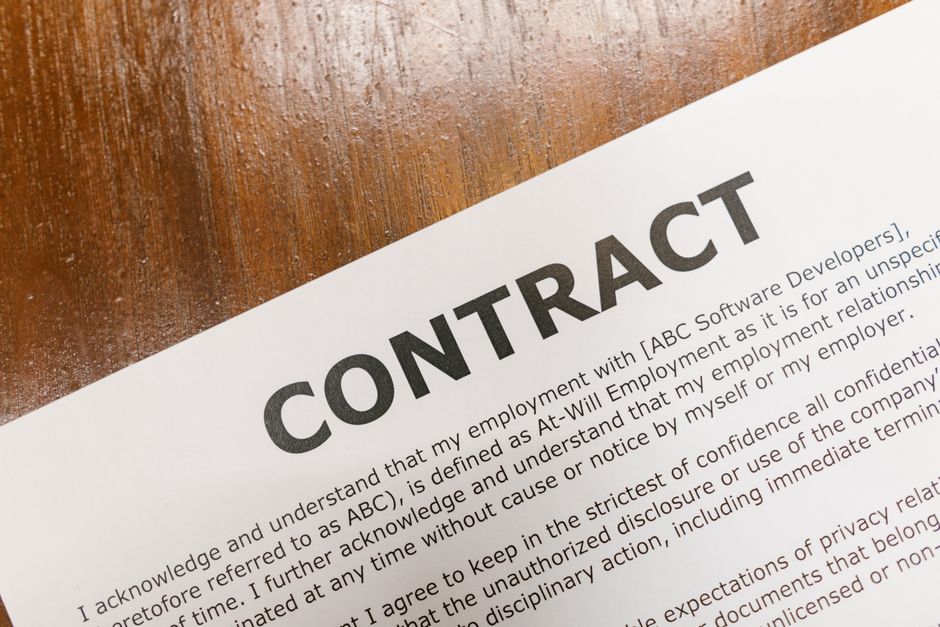
Contracts are legally binding agreements that outline the rights and responsibilities of parties involved. Understanding the legal components of a contract is crucial for ensuring its validity and enforceability. These components typically include offer, acceptance, consideration, legal capacity, and mutual consent. The offer is the proposal made by one party to another, while acceptance signifies agreement to the terms of the offer. Consideration refers to the value exchanged between parties, whether it be money, goods, or services. Legal capacity ensures that all parties are competent to enter into the contract, and mutual consent means that all parties fully understand and agree to the terms.
Benefits of Including Essential Terms
When essential terms are clearly defined in a contract, it helps prevent misunderstandings, disputes, and potential legal issues. By including specific details such as payment terms, deliverables, timelines, and responsibilities, all parties have a clear understanding of their obligations. Clarity in essential terms also provides a framework for resolving conflicts or addressing breaches of contract. By outlining these key elements upfront, parties can avoid uncertainties and ensure that the agreement is mutually beneficial. Including essential terms in a contract not only protects the interests of all parties involved but also helps establish a foundation for a successful business relationship.
Benefits of Including Essential Terms
Contracts are the backbone of any business agreement, laying out the terms and conditions that govern the relationship between parties. By including essential terms in a contract, both parties can mitigate risks and avoid misunderstandings. Clearly defining the obligations, responsibilities, payment terms, and dispute resolution mechanisms can help prevent costly legal battles down the road. Essential terms also provide clarity and certainty, ensuring that both parties are on the same page regarding their rights and obligations. Additionally, including essential terms in a contract can help protect your interests and safeguard against potential breaches or disputes.
Practical Tips for Drafting Agreements
When drafting agreements, it is crucial to pay close attention to detail and specificity. Clearly define the rights and obligations of each party, avoid ambiguous language, and ensure that all essential terms are included. Consider seeking legal advice to ensure that your agreements are legally sound and provide adequate protection. It is also important to review and revise your contracts regularly to reflect any changes in your business or legal requirements. By following these practical tips, you can draft agreements that are clear, enforceable, and tailored to your specific needs.
6. Practical Tips for Drafting Agreements
When drafting agreements, it is crucial to pay attention to detail and ensure clarity in the language used. Begin by clearly defining the parties involved, the scope of the agreement, and the obligations of each party. Use simple and straightforward language to avoid ambiguity and misunderstandings. Consider including specific timelines, performance metrics, and any conditions that must be met for the agreement to be valid.
Consistency is key in drafting agreements. Ensure that the terminology used throughout the document is consistent and aligns with the understanding of both parties. It’s also advisable to include a clause that addresses dispute resolution mechanisms in case disagreements arise. Lastly, always seek legal advice when drafting complex agreements to ensure compliance with relevant laws and regulations.
Conclusion: Ensuring Clarity in Your Contracts
Contracts are the backbone of business relationships, providing a clear framework for parties to operate within. Ensuring clarity in your contracts is crucial to avoid misunderstandings and legal disputes down the line. By clearly outlining the rights, obligations, and responsibilities of each party, you can establish a solid foundation for a successful partnership.
When drafting contracts, precision and detail are key. Make sure all essential terms are included, and that they are clearly defined to prevent ambiguity. Regularly reviewing and updating your contracts can also help adapt to changing circumstances or legal requirements. Remember, a well-crafted contract not only protects your interests but also fosters trust and transparency in your business dealings.