
Are you tired of escalating energy bills and unsustainable heating and cooling systems that seem to never provide the comfort and efficiency you desire? Imagine a solution that taps into the Earth’s own natural energy, offering a sustainable, cost-effective, and environmentally friendly way to regulate your indoor climate. Geothermal heating and cooling systems hold the key to revolutionizing the way we approach home comfort, providing a long-term solution to the problems plaguing traditional HVAC systems.
Picture this: sweltering summers and freezing winters that leave you constantly adjusting your thermostat, only to be met with exorbitant energy bills that strain your budget. The frustration of inefficient heating and cooling systems can take a toll on both your comfort and your wallet. Additionally, the environmental impact of conventional HVAC systems contributes to carbon emissions and further exacerbates the global climate crisis. It’s clear that a new approach is needed to address these pressing issues and create a more sustainable future for our homes and our planet.
Enter geothermal heating and cooling – a game-changing technology that harnesses the Earth’s natural energy to provide consistent, reliable, and energy-efficient climate control for your home. By leveraging the stable temperature of the ground just below the surface, geothermal systems offer a renewable and environmentally friendly alternative to traditional heating and cooling methods. Say goodbye to fluctuating energy costs and hello to a greener, more efficient way of maintaining a comfortable indoor environment. Join the movement towards sustainable living and embrace the power of geothermal energy to transform the way you heat and cool your home.
Benefits of Geothermal Energy for Homeowners
Lower Energy Costs: One of the key benefits of geothermal energy for homeowners is the potential for significant savings on energy bills. Geothermal systems are highly efficient, utilizing the stable temperature of the ground to heat and cool homes, reducing the need for traditional heating and cooling methods that rely on fossil fuels. This can lead to lower monthly utility bills and long-term cost savings for homeowners.
Environmental Sustainability: Another major advantage of geothermal energy is its environmental sustainability. By harnessing the heat from the Earth’s core, geothermal systems produce minimal greenhouse gas emissions compared to conventional heating and cooling systems. This eco-friendly aspect appeals to homeowners who are looking to reduce their carbon footprint and contribute to a cleaner, greener future.
How Geothermal Heat Pumps Work
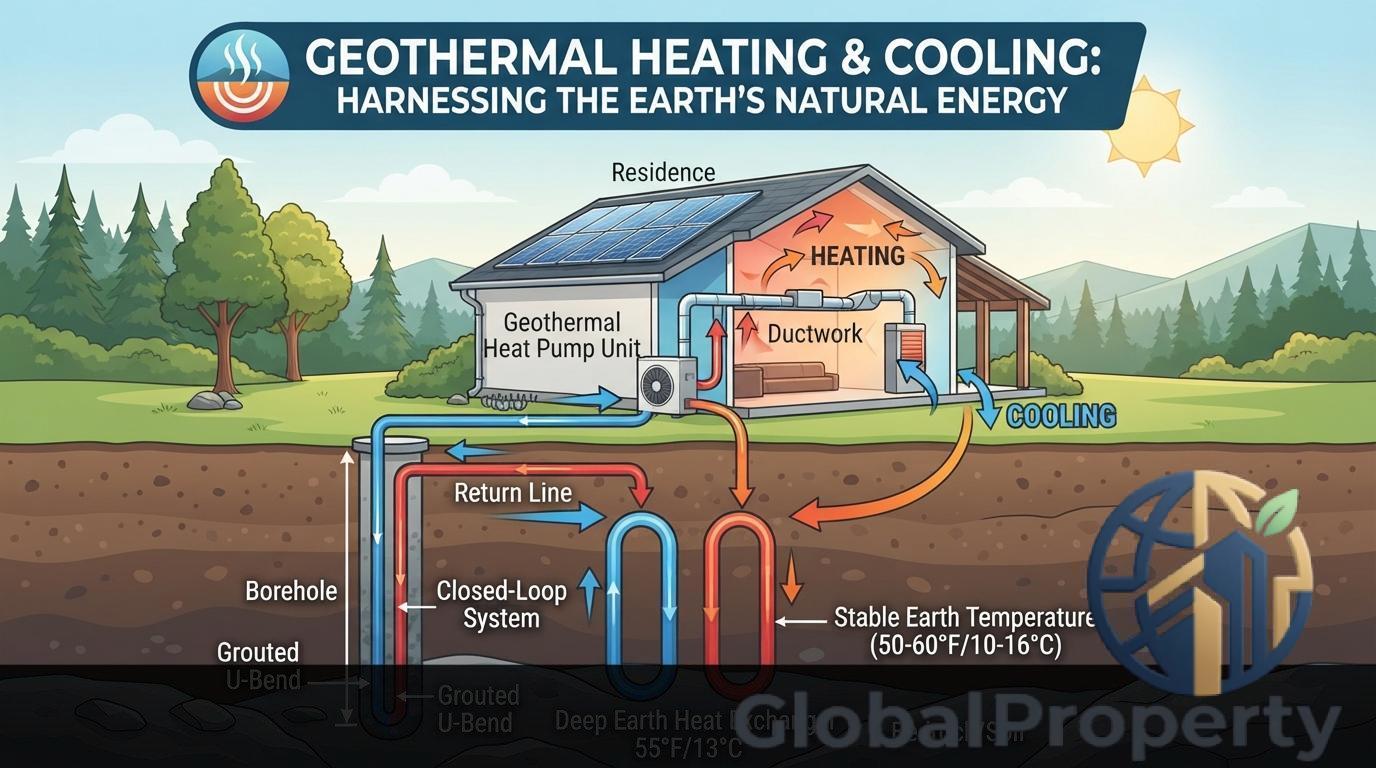
Geothermal heat pumps work by harnessing the constant temperature of the earth to efficiently heat and cool homes. These systems utilize a series of underground pipes filled with a mixture of water and antifreeze, known as the loop system. The fluid in the pipes absorbs heat from the ground during the heating cycle and transfers it to the home through a heat exchanger. Conversely, during the cooling cycle, heat is extracted from the home and transferred back into the ground. This process is highly energy-efficient, as it relies on the earth’s natural thermal energy rather than burning fossil fuels.
Key Components of Geothermal Heat Pumps:
1. Heat Exchanger: This component facilitates the transfer of heat between the underground loop system and the home’s heating/cooling distribution system.
2. Compressor: Responsible for circulating the refrigerant through the system and compressing it to increase its temperature.
3. Air Handler: Distributes the conditioned air throughout the home, whether it is heated or cooled by the geothermal system.
Cost Analysis of Geothermal Heating and Cooling Systems
Geothermal heating and cooling systems are considered a significant investment for homeowners due to their high upfront costs. The initial expense of purchasing and installing a geothermal system can vary depending on factors such as the size of the property, the type of system chosen, and the local geology. However, despite the initial investment, geothermal systems are known for their energy efficiency and cost savings in the long run. Homeowners can expect lower monthly utility bills and potentially qualify for tax incentives or rebates for choosing a renewable energy source like geothermal.
Environmental Impact of Geothermal Energy
One of the key advantages of geothermal energy is its minimal environmental impact compared to traditional heating and cooling systems. Geothermal systems use the Earth’s natural heat to provide heating and cooling for homes, emitting significantly fewer greenhouse gases and pollutants into the atmosphere. By harnessing renewable energy from the ground, geothermal systems contribute to reducing carbon emissions and combating climate change. Additionally, geothermal energy is a sustainable resource that does not rely on fossil fuels, making it an environmentally friendly choice for homeowners looking to reduce their carbon footprint.
Environmental Impact of Geothermal Energy
Geothermal energy is known for its minimal environmental impact compared to traditional heating and cooling systems. Geothermal systems utilize the Earth’s natural heat, which significantly reduces greenhouse gas emissions and reliance on fossil fuels. By harnessing underground heat, geothermal energy eliminates the need for burning fossil fuels like oil or gas, resulting in lower carbon emissions and air pollution.
Moreover, geothermal systems have long lifespans and require minimal land use, making them a sustainable and eco-friendly option for homeowners. The technology behind geothermal energy is continually improving, with innovations focusing on enhancing efficiency and reducing environmental impact even further.
6. Maintenance Tips for Geothermal Systems
Regular Maintenance: Keeping your geothermal heating and cooling system in top condition is essential for its longevity and efficiency. Schedule annual maintenance checks with a qualified technician to inspect the system, clean filters, check refrigerant levels, and ensure all components are functioning correctly.
Monitor Performance: Stay vigilant of any changes in the system’s performance, such as reduced heating or cooling capacity, unusual noises, or increased energy consumption. Addressing these issues promptly can prevent major breakdowns and extend the lifespan of your geothermal system.
7. Future Trends in Geothermal Technology
Advancements in Efficiency: The future of geothermal technology is focused on increasing efficiency and reducing costs. Innovations in heat pump technology, such as variable-speed compressors and advanced control systems, aim to optimize energy usage and enhance overall performance.
Integration with Renewable Energy Sources: As the demand for sustainable energy solutions grows, geothermal systems are being integrated with other renewable energy sources like solar and wind power. This trend towards hybrid systems offers homeowners a comprehensive and eco-friendly approach to heating and cooling their homes.
Future Trends in Geothermal Technology
Geothermal technology continues to evolve, offering exciting advancements and innovations for the future. One prominent trend is the development of next-generation heat pumps that are more efficient and cost-effective than ever before. These advanced systems are designed to maximize energy savings while minimizing environmental impact.
Another key trend in geothermal technology is the integration of smart control systems that allow homeowners to monitor and optimize their heating and cooling systems remotely. These smart technologies not only enhance comfort and convenience but also contribute to overall energy efficiency. As the demand for sustainable energy solutions grows, we can expect to see further breakthroughs in geothermal technology that will revolutionize the way we heat and cool our homes.