
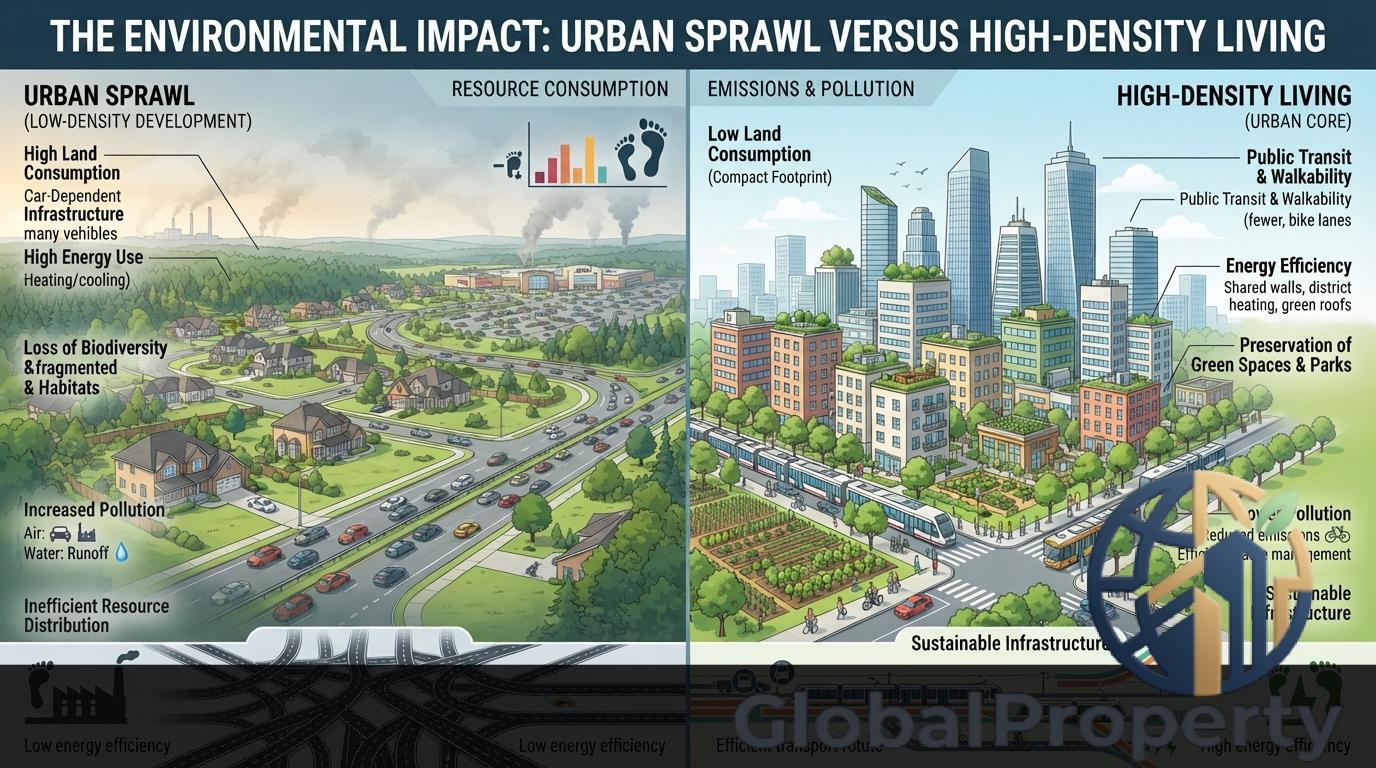
Are you torn between the allure of spacious suburban living and the eco-friendly appeal of high-density urban areas? The clash between urban sprawl and high-density living has become a pressing concern in today’s rapidly growing cities. As urban populations surge, the choices we make regarding our living spaces have far-reaching consequences on the environment. This blog post delves deep into the environmental impact of urban sprawl versus high-density living, shedding light on the complexities of this crucial decision.
Picture this: endless rows of cookie-cutter houses sprawling across once verdant landscapes, devouring natural habitats and increasing carbon emissions with each passing day. The problem of urban sprawl goes beyond just aesthetics; it leads to inefficient land use, longer commutes, and a significant strain on resources. As cities expand outward, the ecological footprint left behind is a stark reminder of the unsustainable path we are treading. The consequences of unchecked urban sprawl are dire, affecting not only the environment but also our quality of life.
But fear not, for there is a beacon of hope amidst the concrete jungle. High-density living offers a compelling solution to the environmental woes exacerbated by urban sprawl. By concentrating living spaces in vertical structures, we can minimize land consumption, promote walkability, and foster a sense of community. Embracing high-density living is not just about compacting people into smaller spaces; it’s about creating sustainable, vibrant neighborhoods that thrive while preserving the environment. Join us on a journey to explore the environmental benefits of high-density living and discover how it can pave the way towards a greener, more livable future.
Urban Sprawl: Definition and Causes
Urban sprawl refers to the unrestricted expansion of urban areas into surrounding rural lands, resulting in the development of low-density communities and infrastructure. Causes of urban sprawl can be attributed to factors such as population growth, economic opportunities in urban centers, lack of proper urban planning, and transportation infrastructure. As cities grow outward, they consume large swathes of land, leading to fragmented communities, increased traffic congestion, and loss of agricultural and natural areas.
High-Density Living: Benefits and Challenges
High-density living involves compact urban development with a mix of residential, commercial, and recreational spaces within a concentrated area. This approach promotes sustainable land use, efficient transportation networks, and vibrant community interactions. Benefits of high-density living include reduced carbon footprint, enhanced walkability, access to amenities, and preservation of green spaces. However, challenges may arise in terms of privacy, noise levels, limited living space, and potential strain on infrastructure and resources in densely populated areas.
Environmental Consequences of Urban Sprawl
Urban sprawl has significant environmental consequences that impact ecosystems, wildlife, and natural resources. One of the main issues is the loss of green spaces and farmland due to continuous expansion of urban areas. This leads to habitat destruction, fragmentation, and loss of biodiversity. Moreover, increased car dependency in sprawling cities contributes to air pollution, greenhouse gas emissions, and traffic congestion, further deteriorating air quality and public health.
Impact on Water Resources
Urban sprawl also poses challenges to water resources through increased impervious surfaces like roads and buildings, which disrupt natural water cycles and lead to water pollution. Runoff from paved areas carries pollutants into streams and rivers, affecting water quality and aquatic life. Additionally, the demand for water in sprawling cities puts pressure on freshwater sources, leading to potential water scarcity issues in the long run.

High-Density Living: Benefits and Challenges
High-density living refers to a residential setting where the population is concentrated in a relatively small area, often in tall buildings or compact housing units. This form of urban development offers several benefits, including efficient land use, reduced resource consumption, and increased access to amenities and services. By promoting walkability and public transportation, high-density living can also help mitigate traffic congestion and air pollution. Furthermore, the close proximity of residents in high-density areas fosters a sense of community and social interaction, contributing to overall well-being.
However, high-density living also poses its own set of challenges. Issues such as noise pollution, lack of privacy, and limited green spaces can impact residents’ quality of life. Ensuring adequate infrastructure, such as parks, recreational areas, and social services, is crucial to support the well-being of individuals living in high-density environments. Additionally, careful urban planning is essential to address concerns related to overcrowding, affordability, and accessibility in high-density living settings.
Comparative Analysis of Environmental Impact
Urban sprawl and high-density living have significant differences in terms of their environmental impact. Urban sprawl, characterized by low-density development and urban expansion into natural areas, leads to increased air and water pollution, loss of biodiversity, and higher energy consumption for transportation. On the other hand, high-density living promotes compact, mixed-use development, which can reduce the need for extensive transportation networks and preserve green spaces. The environmental benefits of high-density living include lower greenhouse gas emissions, reduced land consumption, and efficient use of resources.
When comparing the environmental impact of urban sprawl and high-density living, it is crucial to consider factors such as land use efficiency, transportation emissions, and overall sustainability. While urban sprawl may offer spacious living areas, it comes at the cost of environmental degradation and increased infrastructure requirements. In contrast, high-density living promotes sustainability by encouraging walkability, public transportation use, and resource-efficient development practices, ultimately leading to a reduced environmental footprint.
Case Studies: Urban Sprawl vs High-Density Living
Urban Sprawl: One notable case study of urban sprawl is Los Angeles, where rapid expansion led to increased traffic congestion, air pollution, and loss of natural habitats. The decentralized nature of the city resulted in longer commute times and higher greenhouse gas emissions. On the other hand, sprawling development also provided more affordable housing options for residents, albeit at the cost of increased infrastructure demands.
High-Density Living: Singapore serves as a prime example of successful high-density living. Through careful urban planning and efficient use of space, the city-state accommodates a large population in a small area while maintaining green spaces and efficient public transportation systems. Residents enjoy easy access to amenities, reduced reliance on private vehicles, and lower per capita carbon footprint compared to sprawling cities.
Conclusion and Recommendations
After examining the environmental impact of urban sprawl and high-density living, it is evident that both have their pros and cons. While urban sprawl contributes to increased land consumption, pollution, and habitat destruction, high-density living presents challenges in terms of overcrowding, limited green spaces, and noise pollution. However, high-density living also offers benefits such as reduced carbon footprint, efficient land use, and better access to public transportation.
It is crucial for urban planners and policymakers to strike a balance between urban sprawl and high-density living to create sustainable and livable cities. Recommendations include implementing smart growth strategies, promoting mixed-use developments, investing in green infrastructure, and encouraging community involvement in urban planning decisions. By adopting a holistic approach that considers environmental, social, and economic factors, cities can mitigate the negative impacts of urbanization and pave the way for a more sustainable future.