
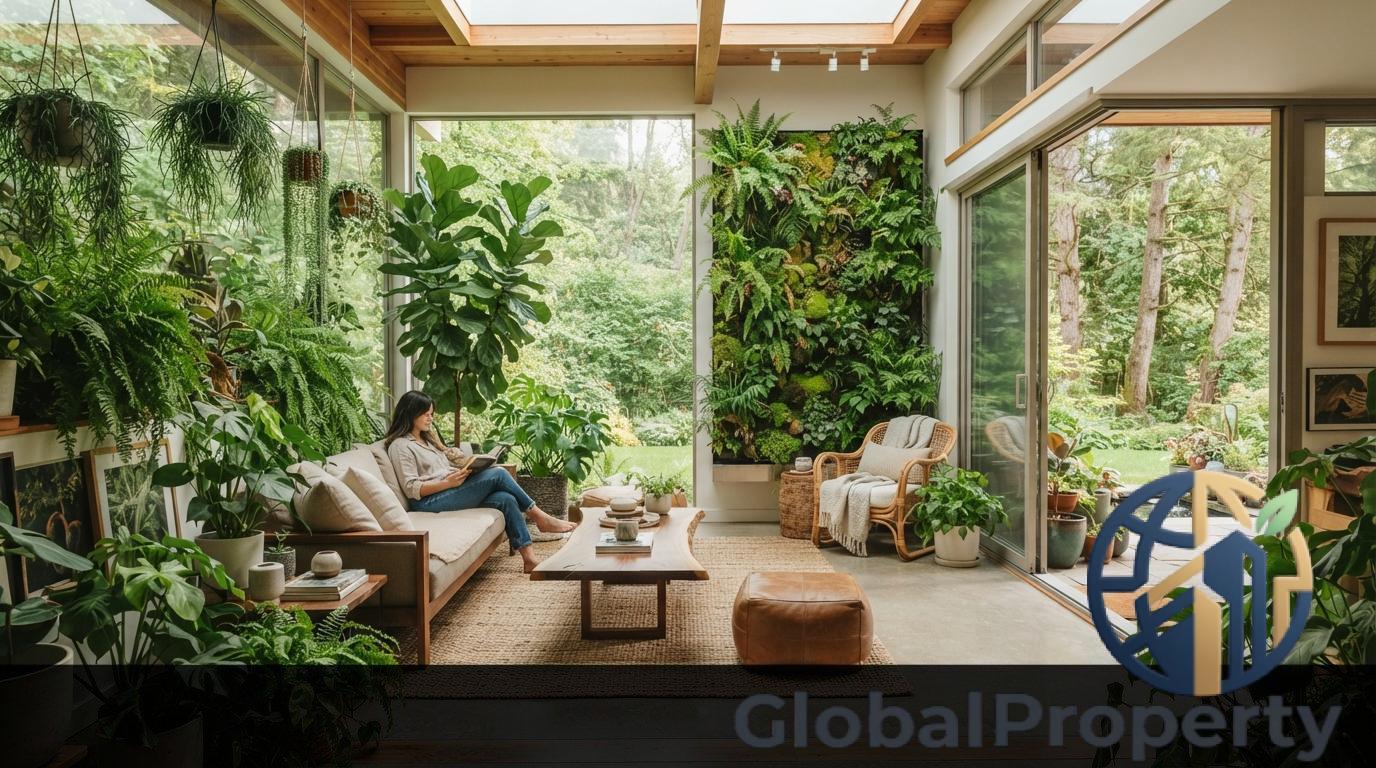
Do you ever find yourself feeling disconnected from nature while spending most of your time indoors? The core problem many of us face in our modern lives is the lack of a meaningful connection to the natural world, especially within our indoor living spaces. This disconnection can lead to feelings of stress, fatigue, and overall dissatisfaction with our environment. The solution to this problem lies in embracing biophilic design, a concept that integrates elements of nature into our indoor spaces to create harmonious and rejuvenating environments.
Imagine coming home after a long day at work to a space that feels sterile, artificial, and devoid of life. The frustration of not having a connection to nature within your living space can manifest in various ways, impacting your mental and emotional well-being. Without the presence of natural elements like plants, sunlight, or flowing water, you may feel a sense of emptiness or lack of vitality in your surroundings. This disconnect from nature can contribute to higher stress levels, reduced productivity, and even feelings of isolation.
But fear not, for there is a transformative solution at hand – biophilic design. By intentionally incorporating elements such as natural light, indoor plants, organic materials, and views of greenery into your home or workspace, you can create environments that not only look beautiful but also promote health and well-being. Embracing biophilic design allows you to reconnect with nature on a daily basis, fostering a sense of calm, inspiration, and vitality in your indoor living spaces. So why not invite the healing power of nature into your home and experience the transformative effects of biophilic design firsthand?
Benefits of Biophilic Design in Indoor Spaces
Biophilic design in indoor spaces offers a myriad of benefits that contribute to the well-being and productivity of occupants. By incorporating elements inspired by nature, such as natural light, greenery, and natural materials, biophilic design has been shown to reduce stress, improve cognitive function, and enhance mood. Studies have demonstrated that exposure to nature within indoor environments can lead to increased creativity, better focus, and overall improved mental health.
Furthermore, biophilic design can have practical advantages as well, such as improving air quality, regulating temperature, and reducing energy consumption. Creating connections to nature within indoor spaces not only enhances the aesthetic appeal but also fosters a sense of harmony and connection with the natural world, ultimately creating healthier and more sustainable environments for individuals to thrive.
Benefits of Biophilic Design in Indoor Spaces
Biophilic design in indoor spaces offers a plethora of benefits that contribute to the overall well-being of occupants. By integrating natural elements such as plants, natural light, and water features, biophilic design can improve air quality, reduce stress levels, and increase productivity. Research has shown that exposure to nature indoors can have a calming effect on individuals, leading to lower blood pressure and improved mental health.
Furthermore, biophilic design has been found to enhance creativity and cognitive function, making it an ideal design strategy for workplaces, educational settings, and healthcare facilities. By creating environments that mimic nature, biophilic design promotes a sense of connection to the natural world, which can have a positive impact on both physical and mental health.
Principles of Biophilic Design
The principles of biophilic design are rooted in the idea of creating spaces that foster a strong connection to nature. This design approach aims to incorporate natural elements, patterns, and materials into the built environment in order to enhance the well-being of occupants. Some key principles of biophilic design include maximizing natural light, incorporating views of nature, and using natural materials such as wood and stone.
Additionally, biophilic design emphasizes the importance of creating spaces that evoke a sense of tranquility and harmony, which can have a profound impact on the mood and behavior of individuals. By following these principles, designers can create indoor spaces that not only look visually appealing but also support the health and well-being of those who inhabit them.
Biophilic Design Elements for Indoor Living
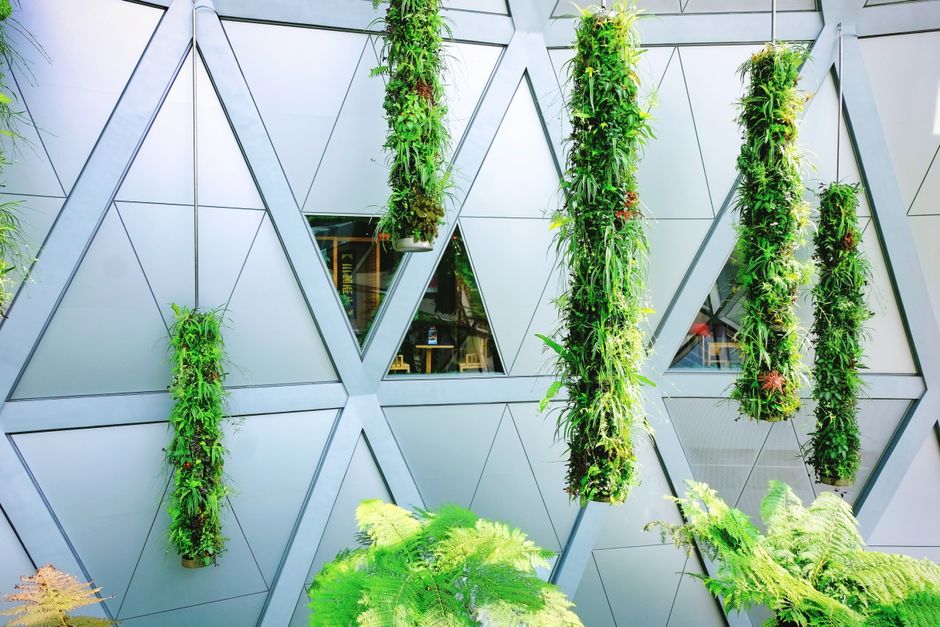
Biophilic design elements for indoor living focus on incorporating natural elements into interior spaces to create a connection with nature. This approach aims to enhance the well-being and productivity of occupants by mimicking natural environments within built environments. Common biophilic design elements include the use of natural materials such as wood, stone, and plants, as well as maximizing natural light and views of greenery. Integrating water features, living walls, and indoor gardens can also bring the benefits of nature indoors.
Natural Materials
Using natural materials like wood and stone in interior design not only adds a touch of warmth and authenticity but also promotes a sense of harmony with the environment. These materials can be incorporated in furniture, flooring, and decor to create a more organic and inviting space. Additionally, natural materials are sustainable and eco-friendly, aligning with the principles of biophilic design.
Case Studies: Successful Biophilic Design Projects
Biophilic design has been successfully implemented in various projects around the world, showcasing its positive impact on indoor spaces. One notable case study is the Amazon Spheres in Seattle, a trio of glass domes filled with plants and trees that serve as workspaces for Amazon employees. This project not only provides a connection to nature for the workers but also enhances creativity, productivity, and overall well-being.
Another inspiring example is the Bosco Verticale in Milan, Italy, which consists of two residential towers covered in over 900 trees, 5,000 shrubs, and 11,000 plants. This innovative design not only improves air quality and biodiversity but also creates a stunning green oasis within an urban environment. These successful biophilic design projects serve as living proof of the transformative power of nature-inspired architecture.
Implementing Biophilic Design in Residential Interiors
Biophilic design in residential interiors focuses on bringing elements of nature into living spaces to enhance well-being and connection to the natural world. Implementing biophilic design principles in homes can lead to improved mental health, increased productivity, and overall better quality of life for residents. By incorporating natural materials, indoor plants, natural light, and views of nature, residential interiors can create a sense of harmony and tranquility.
Designing residential spaces with biophilic principles in mind involves careful consideration of layout, materials, colors, and textures to mimic the patterns and forms found in nature. By creating spaces that evoke a sense of being outdoors, even while indoors, residents can experience the benefits of biophilic design on a daily basis. From incorporating living walls to creating outdoor-indoor transitions, implementing biophilic design in residential interiors can transform homes into sanctuaries that promote health and well-being.
Future Trends in Biophilic Design
Biophilic design is set to revolutionize the way we interact with our indoor environments in the future. As we continue to understand the profound impact of nature on our well-being, the integration of biophilic elements into design will become increasingly prevalent. One of the key trends in biophilic design is the use of advanced technology to simulate natural elements within indoor spaces. Virtual reality, artificial intelligence, and smart biophilic systems will allow for a more immersive and personalized experience, bringing nature closer to us even in the most urban settings.
Another emerging trend is the emphasis on sustainability and eco-conscious design practices in biophilic design. Designers are exploring innovative ways to incorporate natural materials, reduce energy consumption, and create self-sustaining ecosystems within buildings. The future of biophilic design lies in creating harmonious spaces that not only benefit human health and well-being but also contribute to a more sustainable and greener future for our planet.