

Do you ever stop to think about the air you breathe inside your own home? The truth is, the indoor air quality of our living spaces can have a significant impact on our health and well-being. One major contributor to indoor air pollution is the use of traditional paints and finishes that contain harmful chemicals and volatile organic compounds (VOCs). These toxic substances can linger in the air long after the paint has dried, leading to a host of health issues for you and your loved ones.
Imagine coming home after a long day at work, looking forward to relaxing in your cozy living room, only to be greeted by that overpowering smell of fresh paint. Not only is it unpleasant, but it’s also a clear sign that you’re breathing in potentially harmful VOCs. These chemicals have been linked to respiratory problems, headaches, dizziness, and even more serious long-term health effects. The thought of unknowingly exposing yourself and your family to these risks can be truly unsettling.
But fear not, there is a simple yet powerful solution to this problem – choosing non-toxic paints and finishes for your home. By opting for products that are low in VOCs and free from harmful chemicals, you can create a healthier indoor environment for you and your loved ones. Not only will you be safeguarding your health, but you’ll also be doing your part for the environment. So say goodbye to noxious fumes and hello to a breath of fresh air in your home – literally!
Importance of Non-Toxic Paints and Finishes
Non-toxic paints and finishes play a crucial role in maintaining healthy indoor air quality in homes and buildings. Traditional paints and finishes often contain harmful chemicals known as volatile organic compounds (VOCs) that can off-gas into the air, leading to a range of health issues such as respiratory problems, headaches, and allergies. By choosing non-toxic options, you can significantly reduce indoor air pollution and create a safer environment for yourself and your family.
Moreover, non-toxic paints and finishes are not only better for your health but also for the environment. These eco-friendly alternatives are typically made from natural ingredients, have low or zero VOC levels, and are biodegradable, making them a sustainable choice for conscious consumers looking to minimize their carbon footprint.
Eco-Friendly Alternatives for Indoor Air Quality
When it comes to improving indoor air quality, opting for eco-friendly alternatives is key to creating a healthier living space. Eco-friendly paints and finishes are made from renewable resources, such as plant-based oils and natural pigments, reducing the reliance on harmful chemicals found in traditional products. These alternatives not only help to reduce indoor air pollution but also contribute to a more sustainable lifestyle.
Furthermore, eco-friendly paints and finishes come in a wide range of colors and finishes, allowing you to express your personal style while also prioritizing the health and well-being of your indoor environment. By making the switch to eco-friendly options, you can enjoy a beautiful and healthy home that benefits both you and the planet.
Benefits of Choosing Non-Toxic Options
Non-toxic paints and finishes offer a wide range of benefits for both your health and the environment. By opting for non-toxic options, you can significantly reduce indoor air pollution and create a safer living environment for you and your family. These products are free from harmful chemicals such as volatile organic compounds (VOCs) and formaldehyde, which can lead to respiratory issues and other health problems. Additionally, non-toxic paints and finishes are often odorless or have minimal odor, making them a more pleasant and comfortable choice for your home. Choosing non-toxic options also contributes to sustainability efforts, as they are typically made from natural and renewable resources, further reducing your carbon footprint.
Eco-Friendly Alternatives for Indoor Air Quality
When it comes to improving indoor air quality, eco-friendly alternatives play a crucial role in creating a healthier living space. Consider using low-VOC or zero-VOC paints and finishes, which release fewer harmful chemicals into the air compared to traditional products. Look for products that are labeled as eco-friendly, sustainable, or made from natural ingredients. These alternatives not only help reduce indoor air pollution but also support environmentally conscious practices. Additionally, incorporating plants into your indoor space can further enhance air quality by naturally filtering out toxins and improving overall air circulation. By choosing eco-friendly alternatives, you can promote a healthier home environment while also supporting sustainable practices.
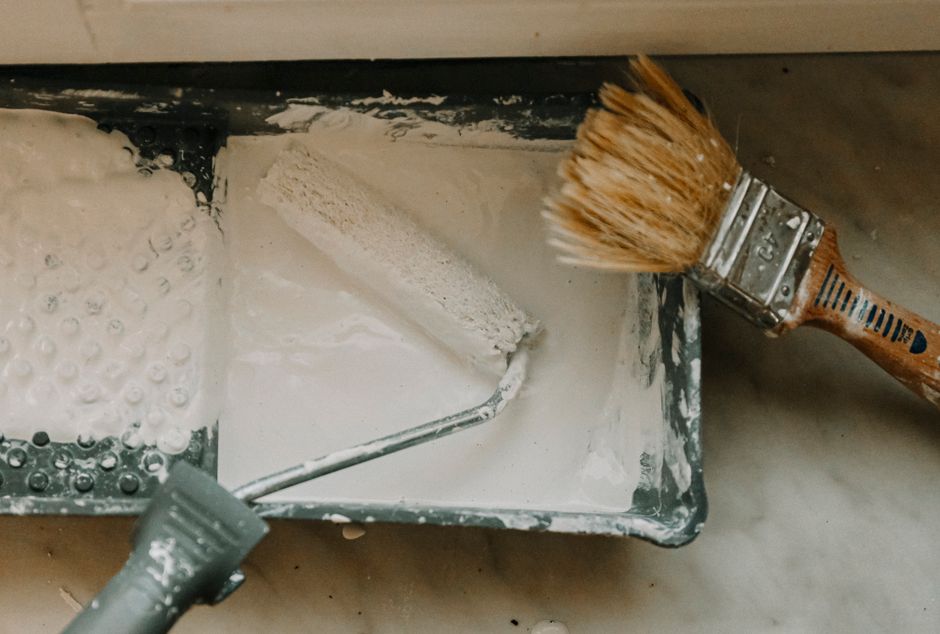
Importance of Non-Toxic Paints and Finishes
Non-toxic paints and finishes play a crucial role in maintaining a healthy indoor environment. Conventional paints often contain harmful volatile organic compounds (VOCs) that can off-gas for years after application, contributing to indoor air pollution. By choosing non-toxic options, you can reduce exposure to these harmful substances, promoting better indoor air quality for you and your family. Additionally, non-toxic paints are environmentally friendly, as they have lower levels of VOCs and are often made from natural, sustainable ingredients.
Benefits of Choosing Non-Toxic Options
Opting for non-toxic paints and finishes offers a wide range of benefits beyond just improved indoor air quality. These products are often low odor, making them more pleasant to work with during painting projects. Non-toxic options are also durable and long-lasting, providing excellent coverage and color retention. Furthermore, choosing non-toxic paints supports sustainability efforts by reducing the overall environmental impact of your home improvement projects. Overall, the benefits of selecting non-toxic options extend far beyond just creating a healthier indoor environment.
5. Eco-Friendly Alternatives for Indoor Air Quality
Creating a healthier indoor environment starts with choosing eco-friendly alternatives for improving air quality. Opting for natural materials such as bamboo flooring, wool carpets, and organic cotton upholstery can reduce the presence of harmful chemicals in your home. Incorporating houseplants like peace lilies, spider plants, and aloe vera can also help purify the air by absorbing toxins and releasing oxygen.
Additionally, considering air purifiers and natural air fresheners can further enhance the quality of indoor air. Look for air purifiers with HEPA filters to trap particles like dust, pollen, and pet dander, providing cleaner air for your family. Using essential oils or homemade air fresheners made from natural ingredients like vinegar, baking soda, and citrus fruits can eliminate the need for chemical-laden sprays, contributing to a safer and fresher living space.
6. Tips for Painting Your Home Safely
Painting your home can be a satisfying project, but it’s essential to prioritize safety, especially when it comes to indoor air quality. Before starting, ensure proper ventilation by opening windows and using fans to circulate fresh air. Choose a well-ventilated area to work in and consider wearing a mask to avoid inhaling harmful fumes. When selecting paints and finishes, opt for non-toxic options to reduce the release of volatile organic compounds (VOCs) into the air.
Additionally, take breaks during painting to prevent exposure to chemicals for extended periods. Clean up spills promptly and dispose of paint materials responsibly according to local regulations. By following these tips, you can create a healthier indoor environment for you and your family while giving your home a fresh new look.
7. Maintaining Healthy Indoor Air with Non-Toxic Products
Indoor air quality plays a crucial role in the overall health and well-being of occupants. Using non-toxic products in your home is a key step towards ensuring a healthy indoor environment. Non-toxic paints and finishes are designed to minimize harmful emissions of volatile organic compounds (VOCs), which can have negative effects on respiratory health and contribute to indoor air pollution. By choosing non-toxic options, you can reduce exposure to harmful chemicals and create a safer living space for you and your family.
Implementing non-toxic products
When it comes to maintaining healthy indoor air, it’s essential to consistently use non-toxic cleaning products, air fresheners, and other household items. Opt for products labeled as “low VOC” or “VOC-free” to minimize indoor air pollutants. Regularly ventilate your home by opening windows and using exhaust fans to promote air circulation. Additionally, consider incorporating indoor plants, which can naturally filter the air and improve overall air quality. By making conscious choices in the products you use, you can take proactive steps towards maintaining a healthy indoor environment.