
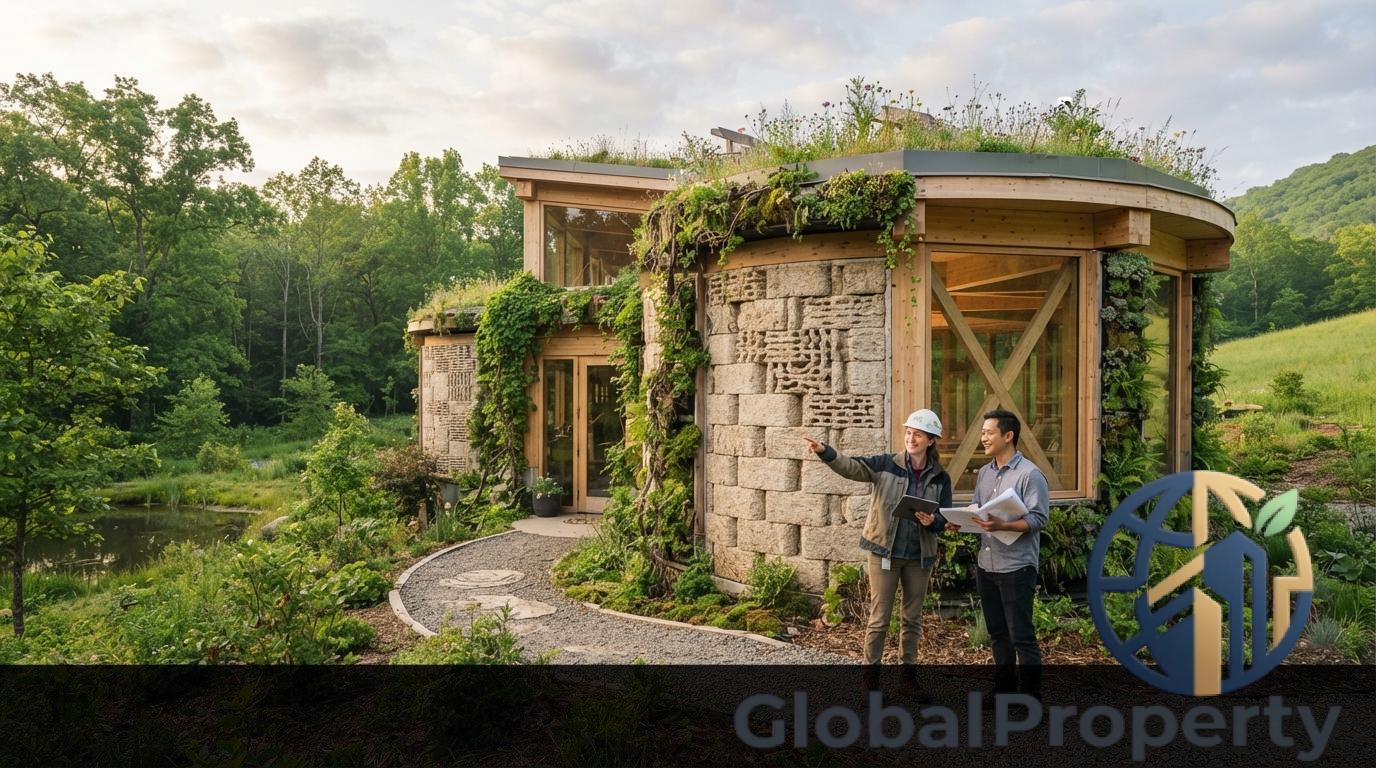
Imagine a world where our cities are not only structures of steel and concrete but living, breathing entities that coexist harmoniously with nature. The current problem we face with traditional building materials, such as concrete, is their environmental impact. Concrete production releases a significant amount of carbon dioxide into the atmosphere, contributing to climate change. This dilemma begs the question: what comes after concrete?
As we continue to build and expand our urban landscapes, the consequences of sticking to conventional building materials are becoming more apparent. From deforestation for sourcing materials to the emission of greenhouse gases during production, the environmental toll is undeniable. The degradation of ecosystems, loss of biodiversity, and the looming threat of climate change are all exacerbated by our reliance on non-sustainable building practices.
The solution lies in embracing biodegradable building materials that offer a sustainable alternative to concrete. Imagine structures that not only provide shelter but also enrich the environment, promoting biodiversity and reducing our carbon footprint. By exploring innovative materials like bamboo, hempcrete, and mycelium-based composites, we can pave the way for a greener future in construction. Join us on this journey as we delve into the world of biodegradable building materials and discover the possibilities that lie beyond concrete.
Importance of Biodegradable Building Materials
Biodegradable building materials play a crucial role in sustainable construction practices. As the world grapples with environmental challenges, the use of biodegradable materials in building construction has gained significant importance. These materials are designed to decompose naturally over time, reducing the impact on the environment and promoting eco-friendly building practices. By choosing biodegradable building materials, construction projects can contribute to reducing waste, carbon footprint, and overall environmental impact.
Advantages and Disadvantages
Advantages:
Biodegradable building materials offer several advantages over traditional construction materials. They are renewable, sustainable, and have a lower environmental impact. These materials also promote healthier indoor air quality and can be cost-effective in the long run. Additionally, using biodegradable materials can help reduce waste and promote a more circular economy.
Disadvantages:
However, there are also some disadvantages to consider when using biodegradable building materials. These materials may have limitations in terms of strength, durability, and availability. Special care and maintenance may be required to ensure their longevity and performance. Additionally, some biodegradable materials may have higher upfront costs compared to traditional alternatives.
Importance of Biodegradable Building Materials
Biodegradable building materials play a crucial role in sustainable construction practices. These materials are designed to decompose naturally over time, minimizing environmental impact and reducing waste. By using biodegradable materials in construction, we can help reduce the carbon footprint associated with traditional building methods. Additionally, biodegradable materials often have lower embodied energy compared to conventional building materials, making them a more eco-friendly choice for construction projects.
Types of Biodegradable Building Materials
There are several types of biodegradable building materials available for construction projects. These include materials such as biodegradable plastics, bamboo, straw bales, hempcrete, and recycled paper insulation. Each of these materials offers unique properties that make them suitable for various applications in construction. Biodegradable plastics, for example, can be used for insulation and structural components, while bamboo is a versatile material that can be used for flooring, walls, and even structural elements. By exploring the different types of biodegradable building materials, architects and builders can create sustainable and environmentally friendly structures.
Importance of Biodegradable Building Materials
Biodegradable building materials play a crucial role in sustainable construction practices by reducing the environmental impact of the construction industry. These materials are designed to decompose naturally over time, minimizing waste and pollution. By using biodegradable materials, builders can contribute to the conservation of natural resources and reduce the carbon footprint of construction projects. Additionally, biodegradable materials can help improve indoor air quality and create healthier living environments for occupants.
Types of Biodegradable Building Materials
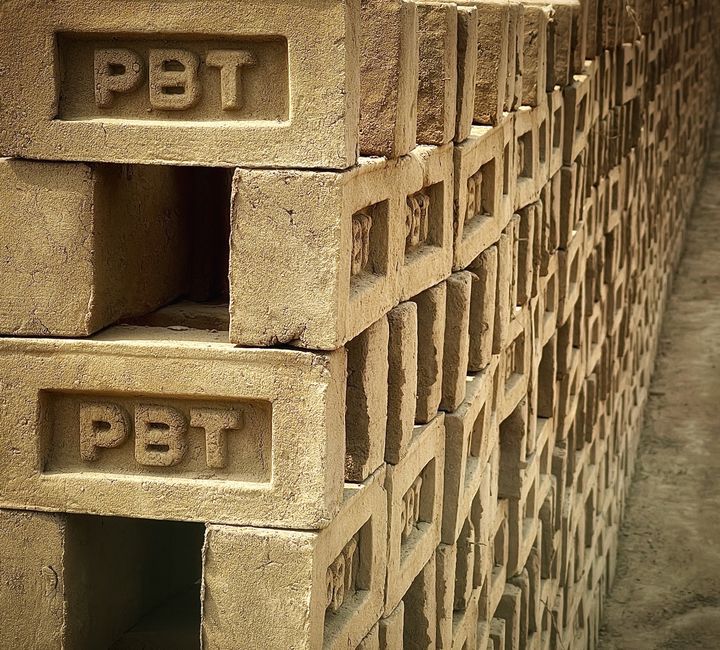
There are various types of biodegradable building materials available in the market, including straw bales, bamboo, cork, recycled paper, and mycelium-based materials. These materials offer sustainable alternatives to traditional construction materials like concrete, steel, and plastic. Each type of biodegradable material has unique properties that make it suitable for specific applications in construction, such as insulation, structural support, or finishing. Builders can choose from a wide range of biodegradable materials to meet their project requirements while promoting environmental stewardship.
Advantages and Disadvantages
Advantages
The use of biodegradable building materials offers several advantages, including reduced environmental impact, improved energy efficiency, and enhanced indoor air quality. These materials are often renewable, recyclable, and biodegradable, making them a sustainable choice for construction projects. Biodegradable materials can also help builders achieve green building certifications and comply with environmental regulations.
Disadvantages
However, there are also disadvantages associated with biodegradable building materials, such as higher initial costs, limited availability, and potential durability issues. Some biodegradable materials may require special handling or maintenance to ensure their longevity and performance. Builders need to carefully evaluate the pros and cons of using biodegradable materials in their projects to make informed decisions that balance sustainability with practicality.
Case Studies
Case studies provide real-world examples of how biodegradable building materials have been successfully used in construction projects. One notable case study involves a residential development in a coastal area that utilized biodegradable materials for its structures. The project aimed to minimize environmental impact and reduce carbon footprint by using materials that decompose naturally over time. Through careful selection and implementation of biodegradable materials, the project achieved sustainable construction practices while maintaining structural integrity and durability.
Future Trends
Future trends in the construction industry point towards a greater emphasis on sustainability and eco-friendly practices, including the widespread adoption of biodegradable building materials. As environmental concerns continue to grow, builders and developers are exploring innovative ways to reduce waste and minimize ecological footprint. The use of biodegradable materials is expected to increase significantly in the coming years, driven by advancements in technology and a shift towards more environmentally conscious building practices. This trend is likely to reshape the construction landscape, leading to a more sustainable and greener future for the industry.
Future Trends
As the construction industry continues to prioritize sustainability, the future trends in biodegradable building materials are promising and exciting. Innovations in materials science are leading to the development of new biodegradable alternatives that offer improved strength, durability, and insulation properties. These materials are not only environmentally friendly but also cost-effective, making them attractive options for builders and developers.
Furthermore, advancements in technology are enabling the creation of biodegradable materials that can be customized to meet specific project requirements. From bioplastics to bio-based insulation materials, the possibilities for incorporating biodegradable building materials into construction projects are expanding rapidly. With a growing focus on reducing carbon footprints and minimizing environmental impact, biodegradable building materials are set to play a key role in shaping the future of sustainable construction practices.
Conclusion
Biodegradable building materials offer a sustainable solution for the construction industry, addressing the pressing need to reduce environmental impact and promote eco-friendly practices. By utilizing materials that can naturally decompose without harming the environment, builders can contribute to a greener future and minimize waste generation. It is crucial for the industry to embrace biodegradable building materials as a standard practice to ensure long-term sustainability and mitigate the negative effects of traditional construction methods.