
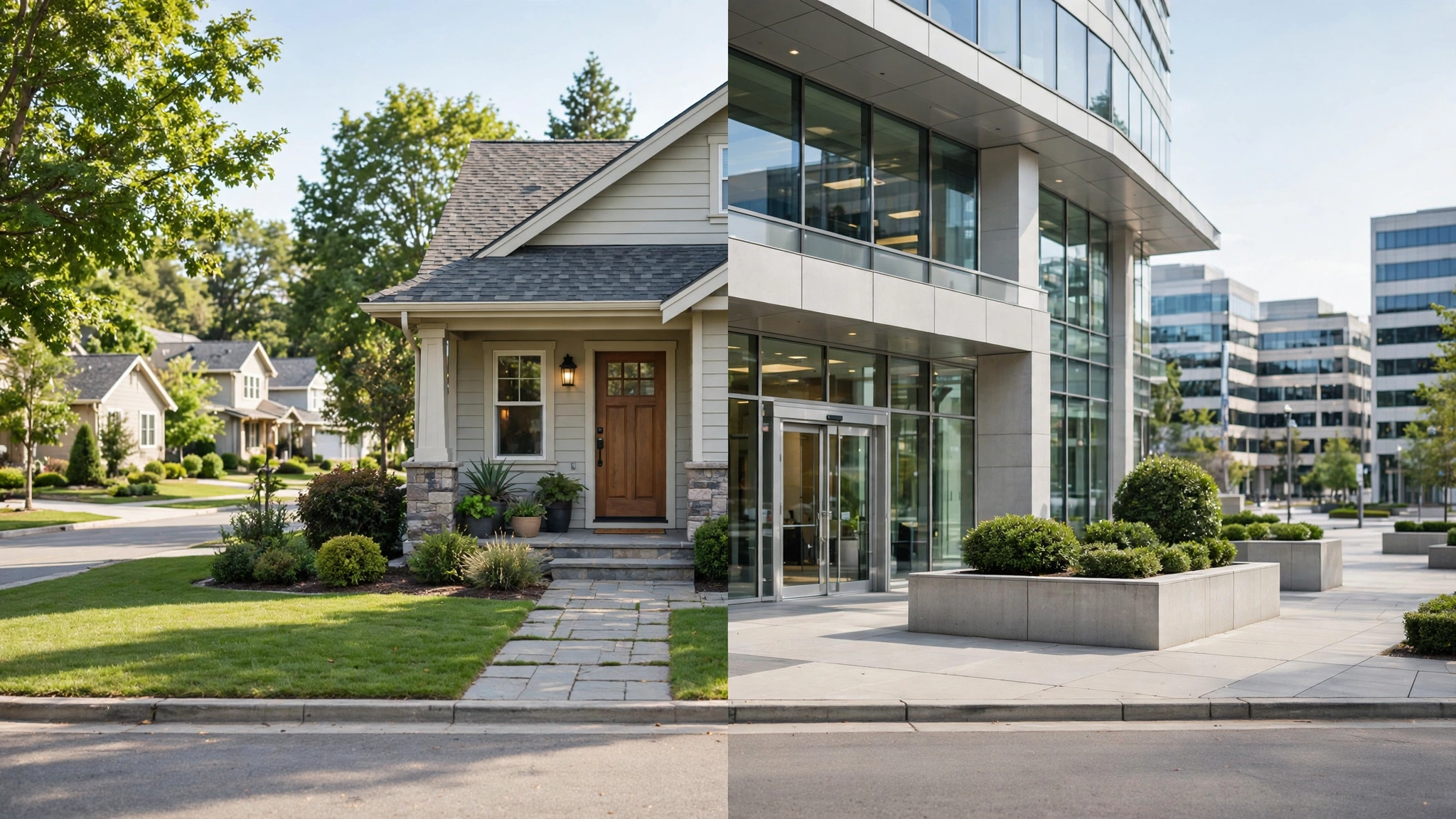
Are you torn between investing in residential or commercial real estate? It’s a conundrum many aspiring real estate investors face when charting their long-term financial goals. The core problem lies in understanding which type of property aligns best with your investment strategy and objectives. Choosing the wrong path could lead to missed opportunities, financial setbacks, or even stagnation in your wealth-building journey.
Imagine the frustration of pouring your hard-earned money into a residential property, only to realize later that commercial real estate could have provided higher returns and greater stability. The consequences of not making an informed decision are significant – you could be stuck with a property that drains your resources rather than growing your wealth. The uncertainty and anxiety that come with choosing the wrong real estate avenue can be overwhelming, leaving you second-guessing your investment decisions and hindering your financial progress.
But fret not, as there is a solution to this dilemma. By delving deep into the nuances of residential and commercial real estate, understanding their unique benefits and risks, and aligning them with your long-term financial goals, you can make an informed choice that sets you on the path to success. Whether you aim for steady rental income from residential properties or prefer the potentially higher returns of commercial ventures, this blog post will guide you through the intricacies of each sector, empowering you to make a confident and strategic decision that propels you towards your wealth-building aspirations. So, let’s embark on this enlightening journey together and unlock the key to realizing your long-term investment goals in the dynamic world of real estate.
Understanding Residential Real Estate
Residential real estate refers to properties primarily designed for individuals and families to live in. This sector includes single-family homes, condominiums, townhouses, and apartment buildings. Investing in residential real estate can provide a steady rental income stream and potential long-term appreciation in value. Additionally, residential properties offer the opportunity for homeownership, which can lead to personal fulfillment and financial security. Understanding the local housing market, rental demand, and property management are crucial factors for success in residential real estate investing.
Understanding Commercial Real Estate
Commercial real estate encompasses properties used for business purposes, such as office buildings, retail spaces, industrial warehouses, and hotels. Investing in commercial real estate can offer higher potential returns compared to residential properties, but it also comes with higher risks and complexities. Commercial real estate investments often involve longer lease terms, higher maintenance costs, and fluctuating market conditions. Understanding the specific needs of commercial tenants, location factors, and market trends is essential for making informed investment decisions in this sector.
Pros and Cons of Investing in Residential Real Estate
Residential real estate investing offers a range of advantages, including consistent cash flow from rental income, potential appreciation of property value over time, and tax benefits such as deductions for mortgage interest and property taxes. Additionally, residential properties provide a tangible asset that can be leveraged for further investments or as a form of security. On the downside, investing in residential real estate requires a significant initial capital investment, ongoing maintenance costs, and the potential challenges of dealing with tenants, vacancies, and market fluctuations.
Pros:
1. **Steady rental income**
2. **Potential property value appreciation**
3. **Tax benefits**
4. **Tangible asset for leverage**
Cons:
1. **High initial capital investment**
2. **Ongoing maintenance costs**
3. **Tenant and vacancy management**
4. **Market volatility risks**

Understanding Commercial Real Estate
Commercial real estate refers to properties used for business purposes, such as office buildings, retail spaces, and industrial facilities. Investing in commercial real estate can offer attractive returns and diversification opportunities for investors. Commercial properties are typically leased out to businesses, providing a steady stream of rental income. Additionally, the value of commercial real estate tends to appreciate over time, making it a valuable asset for long-term investment strategies.
Types of Commercial Real Estate
There are several types of commercial real estate, including office buildings, retail properties, industrial spaces, and multifamily properties. Each type of commercial property has its own unique characteristics and potential benefits for investors. Office buildings, for example, are often located in prime business districts and can generate high rental income, while retail properties may offer stable returns due to long-term lease agreements with tenants.
Risks and Rewards
While commercial real estate can be a lucrative investment, it also comes with risks. Market fluctuations, economic downturns, and changes in local regulations can impact the performance of commercial properties. Investors should carefully assess the potential risks and rewards of investing in commercial real estate before making any decisions. Conducting thorough due diligence, working with experienced professionals, and diversifying investments can help mitigate risks and maximize returns in the commercial real estate sector.
Pros and Cons of Investing in Commercial Real Estate
Commercial real estate offers unique opportunities for investors looking to diversify their portfolio and generate significant returns. One of the main advantages of investing in commercial properties is the potential for higher rental income compared to residential properties. Commercial leases are typically longer-term and tenants are responsible for a larger portion of maintenance and operating costs, providing a more stable income stream for investors.
On the other hand, commercial real estate investments can be more complex and require a higher level of expertise to manage effectively. Vacancy rates in commercial properties can also be higher than in residential properties, leading to potential periods of no income. Additionally, economic downturns can have a greater impact on commercial real estate values, making it a riskier investment compared to residential properties.
Factors to Consider for Long-Term Goals
When considering long-term investment goals, it is important to take into account factors such as market trends, economic conditions, and personal risk tolerance. Investing in real estate, whether residential or commercial, requires a long-term perspective to realize the full potential of the investment. Conducting thorough market research and seeking professional advice can help investors make informed decisions that align with their long-term financial objectives.
Factors to Consider for Long-Term Goals
Real estate investment can be a powerful tool for achieving long-term financial goals. When considering long-term goals in real estate, it is crucial to assess various factors that can impact the success of your investment. One key factor is the location of the property. Choosing a property in a desirable location with strong growth potential can lead to increased property value over time.
Another important consideration is the type of property you invest in. Whether residential or commercial, each type comes with its own set of pros and cons that can influence your long-term goals. Additionally, understanding market trends and economic conditions can help you make informed decisions for long-term success in real estate investment.
Factors to Consider for Long-Term Goals
When it comes to real estate investment, having a clear understanding of your long-term goals is crucial. One of the key factors to consider is the location of the property. Investing in a growing area with a strong job market and amenities can increase the property’s value over time. Additionally, considering the potential for rental income and property appreciation is essential for long-term financial planning.
Another important factor to consider is the condition of the property. Investing in properties that require significant repairs or renovations may impact your long-term goals and financial stability. It’s essential to conduct thorough due diligence and inspections to ensure the property aligns with your investment strategy and long-term objectives.
Conclusion
In conclusion, investing in real estate, whether residential or commercial, can be a lucrative opportunity for building wealth and achieving long-term financial goals. Understanding the pros and cons of each type of real estate investment, as well as considering factors such as location, property condition, and rental potential, are key to making informed investment decisions. By carefully evaluating these factors and setting clear long-term goals, investors can maximize the potential returns and benefits of their real estate investments.