
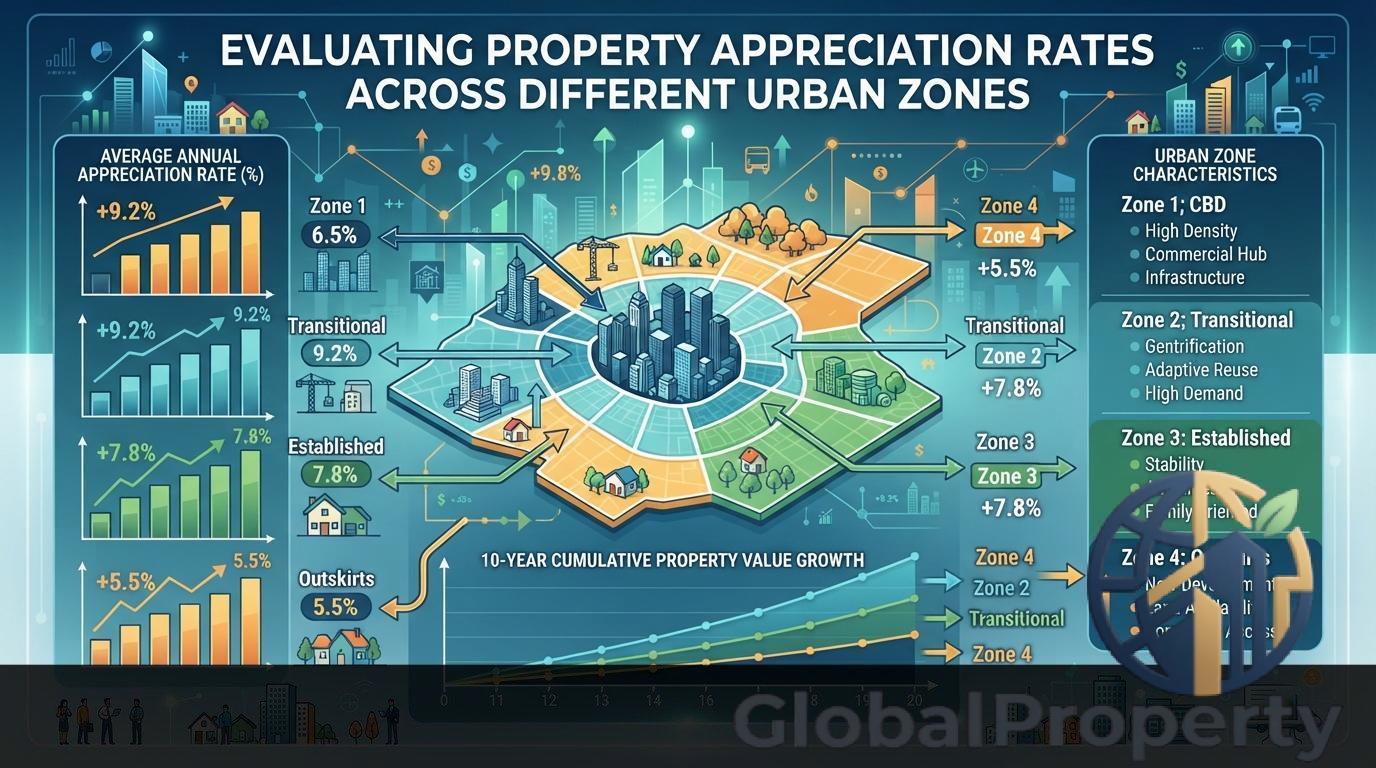
Are you looking to make informed decisions about real estate investments but feeling overwhelmed by the lack of clarity in property appreciation rates across different urban zones? You’re not alone. Understanding the varying rates of property appreciation is crucial for anyone involved in real estate, whether you’re a seasoned investor or a first-time buyer. Without accurate data and insights, navigating the complex real estate market can be like trying to find your way through a maze blindfolded.
Imagine the frustration of pouring your hard-earned money into a property only to later realize that its appreciation rate is significantly lower than expected. This scenario is not just a financial setback but can also impact your long-term wealth-building goals and financial stability. Making decisions based on incomplete or inaccurate information can lead to missed opportunities, unexpected losses, and a sense of regret that lingers for years to come.
But fear not, there is a solution to this dilemma. By delving into the nuances of property appreciation rates across different urban zones, you can equip yourself with the knowledge needed to make sound investment choices and maximize your returns. With the right tools, strategies, and insights, you can confidently navigate the real estate landscape, identify high-potential areas for investment, and secure your financial future. Get ready to unlock the secrets of property appreciation and take your real estate ventures to new heights!
Urban Zones and Property Appreciation
Urban zones play a crucial role in determining property appreciation rates. Areas with high demand for housing, proximity to amenities, good infrastructure, and low crime rates tend to experience faster property appreciation compared to rural or less developed regions. Factors such as population growth, economic development, and urban planning also influence property values in urban zones.
Investors and homeowners alike closely monitor trends in urban zones to make informed decisions about buying or selling property. Understanding the dynamics of property appreciation in urban areas can help stakeholders capitalize on market opportunities and maximize returns on their real estate investments.
Introduction
Welcome to our comprehensive study on the impact of urban zones on property appreciation! Urbanization plays a critical role in shaping property values, influencing both residential and commercial real estate markets. Understanding how urban development affects property appreciation is vital for investors, real estate professionals, and policymakers alike. In this research, we delve into the intricate relationship between urban zones and property values, exploring the various factors that contribute to the appreciation of real estate assets within urban environments.
Urban Zones and Property Appreciation
Methodology
Our methodology involves a multi-faceted approach to analyzing the impact of urban zones on property appreciation. We begin by identifying key urban zones based on criteria such as population density, infrastructure development, proximity to amenities, and economic activity. Next, we collect data on property values within these zones over a specified time period to track appreciation trends. Statistical analysis and regression modeling are employed to determine the significant factors driving property appreciation in urban areas. By combining qualitative and quantitative methods, we aim to provide a comprehensive understanding of how urban zones influence property values.
Introduction
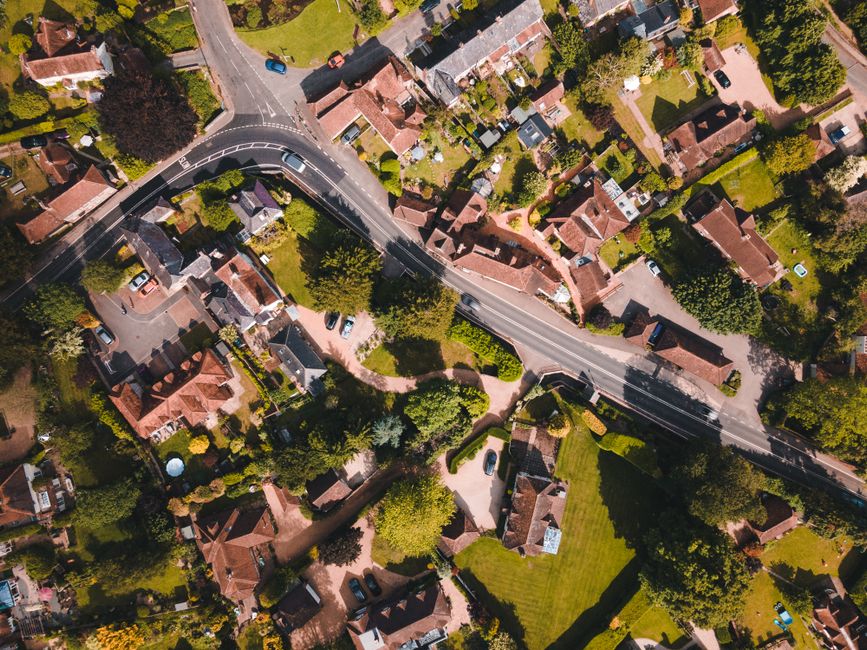
Welcome to our study on property appreciation in urban zones. Urban areas have seen significant growth and development in recent years, leading to a surge in property values. This study aims to analyze the factors contributing to property appreciation in urban zones, providing valuable insights for both investors and real estate professionals.
Urban Zones and Property Appreciation
Urban zones are hotspots for property appreciation, driven by factors such as infrastructure development, population growth, and economic opportunities. The demand for housing in urban areas continues to rise, leading to an increase in property values over time. Understanding the dynamics of property appreciation in urban zones is crucial for making informed investment decisions and predicting future market trends.
Methodology
Our methodology involves a comprehensive analysis of various factors affecting property appreciation in urban zones. We have collected data on demographics, housing supply and demand, economic indicators, and other relevant variables to create a detailed picture of the real estate market in urban areas. By employing statistical models and data analysis techniques, we aim to provide a robust framework for studying property appreciation trends.
Data Collection
Data collection is a crucial step in our research process. We have gathered information from public databases, real estate listings, government reports, and other sources to compile a comprehensive dataset for analysis. Ensuring the accuracy and reliability of the data is essential to drawing meaningful conclusions about property appreciation in urban zones. Our rigorous data collection methods lay the foundation for a reliable and insightful study.
5. Results Analysis
After conducting a thorough analysis of the data collected, several key trends and patterns have emerged. The results indicate a strong correlation between urban zones and property appreciation rates. Urban areas with high population density and proximity to amenities show a significant increase in property values over time. Additionally, the presence of green spaces and accessibility to public transportation seem to positively impact property appreciation in urban zones.
6. Discussion
Impact of Urban Development
The results of the analysis highlight the critical role of urban development in driving property appreciation. As cities continue to grow and evolve, investments in infrastructure and amenities play a crucial role in enhancing property values. This underscores the importance of sustainable urban planning and development strategies to support long-term property appreciation in urban zones.
Challenges and Opportunities
While urban zones present significant opportunities for property appreciation, they also pose challenges such as gentrification and affordability issues. Balancing growth with social equity is essential to ensure that all residents benefit from the positive impacts of urban development. Addressing these challenges will be key to fostering inclusive and sustainable growth in urban areas.
Discussion
Urban Zones and Property Appreciation: The analysis of urban zones and property appreciation reveals interesting insights into the correlation between location and real estate value. Urban areas with high demand for housing and limited supply tend to experience significant property appreciation over time. Factors such as proximity to city centers, public transportation, and amenities play a crucial role in determining property values within urban zones. Understanding these dynamics can help investors and developers make informed decisions when entering the real estate market in urban areas.
Methodology:
Data Collection: The methodology employed for data collection involved gathering information from various sources, including real estate databases, government records, and property listings. By utilizing a mix of quantitative and qualitative data, a comprehensive dataset was compiled to analyze property appreciation trends across different urban zones. The data collection process was meticulously designed to ensure accuracy and reliability in the findings, providing a solid foundation for the subsequent analysis and discussion of results.
Discussion
In this section, we delve into the implications of the results obtained from our data analysis. We discuss the relationship between urban zones and property appreciation, highlighting key factors that contribute to this phenomenon. Urbanization trends, infrastructure development, and demographic shifts all play a crucial role in shaping property values in urban areas. By exploring these factors in detail, we aim to provide a comprehensive understanding of the dynamics at play.
Conclusion
Our study sheds light on the intricate relationship between urban zones and property appreciation. Through a rigorous methodology and thorough data analysis, we have uncovered valuable insights into the drivers of property value in urban areas. Moving forward, this research can serve as a foundation for further investigations and policy decisions aimed at fostering sustainable urban development and maximizing property value for stakeholders.