
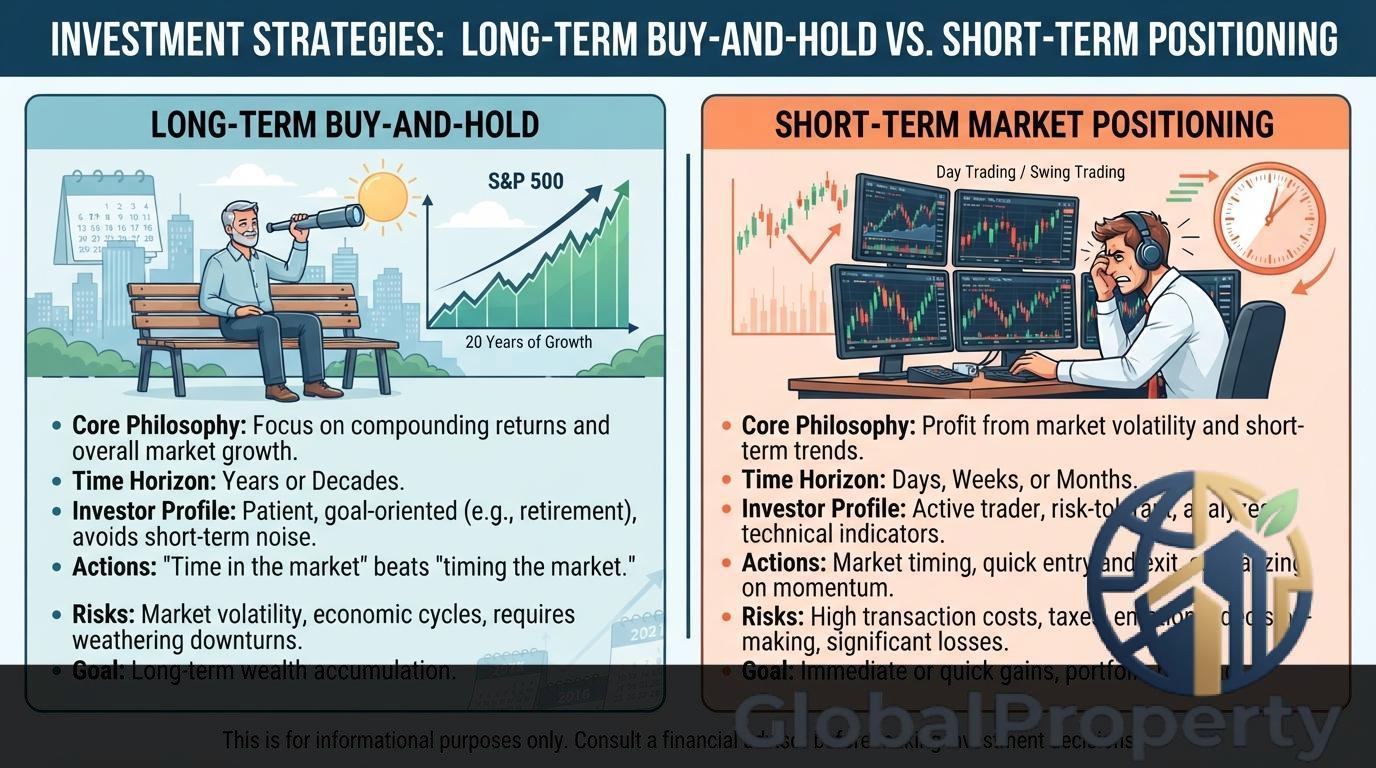
Are you torn between adopting a long-term buy-and-hold strategy or diving into the fast-paced world of short-term market positioning? The decision-making process when it comes to investing can be daunting, especially with the plethora of conflicting advice out there. Many investors struggle to find the right balance between these two approaches, often leading to confusion and uncertainty about which path to take.
Imagine the frustration of watching your investments fluctuate wildly in the short term, causing stress and anxiety about the future of your financial goals. The constant market volatility can make it challenging to stay focused and disciplined in your investment decisions. Moreover, the fear of missing out on quick gains or making significant losses can cloud your judgment, leading to impulsive and regretful choices.
But fear not, as there is a way to navigate these turbulent waters with confidence and clarity. By understanding the strengths and weaknesses of both long-term buy-and-hold strategies and short-term market positioning, you can develop a personalized investment approach that aligns with your goals and risk tolerance. This blog post will delve deep into the nuances of each strategy, providing you with the knowledge and tools to make informed decisions and secure your financial future. Embrace the journey of mastering the art of investing and unlock the secrets to sustainable wealth creation.
Benefits of Long-Term Investing
Long-term investing offers a plethora of benefits that appeal to savvy investors looking to build wealth over time. One key advantage is the power of compounding returns, where your initial investment grows exponentially as you reinvest dividends and capital gains. This compounding effect can significantly boost your overall returns compared to short-term trading strategies.
Another benefit of long-term investing is the ability to weather market volatility and economic downturns. By adopting a buy-and-hold approach, investors can ride out short-term fluctuations and capitalize on the long-term growth potential of their chosen assets. Additionally, long-term investing allows for more strategic tax planning, as capital gains taxes are typically lower for investments held for longer periods.
Implementing a Long-Term Buy-and-Hold Portfolio
Building a successful long-term buy-and-hold portfolio requires careful planning and disciplined execution. Firstly, investors must conduct thorough research to identify high-quality assets with strong growth potential and solid fundamentals. Diversification is key to mitigating risk, so allocating investments across different asset classes and industries is crucial.
Regularly reviewing and rebalancing your portfolio ensures that it remains aligned with your long-term financial goals and risk tolerance. Monitoring market trends and adjusting your holdings accordingly can help optimize performance over time. Patience is a virtue in long-term investing, as staying committed to your strategy and avoiding emotional decision-making are essential for long-term success.
Benefits of Long-Term Investing
Long-term investing offers numerous advantages for individuals looking to build wealth steadily over time. One key benefit is the potential for compounding returns, where your initial investment grows not only based on the original amount but also on the returns generated. This compounding effect can significantly boost your overall portfolio value over the years. Additionally, long-term investors are less susceptible to short-term market fluctuations and volatility, allowing them to ride out market downturns without making hasty decisions that could negatively impact their investments. Furthermore, long-term investing typically incurs lower transaction costs compared to frequent trading, saving investors money in the long run.
Risks of Short-Term Market Positioning
Engaging in short-term market positioning comes with its own set of risks that investors should be aware of. One major risk is the heightened volatility and unpredictability of short-term markets, making it difficult to accurately time entry and exit points. Investors who focus on short-term gains are also more susceptible to emotional decision-making, leading to impulsive trades that may result in losses. Moreover, short-term market positioning requires constant monitoring and active management, which can be time-consuming and stressful for investors. Finally, short-term strategies are more exposed to external factors such as news events or economic indicators that can quickly impact market prices, adding an additional layer of risk for investors.

Comparison of Long-Term and Short-Term Investment Strategies
Long-term investment strategies focus on holding assets for an extended period, typically years or decades. The primary goal is to generate wealth gradually by taking advantage of compound interest and the overall growth of the market. This approach requires patience and a strategic mindset, as it involves weathering market fluctuations and staying committed to the chosen investment vehicles.
Short-term investment strategies, on the other hand, involve buying and selling assets within a shorter timeframe, often days, weeks, or months. While short-term strategies can yield quick profits, they also come with higher risks due to market volatility and the potential for emotional decision-making. Investors employing short-term strategies need to closely monitor market conditions and be prepared to act swiftly to capitalize on opportunities or mitigate losses.
Implementing a Long-Term Buy-and-Hold Portfolio
Implementing a long-term buy-and-hold portfolio involves selecting a diversified mix of investments aligned with your financial goals and risk tolerance. This approach typically includes a combination of stocks, bonds, mutual funds, and other assets that you intend to hold for the long term. Regularly reviewing and rebalancing your portfolio to ensure it remains aligned with your investment objectives is crucial for long-term success.
Key considerations when implementing a long-term buy-and-hold portfolio include assessing your investment timeframe, understanding your risk tolerance, and conducting thorough research on potential investment options. By staying disciplined and avoiding emotional reactions to short-term market movements, investors can position themselves for long-term growth and financial stability.
Implementing a Long-Term Buy-and-Hold Portfolio
Long-term buy-and-hold strategies are a popular approach for investors looking to build wealth steadily over time by holding onto investments for extended periods. Implementing a long-term buy-and-hold portfolio involves carefully selecting assets with strong fundamentals and growth potential and holding onto them through market fluctuations. This strategy is based on the belief that the market will trend upwards over the long term, and short-term fluctuations are insignificant in the grand scheme of things.
When implementing a long-term buy-and-hold portfolio, diversification is key to mitigate risk. Investors should spread their investments across different asset classes, industries, and geographic regions to reduce the impact of market volatility on their overall portfolio. Regularly reviewing and rebalancing the portfolio ensures that it remains aligned with the investor’s long-term financial goals and risk tolerance.
Strategies for Successful Market Positioning
Research and Analysis
Successful market positioning requires thorough research and analysis of market trends, economic indicators, and company performance. By staying informed about market conditions and industry developments, investors can make informed decisions about when to buy, hold, or sell investments.
Patience and Discipline
Patience and discipline are essential traits for successful market positioning. Emotions can often lead investors to make impulsive decisions based on short-term market movements, which can be detrimental to long-term investment goals. Having a clear investment plan and sticking to it, even during periods of market volatility, can help investors avoid making hasty decisions that may harm their portfolio.
Strategies for Successful Market Positioning
Successful market positioning involves a combination of thorough research, strategic planning, and disciplined execution. One key strategy is to diversify your investment portfolio across different asset classes to reduce risk and optimize returns over the long term. Additionally, staying informed about market trends, economic indicators, and geopolitical events can help you make informed decisions and adjust your positioning accordingly. It’s essential to stay disciplined and avoid emotional reactions to market volatility, as impulsive decisions can derail your long-term investment goals. Developing a clear investment plan with specific goals, timelines, and risk tolerance levels is crucial for successful market positioning.
Conclusion: Finding the Right Investment Approach
Finding the right investment approach requires a deep understanding of your financial goals, risk tolerance, and time horizon. Long-term buy-and-hold strategies offer the benefit of compounding returns over time, providing a more stable and predictable investment journey. While short-term market positioning can be tempting for quick gains, it often comes with higher risks and volatility. By carefully weighing the benefits and risks of both long-term and short-term strategies, you can develop a well-rounded investment approach that aligns with your financial objectives. Remember, the key to successful investing lies in staying focused on your long-term goals, remaining disciplined during market fluctuations, and continuously evaluating and adjusting your strategies as needed.
Conclusion: Finding the Right Investment Approach
Choosing the right investment approach is crucial for long-term financial success. Whether you opt for a long-term buy-and-hold strategy or prefer short-term market positioning, it’s essential to align your investment goals with your risk tolerance and time horizon. A long-term buy-and-hold approach offers stability and the potential for compounding returns over time, while short-term strategies may be more volatile but offer the opportunity for quick gains.
Ultimately, the key is finding the right balance between long-term growth and short-term gains that align with your financial objectives. Consider diversifying your portfolio, staying informed about market trends, and regularly reviewing your investment strategy to ensure it remains aligned with your goals. By staying disciplined and focused on your long-term objectives, you can navigate market fluctuations and make informed decisions to secure your financial future.