
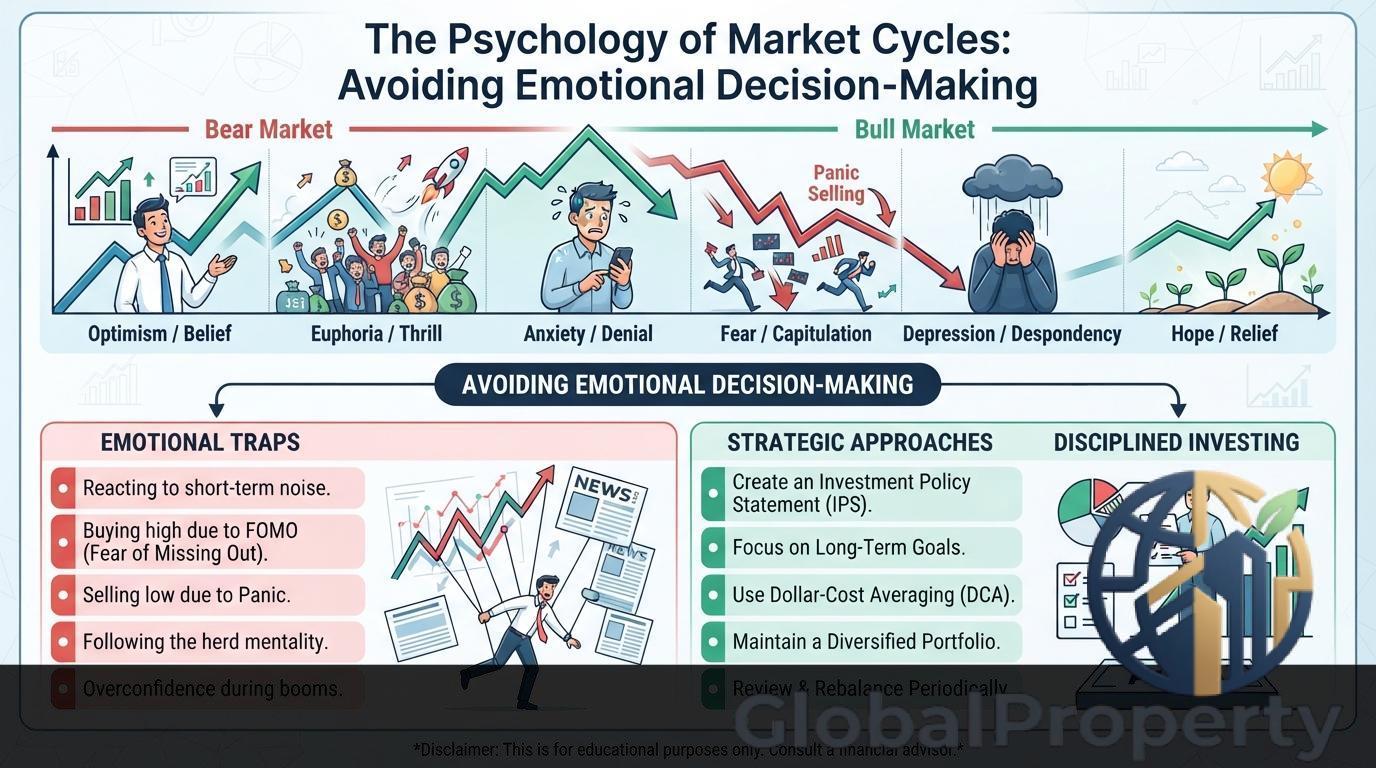
Do you ever find yourself caught in the whirlwind of market cycles, making decisions driven by fear, greed, or panic? The world of investing is a rollercoaster of emotions, where market fluctuations can trigger impulsive actions that may lead to financial pitfalls. The core problem many investors face is the challenge of navigating these market cycles without succumbing to emotional decision-making. Emotions like fear of missing out, anxiety about losses, or overconfidence during bull markets can cloud judgment and derail even the most well-thought-out investment strategies.
Picture this: You’ve invested your hard-earned money based on a solid plan, but as the market takes a downturn, fear grips you, and you sell off your investments at a loss. Alternatively, during a booming market, you might get carried away by the euphoria and make risky, speculative investments without considering the long-term consequences. These emotional reactions can not only diminish your returns but also erode your confidence as an investor, leaving you feeling frustrated and powerless.
The key to overcoming the pitfalls of emotional decision-making in market cycles lies in understanding the psychology behind these fluctuations and developing a disciplined approach to investing. By learning to recognize and control your emotions, sticking to a well-defined investment strategy, and focusing on long-term goals rather than short-term gains, you can navigate market cycles with confidence and resilience. Join me on a journey to explore the psychology of market cycles, uncover strategies to avoid emotional traps, and empower yourself to make informed, rational decisions that lead to financial success. Let’s dive in and discover the path to mastering the art of investing with a steady hand and a clear mind.
Emotional Decision-Making in Investments
Emotional decision-making in investments is a common phenomenon that can significantly impact investment outcomes. When investors make decisions based on emotions rather than logic or analysis, it can lead to impulsive actions and poor choices. Fear, greed, excitement, and overconfidence are some of the emotions that can influence investment decisions. Understanding and managing these emotions is crucial for successful investing. Emotions can be triggered by market volatility, news events, or personal financial situations.
Strategies to Avoid Emotional Investing
Strategies to avoid emotional investing involve creating a disciplined approach to decision-making. Setting clear investment goals, creating a well-thought-out investment plan, and sticking to a diversified portfolio can help reduce the impact of emotions on investment decisions. Implementing stop-loss orders, having a long-term perspective, and seeking advice from financial professionals are additional strategies to avoid making emotionally driven investment choices. By staying informed, practicing patience, and avoiding impulsive actions, investors can minimize the negative effects of emotions on their investment performance.
Impact of Emotions on Market Behavior
Market behavior is significantly influenced by emotions such as fear, greed, and panic. These emotions can lead to irrational decision-making, causing sudden market fluctuations and volatility. When investors allow their emotions to dictate their actions, it can result in herd mentality and exaggerated market reactions. Understanding how emotions impact market behavior is crucial for investors to navigate through turbulent times and make informed decisions. By recognizing the role emotions play in driving market trends, investors can better anticipate potential shifts and adjust their strategies accordingly.
Strategies to Avoid Emotional Investing
Emotional investing can lead to detrimental financial outcomes, making it essential for investors to adopt strategies to avoid being swayed by emotions. One effective approach is to establish a well-defined investment plan with clear goals and risk tolerance levels. Setting predetermined entry and exit points can help investors stick to their strategy and avoid making impulsive decisions based on emotions. Additionally, practicing patience and discipline in the face of market fluctuations can prevent investors from succumbing to emotional reactions. By implementing these strategies, investors can mitigate the impact of emotions on their investment decisions and enhance their long-term success in the financial markets.

Strategies to Avoid Emotional Investing
Emotional investing can lead to impulsive decisions and undermine long-term financial goals. To avoid falling prey to emotional biases, investors can implement strategic approaches. One effective strategy is to create an investment plan based on specific financial goals and risk tolerance, then stick to it through market fluctuations. Regularly reviewing and rebalancing the portfolio can help maintain a disciplined approach and prevent emotional reactions to short-term market movements. Additionally, seeking professional advice from financial advisors can provide an objective perspective and guidance during turbulent market conditions.
Market Cycles and Investor Sentiment
Understanding market cycles and investor sentiment is crucial for making informed investment decisions. Recognizing the stages of market cycles, such as expansion, peak, contraction, and trough, can help investors anticipate potential shifts in market sentiment. Investor sentiment indicators like the fear and greed index can provide insights into market psychology and help investors gauge the prevailing sentiment. By aligning investment strategies with the prevailing market cycle and sentiment, investors can position themselves to capitalize on opportunities and navigate risks effectively.
Market Cycles and Investor Sentiment
Investor sentiment plays a crucial role in market cycles, influencing buying and selling decisions across various asset classes. Understanding how market participants feel about the direction of the market can provide valuable insights into potential market movements. When investor sentiment is overly optimistic, it can lead to asset bubbles and eventually market crashes. Conversely, when sentiment becomes overly pessimistic, it may create buying opportunities as assets are undervalued. Monitoring investor sentiment indicators, such as surveys, social media sentiment, and options market data, can help investors gauge the prevailing mood in the market and adjust their strategies accordingly.
Psychological Factors in Market Volatility
Market volatility is often driven by psychological factors such as fear, greed, and uncertainty. During times of high volatility, investors may experience heightened emotions, leading to impulsive decision-making and increased trading activity. Fear of missing out (FOMO) can cause investors to chase trends, while fear of losses can prompt panic selling. Understanding the psychological drivers behind market volatility can help investors remain calm and rational during turbulent times. Implementing risk management strategies, diversifying portfolios, and maintaining a long-term perspective can help mitigate the impact of psychological factors on investment decisions.
Psychological Factors in Market Volatility
Market volatility is often driven by psychological factors that influence investor behavior. Fear and uncertainty can lead to drastic fluctuations in stock prices, causing panic selling or irrational buying. These emotional reactions can create a snowball effect, further exacerbating market volatility. Understanding the psychological factors at play can help investors navigate turbulent times more effectively.
Impact of Emotions on Market Behavior
Emotions play a significant role in driving market behavior. Greed can lead to overvalued markets, while fear can result in sharp declines. The herd mentality can cause investors to follow the crowd without considering the underlying fundamentals of an investment. Recognizing the impact of emotions on market behavior is crucial for making informed and rational investment decisions.
7. Rational Decision-Making in Financial Markets
Importance of Rationality
Rational decision-making in financial markets is crucial for investors to achieve long-term success. By making decisions based on logic, reason, and data rather than emotions, investors can avoid common pitfalls and make sound investment choices. Rationality helps investors stay focused on their financial goals and avoid impulsive decisions that can lead to losses.
Benefits of Rational Decision-Making
When investors rely on rational decision-making, they are more likely to stick to their investment strategies, even during times of market volatility. By analyzing information objectively and avoiding emotional biases, investors can make informed decisions that are in line with their risk tolerance and financial objectives. Rationality also allows investors to take a long-term view of their investments, helping them navigate market cycles with confidence and discipline.