
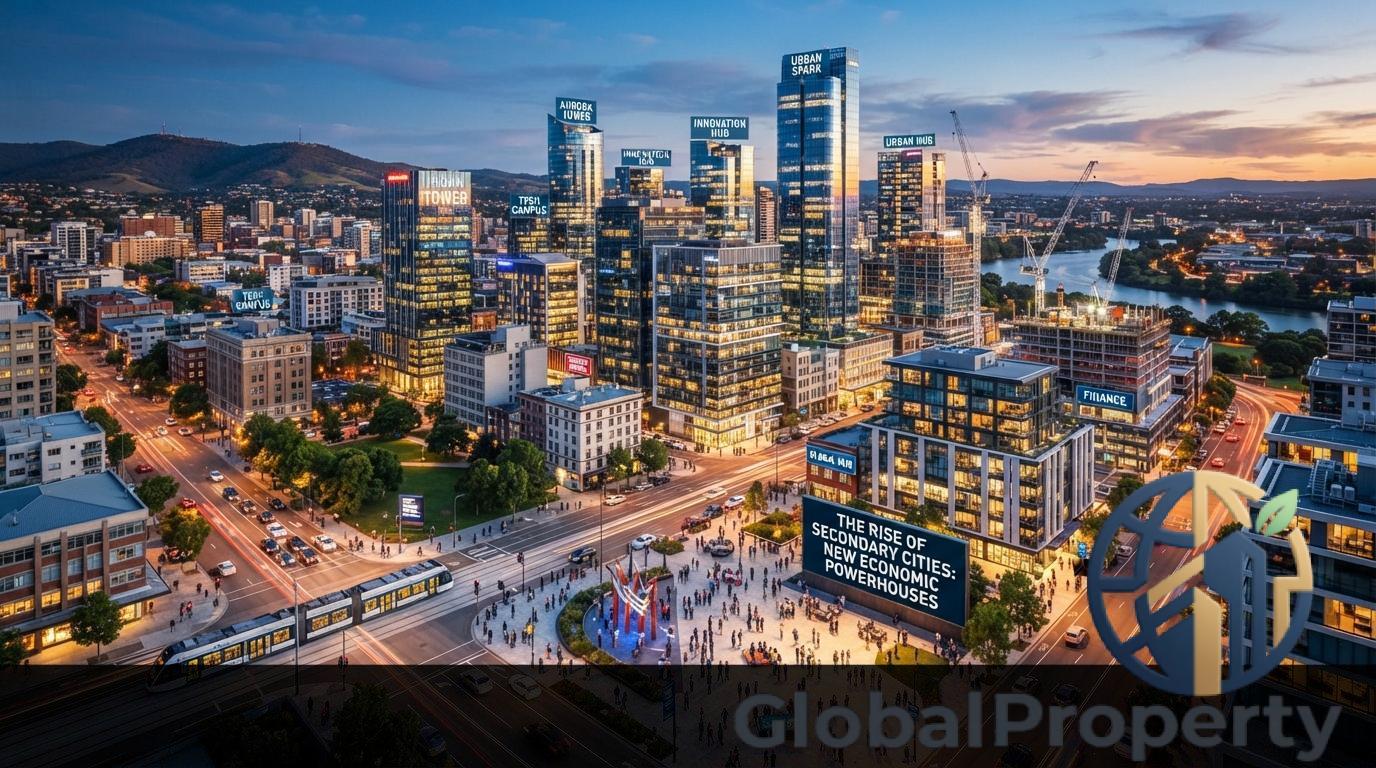
Have you ever stopped to ponder the ongoing shift in the global economic landscape, where secondary and tertiary cities are emerging as new economic powerhouses, challenging the dominance of traditional metropolises? The core problem many individuals and businesses face today lies in their failure to recognize and capitalize on the immense opportunities presented by these rising urban centers. While the spotlight has long been on major cities, overlooking the potential of smaller cities could mean missing out on a wave of growth and prosperity that is reshaping the future of economies worldwide.
Picture this: you are a forward-thinking entrepreneur or investor sticking solely to established metropolitan hubs, unaware that secondary and tertiary cities are quietly transforming into hotbeds of innovation, creativity, and economic dynamism. The consequences of this oversight are significant. By neglecting these burgeoning urban centers, you risk being left behind in a rapidly evolving economic landscape, where new opportunities for growth, expansion, and success are ripe for the taking. The frustration stemming from this realization can be palpable, as you come to terms with the missed chances and untapped potential that could have catapulted your endeavors to new heights.
But fear not, for the solution to this dilemma lies in embracing the rise of secondary and tertiary cities as the new economic powerhouses of the future. By shifting your focus and investments towards these emerging urban centers, you open doors to a world of possibilities that can drive your business or investments to unprecedented levels of success. Imagine being at the forefront of a transformative economic wave, where untapped markets, skilled labor pools, and supportive ecosystems converge to fuel innovation and growth. The time to recalibrate your strategies, expand your horizons, and seize the opportunities presented by these rising cities is now. Embrace the future, embrace the potential, and position yourself for a journey towards prosperity unlike any other. The rise of secondary and tertiary cities beckons – will you answer the call?
Urbanization Trends
Urbanization is a global phenomenon that is rapidly shaping the world’s landscapes. As populations continue to grow, more people are moving to cities in search of better opportunities, infrastructure, and quality of life. This trend is not only evident in major urban centers but also in secondary cities that are experiencing significant growth and development.
In recent years, secondary cities have emerged as key players in the urbanization process, offering a balance between urban amenities and a more manageable scale compared to megacities. This shift towards secondary cities is driven by factors such as improved connectivity, economic diversification, and the desire for a more sustainable living environment. Understanding the urbanization trends in these cities is essential for policymakers, urban planners, and businesses to harness their potential for sustainable growth and development.
Economic Impact of Secondary Cities
Secondary cities play a crucial role in driving economic growth and development at both regional and national levels. As hubs of commerce, industry, and innovation, these cities contribute significantly to job creation, investment attraction, and overall economic productivity. The economic impact of secondary cities extends beyond their borders, influencing surrounding areas and fostering a ripple effect of growth.
By leveraging their unique strengths and resources, secondary cities have the potential to become engines of economic prosperity and innovation. Strategic investments in infrastructure, education, and technology can further enhance their competitiveness and attractiveness to businesses and investors. Recognizing the economic impact of secondary cities is essential for fostering inclusive and sustainable growth, ensuring a balanced development trajectory that benefits both urban and rural populations alike.
Urbanization Trends
Urbanization is a global phenomenon with a significant impact on the development of secondary cities. As populations continue to migrate from rural to urban areas, secondary cities are experiencing rapid growth and transformation. This trend is fueled by various factors such as job opportunities, better infrastructure, and access to services. Secondary cities are becoming hubs of economic activity, innovation, and cultural exchange.
Economic Impact of Secondary Cities
Secondary cities play a crucial role in driving economic growth and development. These cities serve as important centers for manufacturing, commerce, and services, contributing to the overall prosperity of a region or country. By attracting investments, fostering entrepreneurship, and providing employment opportunities, secondary cities help in reducing urban-rural disparities and promoting balanced regional development. The economic impact of secondary cities extends beyond their boundaries, influencing the entire economic landscape.
Case Studies of Successful Secondary Cities
Nashville, Tennessee: Nashville has emerged as a prime example of a successful secondary city, experiencing rapid growth and economic prosperity in recent years. The city’s vibrant music scene, diverse economy, and strategic location have attracted businesses and skilled workers, contributing to its rise as a major economic hub. With a strong focus on innovation and entrepreneurship, Nashville has fostered a thriving startup ecosystem, further fueling its economic success.
Portland, Oregon:
Portland stands out as another notable case of a successful secondary city, known for its sustainability initiatives, quality of life, and strong sense of community. The city’s emphasis on urban planning, green spaces, and public transportation has made it an attractive destination for young professionals and families alike. Portland’s thriving tech sector, along with its commitment to environmental stewardship, has solidified its position as a leading secondary city in the United States.
Challenges Faced by Secondary and Tertiary Cities
Urbanization Challenges: Secondary and tertiary cities often face unique challenges due to rapid urbanization. Issues such as inadequate infrastructure, lack of basic services, and limited economic opportunities can hinder their growth potential. These cities struggle to attract investments and skilled labor, leading to disparities in development compared to primary cities.
Sustainability Concerns:
Ensuring sustainable development is a major challenge for secondary and tertiary cities. Balancing economic growth with environmental preservation, managing resources efficiently, and addressing social inequalities are crucial tasks. Sustainable urban planning and implementation of green initiatives are essential to overcome these challenges and create livable cities for future generations.
Government Policies and Initiatives
Government Policies and Initiatives play a crucial role in shaping the development and growth of secondary and tertiary cities. By implementing strategic plans and regulations, governments can attract investments, improve infrastructure, and boost economic activities in these cities. One common initiative is the establishment of special economic zones that offer incentives to attract businesses and industries. Additionally, governments can focus on improving transportation networks, healthcare facilities, and educational institutions to make these cities more appealing for residents and businesses alike.
Supporting Sustainable Development
Furthermore, governments can introduce policies that promote sustainable development practices, such as green building initiatives, waste management programs, and renewable energy projects. By prioritizing sustainability, cities can enhance their quality of life, attract eco-conscious residents, and reduce their environmental impact. Overall, government policies and initiatives play a vital role in shaping the future of secondary and tertiary cities, ensuring their long-term success and prosperity.
Government Policies and Initiatives
Government policies and initiatives play a crucial role in shaping the development of secondary and tertiary cities. By implementing strategic plans, local governments can attract investments, improve infrastructure, and create business-friendly environments. For example, offering tax incentives and streamlined permit processes can encourage businesses to establish operations in these cities, leading to job creation and economic growth.
Furthermore, infrastructure development projects such as transportation networks and utilities can enhance connectivity and livability in these cities. Governments can also focus on sustainability initiatives to promote eco-friendly practices and create a more resilient urban environment. Overall, proactive government policies can help secondary and tertiary cities thrive and contribute to the overall economic landscape.