
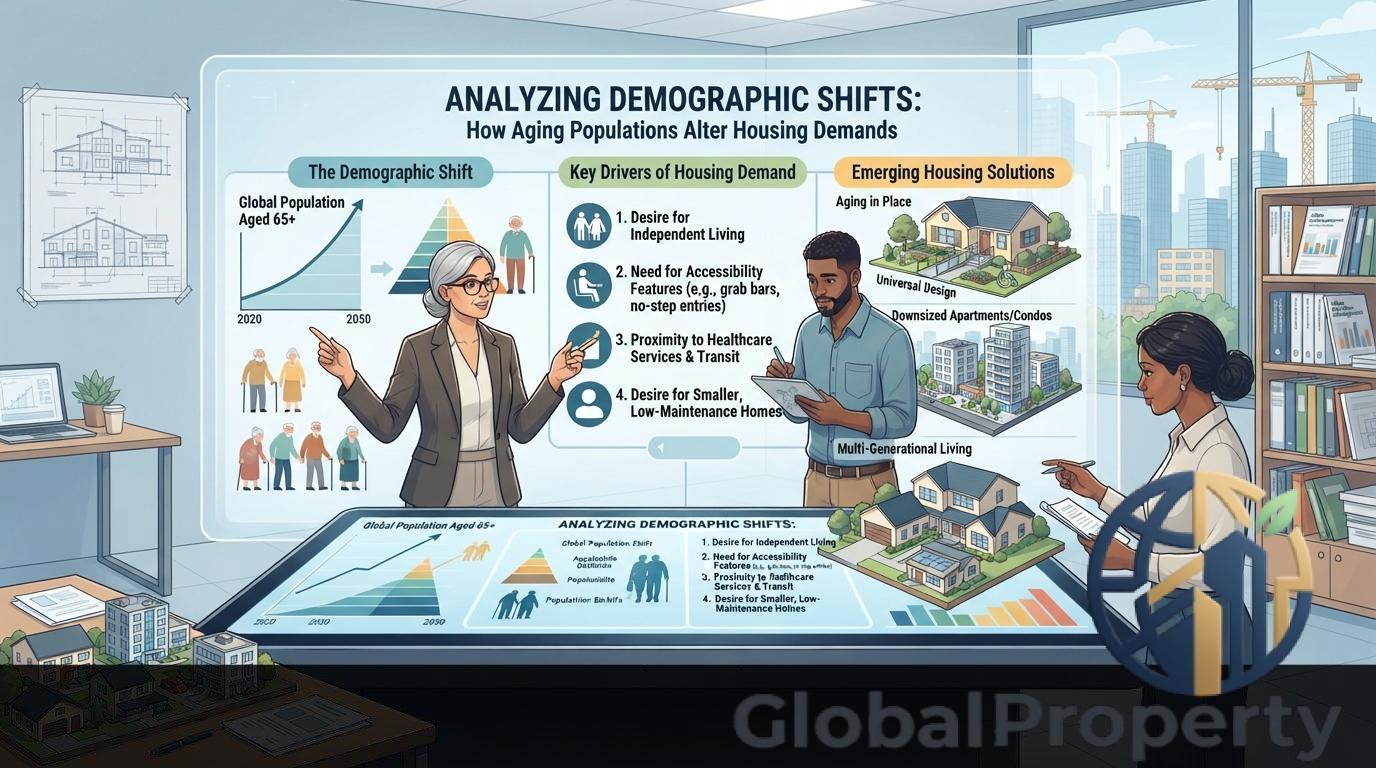
Are you noticing a subtle but significant change in your neighborhood? Perhaps you’ve observed more senior citizens walking the streets, or maybe you’ve seen an increase in retirement communities popping up nearby. These are telltale signs of a demographic shift that is reshaping our society – the aging population. While this trend brings about many societal changes, one of the most impactful areas it influences is housing demands. Understanding how aging populations alter housing needs is crucial for individuals, policymakers, and real estate professionals alike.
Picture this: you’re a young family looking to buy a new home in a neighborhood you love. However, as the population ages, you start to realize that the housing options suitable for your family’s needs are dwindling. The frustration sets in as you struggle to find a home that meets your requirements within your desired location. This is just one example of how demographic shifts can create a mismatch between housing supply and demand, leaving many feeling trapped in a limited housing market.
But fear not, for there are solutions to navigate these changing tides. By delving into the intricacies of how aging populations impact housing demands, we can uncover innovative approaches to address these challenges. From designing age-friendly housing options to implementing policies that promote intergenerational communities, there are various strategies to adapt to the evolving needs of our changing demographic landscape. Join us on a journey as we explore the fascinating intersection of demographics and housing, and discover practical solutions to thrive in a world where aging populations shape the housing market.
Demographic Trends and Aging Populations
Demographic trends worldwide indicate a significant increase in the aging population, driven by factors such as increased life expectancy and declining birth rates. This demographic shift poses various challenges and opportunities for societies, particularly in terms of healthcare, social services, and housing needs. As the population ages, there is a growing demand for age-appropriate housing solutions that cater to the specific needs and preferences of older adults.
Aging populations are reshaping the housing market, with a shift towards more accessible, adaptable, and supportive housing options. Developers and policymakers are increasingly focusing on creating age-in-place housing models that allow older adults to maintain their independence and quality of life as they age. Understanding these demographic trends and their impact on housing demand is crucial for designing sustainable and inclusive communities for the future.
Impact of Aging Populations on Housing Demand
Aging populations have a significant impact on housing demand, leading to the need for more age-friendly and accessible housing options. As people grow older, their housing needs change, requiring modifications such as grab bars, ramps, wider doorways, and other features to support aging in place. This shift in demand presents challenges for the housing market, as traditional housing may not meet the changing needs of older adults.
Strategies for Addressing Housing Needs of Aging Populations
To address the housing needs of aging populations, various strategies can be implemented. This includes promoting universal design principles in housing construction, offering financial incentives for retrofitting existing homes, developing senior cohousing communities, and expanding affordable housing options for older adults. By incorporating these strategies, communities can better meet the diverse housing needs of aging populations and support their desire to age in place comfortably and safely.

Strategies for Addressing Housing Needs of Aging Populations
As the population continues to age, it is crucial to develop effective strategies to address the housing needs of older adults. One key approach is to promote aging-in-place by making existing homes more accessible and adaptable. This may involve retrofitting homes with features such as grab bars, ramps, and wider doorways to accommodate mobility challenges. Additionally, constructing more age-friendly housing options, such as single-level homes or housing communities with amenities and services catered to seniors, can help meet the diverse needs of aging populations. Collaborating with healthcare providers, social services, and community organizations is also essential to provide comprehensive support for older adults looking to age comfortably and independently in their homes.
Case Studies: Successful Housing Models for Aging Populations
Several successful housing models have emerged to cater to the unique needs of aging populations, offering inspiration and best practices for addressing this growing demographic trend. Examples include cohousing communities where older adults live together in a shared space, providing mutual support and social connections. Continuing care retirement communities offer a range of housing options, from independent living to skilled nursing care, allowing residents to age in place as their needs evolve. Green and sustainable housing developments designed with aging populations in mind not only promote environmental sustainability but also prioritize accessibility and safety for older residents. These case studies showcase innovative approaches to meeting the housing needs of aging populations and offer valuable insights for future planning and development.
Case Studies: Successful Housing Models for Aging Populations
Golden Meadows Retirement Community: Located in a serene suburb, Golden Meadows offers a range of housing options designed specifically for aging populations. From independent living villas to assisted living apartments and memory care units, this community caters to diverse needs. With on-site healthcare services, recreational activities, and a strong sense of community, residents enjoy a comfortable and secure living environment.
Silver Haven Senior Living: Silver Haven focuses on creating a supportive and inclusive environment for seniors. Their innovative housing model combines independent living with personalized care services. Residents benefit from 24/7 assistance, nutritious dining options, and a variety of social activities. The community design promotes mobility and accessibility, ensuring that seniors can age in place comfortably and with dignity.
Policy Implications and Recommendations
Policy Implications: As the population continues to age, policymakers must prioritize the development of housing solutions that cater to the unique needs of older adults. This includes ensuring accessibility, safety, and affordability in housing options. Additionally, policies should support aging in place initiatives to allow seniors to remain in their homes comfortably and independently for as long as possible. Addressing housing challenges for aging populations requires a multi-faceted approach that considers not only the physical aspects of housing but also social support systems and healthcare services.
Recommendations: To address the housing needs of aging populations effectively, policymakers should collaborate with stakeholders from various sectors, including housing developers, healthcare providers, and community organizations. Implementing incentives for age-friendly housing designs and renovations can encourage the private sector to invest in creating suitable living environments for older adults. Furthermore, promoting intergenerational housing models and shared living arrangements can foster social connections and mutual support among residents of different age groups. By prioritizing these recommendations, policymakers can create a more inclusive and supportive housing landscape for aging populations.
Policy Implications and Recommendations
Policy Implications: As the demographic landscape continues to shift towards an aging population, policymakers must proactively address the housing needs of this growing segment. It is crucial to develop comprehensive policies that promote age-friendly communities, encourage intergenerational living arrangements, and support the development of housing options that cater to the diverse needs of older adults. Additionally, regulations should be revised to facilitate the adaptation of existing housing stock to be more accessible and conducive to aging in place.
Recommendations: Policymakers should collaborate with urban planners, architects, and developers to design housing solutions that prioritize safety, accessibility, and social connectivity for aging populations. Implementing financial incentives for retrofitting existing homes, promoting mixed-use developments with integrated care services, and investing in public transportation infrastructure can greatly enhance the quality of life for older adults. Furthermore, fostering community engagement and participation in decision-making processes is essential for creating inclusive and sustainable housing policies that benefit individuals of all ages.
Conclusion
Addressing the housing needs of aging populations is a multifaceted challenge that requires a holistic approach encompassing policy interventions, innovative housing models, and community engagement. By recognizing the unique requirements and preferences of older adults, society can create living environments that promote independence, well-being, and social connectedness. As we navigate the demographic shift towards an increasingly elderly population, it is imperative to prioritize the development of age-friendly housing solutions that support active aging and enable individuals to age with dignity and comfort in their own homes.