
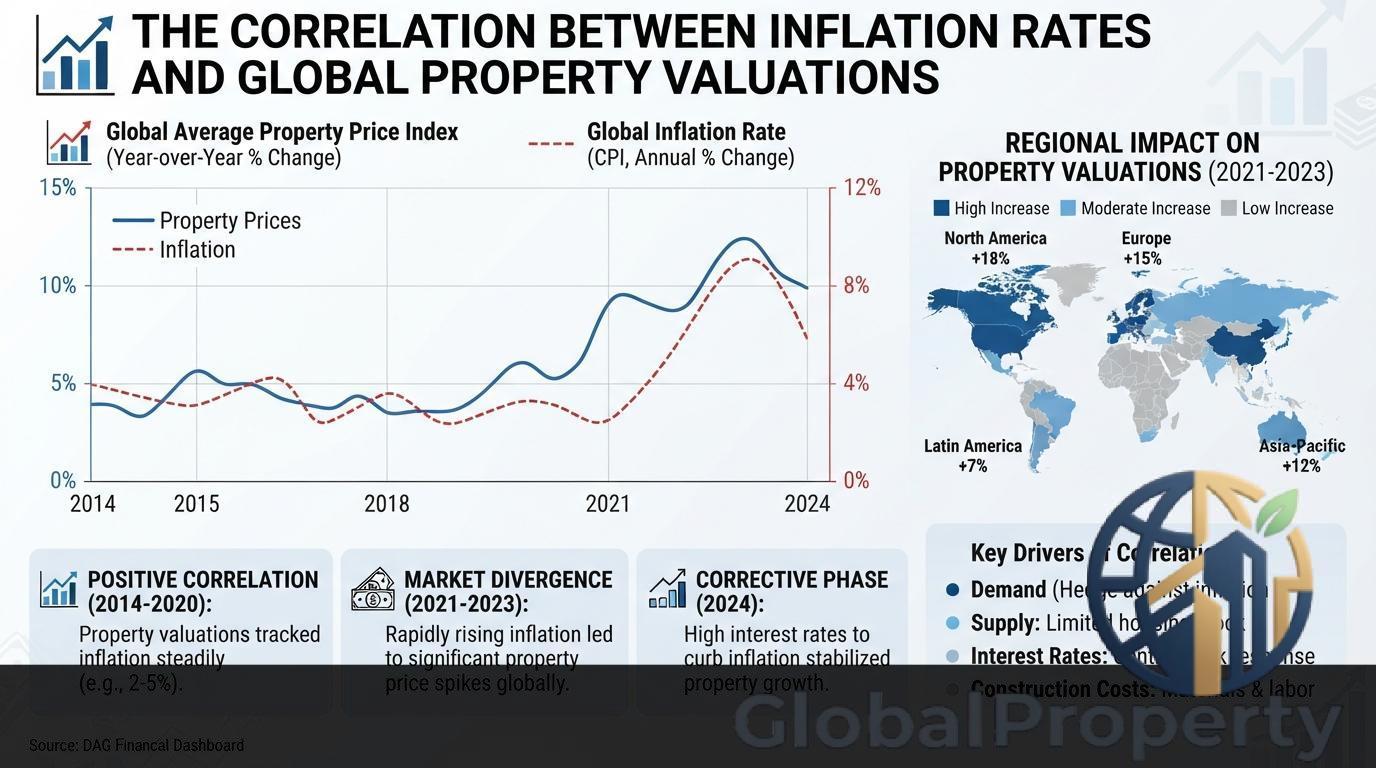
Have you ever wondered about the intricate dance between inflation rates and global property valuations? It’s a topic that often lurks in the shadows of financial conversations, yet holds immense significance for investors, homeowners, and policymakers alike. The core problem lies in understanding how inflation can impact the value of properties around the world. This complex relationship is not always clear-cut and can leave many scratching their heads when trying to make informed decisions about real estate investments.
Now, picture this: you’re a property investor who is unaware of the correlation between inflation rates and property valuations. You might find yourself making decisions based on incomplete information, potentially missing out on lucrative opportunities or, worse, facing unexpected losses. The consequences of neglecting this crucial connection can be dire, leading to financial setbacks and missed chances for wealth accumulation. It’s like navigating a maze blindfolded, hoping to stumble upon success without a clear path forward.
But fear not, for there is a beacon of light amidst this confusion. By unraveling the mystery behind the correlation between inflation rates and global property valuations, you can gain a competitive edge in the real estate market. Understanding how these factors interplay can empower you to make informed decisions, seize opportunities, and navigate market fluctuations with confidence. So, let’s embark on a journey together to explore this fascinating relationship and unlock the secrets that can help you thrive in the world of real estate investment. Get ready to dive deep into the world of numbers, trends, and insights that will transform the way you perceive property valuations forever.
Understanding Inflation Rates
Inflation rates play a crucial role in shaping economic conditions and investment decisions. In simple terms, inflation refers to the increase in the general price level of goods and services in an economy over a period of time. Understanding inflation rates involves analyzing the factors that contribute to inflation, such as demand-pull inflation or cost-push inflation. Central banks closely monitor inflation rates to ensure price stability and sustainable economic growth. Investors and businesses need to consider inflation rates when making financial decisions to protect their purchasing power and returns on investments.
Impact of Inflation on Property Valuations
Inflation can significantly impact property valuations as rising inflation rates can lead to higher construction costs, property maintenance expenses, and increased rental income. Real estate is often considered a hedge against inflation as property values tend to appreciate over time, keeping pace with or even outperforming inflation rates. However, high inflation can also lead to higher interest rates, making borrowing more expensive and potentially dampening property demand. Investors need to carefully assess the impact of inflation on property valuations and consider strategies to mitigate risks and capitalize on opportunities in an inflationary environment.
Impact of Inflation on Property Valuations
Property valuations are significantly influenced by inflation rates. Inflation can have both positive and negative effects on property values. On one hand, inflation can drive up property prices as the value of real estate tends to increase along with the general rise in prices. This can benefit property owners and investors by potentially increasing their equity or resale value. On the other hand, inflation can also lead to higher construction costs and borrowing expenses, which may negatively impact property valuations. Additionally, inflation can affect rental income and occupancy rates, further impacting property valuations.
Factors Influencing Global Property Markets
Global property markets are influenced by a myriad of factors, including economic conditions, government policies, demographic trends, and market demand. Economic stability, interest rates, and currency fluctuations play a crucial role in determining property market performance. Government regulations, such as zoning laws and tax incentives, can also impact property values and market dynamics. Demographic shifts, such as population growth or decline, can influence demand for different types of properties. Understanding these factors is essential for investors and stakeholders to make informed decisions in the global property market.

Impact of Inflation on Property Valuations
Inflation plays a significant role in shaping property valuations across different markets. As inflation rises, the purchasing power of currency decreases, leading to higher construction costs, property maintenance expenses, and land prices. This inflationary pressure often results in an increase in property values as sellers seek to recoup their rising costs and capitalize on the market demand for real estate assets. Conversely, during periods of deflation, property valuations may stagnate or experience a decline as demand weakens and investors become more cautious about their real estate investments.
Factors Influencing Global Property Markets
Global property markets are influenced by a myriad of factors beyond just inflation rates. Economic growth, demographic trends, government policies, interest rates, and geopolitical events all play a crucial role in determining the health and performance of property markets worldwide. For instance, rapid urbanization in emerging markets can drive up property prices, while regulatory changes in developed economies can impact investor sentiment and property values. Understanding these diverse factors is essential for investors, developers, and policymakers to navigate the complexities of the global property landscape.
5. Analyzing the Relationship between Inflation Rates and Property Values
Understanding the intricate link between inflation rates and property values is crucial for investors and stakeholders in the real estate market. Inflation, as a general increase in prices, can have a profound impact on property values. In times of high inflation, property values tend to rise as the cost of construction materials, labor, and land also increases. However, rapid inflation can lead to economic instability, impacting property values negatively due to decreased purchasing power and demand.
Moreover, analyzing the relationship between inflation rates and property values requires a comprehensive approach that considers various factors such as interest rates, market demand, and government policies. Investors must monitor inflation trends closely to make informed decisions regarding property investments. Understanding how inflation affects property values is essential for developing strategies to mitigate risks and capitalize on opportunities in the dynamic real estate market.
Case Studies and Examples
Case studies and examples provide real-world illustrations of how inflation rates can impact property valuations in different scenarios. For instance, analyzing the housing market trends in countries experiencing hyperinflation can showcase the extreme fluctuations in property values and affordability. Similarly, looking at how commercial real estate prices respond to moderate inflation can offer insights into investor behavior and market dynamics.
Examples of successful property investments in times of high inflation can demonstrate strategies like investing in real assets, adjusting rental rates, or diversifying portfolios to hedge against inflation risks. Conversely, case studies of properties that lost value during periods of hyperinflation highlight the importance of risk management and staying informed about economic indicators that influence property markets.
Conclusion
In conclusion, understanding the impact of inflation on property valuations is crucial for investors and stakeholders in the real estate market. By analyzing the relationship between inflation rates and property values, one can make informed decisions to mitigate risks and capitalize on opportunities. Case studies and examples provide valuable insights into how different factors influence global property markets and how inflation plays a significant role in shaping property values. As we navigate through dynamic market conditions, staying informed and adaptable is key to navigating the complexities of inflation and its effects on property valuations.