
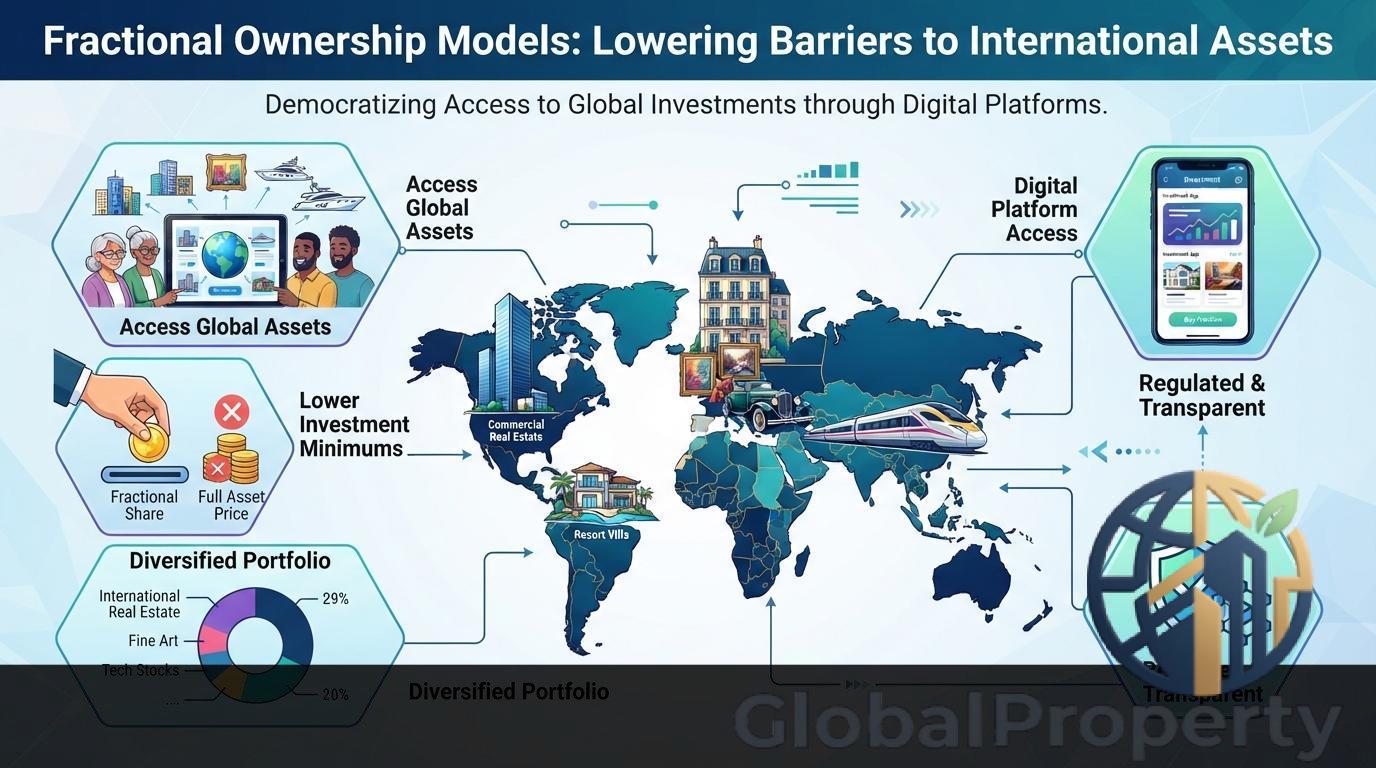
Are you tired of feeling like international investments are out of reach? The allure of diversifying your portfolio with assets from around the globe can be tempting, but the barriers to entry often seem insurmountable. Traditional ownership models can be complex, expensive, and fraught with legal and logistical challenges. This dilemma leaves many investors feeling frustrated and stuck, unable to tap into the full potential of global markets.
Imagine watching from the sidelines as others capitalize on lucrative opportunities in international real estate, rare collectibles, or high-value assets. The fear of missing out on potential returns and the inability to access these assets can be a source of constant agitation for savvy investors like yourself. The traditional methods of acquiring international assets require significant capital, legal expertise, and ongoing maintenance, putting a heavy burden on individuals who simply seek to expand their investment horizons.
But what if there was a solution that could revolutionize the way you approach international investments? Enter fractional ownership models – a game-changer in the world of asset ownership. By breaking down the barriers to entry and enabling investors to own a fraction of high-value assets, this innovative approach opens up a world of possibilities. Imagine having a stake in a luxury property in Paris, a rare piece of art from a renowned artist, or shares in a promising international startup – all without the hefty price tag or administrative headaches. Embracing fractional ownership could be the key to unlocking a new era of global investment opportunities. So, are you ready to explore a smarter, more accessible way to diversify your portfolio and seize the potential of international assets?
What is Fractional Ownership?
Fractional ownership is a concept where multiple individuals share ownership of a high-value asset, such as real estate, art, or luxury items. Each owner holds a portion of the asset, typically represented by shares or percentages. This shared ownership structure allows individuals to enjoy the benefits of owning a valuable asset without bearing the full cost and responsibilities associated with sole ownership.
Fractional ownership arrangements are commonly used in industries where assets are expensive and may not be fully utilized by a single owner. By dividing ownership among multiple parties, fractional ownership enables individuals to access premium assets that may otherwise be out of reach. This model provides opportunities for investors, collectors, and enthusiasts to participate in markets that were previously inaccessible.
Benefits of Fractional Ownership
Fractional ownership offers several key benefits to participants. Firstly, it provides access to high-value assets that may be financially prohibitive for an individual to own outright. By sharing ownership, individuals can enjoy the benefits of using and appreciating the asset without the full financial burden.
Additionally, fractional ownership allows for diversification of investment portfolios. Instead of tying up a significant amount of capital in a single asset, individuals can spread their investments across multiple fractional ownership opportunities, reducing risk and increasing potential returns. Furthermore, fractional ownership can enhance liquidity, as owners may have the option to sell their shares to other interested parties, providing a degree of flexibility that traditional ownership structures may not offer.
What is Fractional Ownership?
Fractional ownership is a concept where multiple individuals share ownership of a high-value asset, such as real estate or art, without having to purchase the entire asset individually. Each owner holds a percentage interest in the asset, which entitles them to specific rights and benefits. This model allows individuals to access and enjoy luxury assets that may have been otherwise financially out of reach, making it a popular alternative investment strategy.
Benefits of Fractional Ownership
1. Diversification: Fractional ownership allows investors to diversify their portfolios by investing in high-value assets across different industries or locations, reducing risk exposure.
2. Access to Luxury Assets: Individuals can enjoy the benefits of owning luxury assets, such as vacation homes or valuable artwork, without the full financial burden of sole ownership.
3. Cost Sharing: Shared ownership spreads out the costs associated with maintaining and managing the asset among multiple owners, making ownership more affordable and sustainable.

Introduction
Fractional ownership is a unique concept that allows individuals to collectively own high-value assets, such as real estate or art, without bearing the full burden of ownership alone. This innovative approach enables multiple investors to share ownership and benefits proportionally, making it accessible to a wider range of people. Fractional ownership has gained popularity in recent years due to its ability to democratize ownership and provide opportunities for individuals to invest in assets they might not be able to afford on their own.
What is Fractional Ownership?
Fractional ownership involves dividing the ownership of an asset into smaller, more affordable shares, allowing multiple investors to purchase a fraction of the asset. Each investor then owns a percentage of the asset, entitling them to corresponding benefits, such as usage rights, rental income, or potential appreciation. This shared ownership model provides a cost-effective way for individuals to enjoy the benefits of owning premium assets without the full financial commitment.
Benefits of Fractional Ownership
Flexibility: Fractional ownership offers investors the flexibility to own a portion of high-value assets without the need for a substantial initial investment. This flexibility allows individuals to diversify their portfolios and access assets that may otherwise be out of reach.
Diversification: By investing in multiple fractional ownership opportunities across different asset classes, investors can diversify their portfolios and reduce risk. This diversification strategy helps protect against market fluctuations and potential losses in any single asset.
Types of Fractional Ownership Models
Equity Fractional Ownership: In this model, investors own a percentage of the asset and share in its financial performance, such as rental income and appreciation. Each investor’s ownership stake is directly tied to the asset’s value.
Usage Fractional Ownership: This model focuses on providing investors with access to the asset for a certain period each year. Investors do not own a financial stake in the asset but instead enjoy the benefits of using it for personal or commercial purposes.
5. Fractional Ownership in Real Estate
Fractional ownership in real estate is a concept where multiple individuals share ownership of a property, typically a vacation home or luxury property. Each owner has a percentage stake in the property, allowing them to use it for a certain period each year. This model provides an affordable way for individuals to own a share of a high-end property without the full financial burden.
Benefits of Fractional Ownership in Real Estate
One of the main benefits of fractional ownership in real estate is the ability to enjoy the perks of owning a luxury property without the high costs associated with sole ownership. Owners also have the flexibility to use the property for vacations or rent it out for additional income. Additionally, maintenance and management of the property are typically taken care of by a professional management company, alleviating the owners of these responsibilities.
6. Fractional Ownership in Art
Investing in Fine Art
Fractional ownership in art provides a unique opportunity for art enthusiasts to invest in high-value pieces without having to bear the full financial burden. Through fractional ownership platforms, individuals can own a share of a valuable art piece, allowing them to diversify their investment portfolio and potentially benefit from the appreciation of the artwork over time. This model opens up the world of art investment to a wider audience, democratizing access to the art market.
Access to Exclusive Artworks
Moreover, fractional ownership in art offers art lovers the chance to enjoy and experience a diverse range of artworks that they may not have been able to afford on their own. By pooling resources with others, individuals can collectively own prestigious pieces of art, gaining access to private viewings, exhibitions, and other exclusive art-related events. This shared ownership model not only enhances the cultural experience but also provides a sense of community and collaboration among art enthusiasts.
7. Conclusion
Fractional ownership provides a unique opportunity for individuals to invest in high-value assets without bearing the full cost and responsibility associated with ownership. Whether it’s real estate properties or valuable art pieces, fractional ownership allows investors to diversify their portfolios and access assets that may have been out of reach otherwise.
By sharing ownership with other investors, individuals can enjoy the benefits of ownership such as potential appreciation and personal use, while also mitigating risks and reducing overall costs. As the concept of fractional ownership continues to gain popularity, it offers a flexible and innovative approach to investment that caters to a wide range of investors seeking alternative ways to participate in high-end markets.