

Do you ever find yourself yearning for a connection to the past, a sense of grounding in a rapidly changing world? In the realm of architecture, where glass towers and steel structures dominate city skylines, there exists a longing for authenticity, sustainability, and a touch of history. This is where the core problem lies – a disconnect between our modern architectural landscape and the ancient techniques that have stood the test of time. As we strive for innovation and progress, we risk losing touch with the wisdom of our ancestors, with the beauty and resilience of traditional building methods.
Picture this: a world where every building looks the same, where concrete jungles suffocate the essence of nature, where our carbon footprint grows larger by the day. The consequences of ignoring the rich heritage of rammed earth architecture are dire. We face a future devoid of character, sustainability, and cultural significance. The frustration mounts as we witness the environmental impact of mass-produced materials and the loss of unique architectural identities around the globe. It’s a wake-up call to reclaim our roots, to honor the earth beneath our feet, and to build a better, more harmonious future.
But fear not, for there is a solution that bridges the gap between past and present, tradition and innovation – rammed earth architecture. By combining ancient building techniques with modern design principles, we can create structures that not only stand the test of time but also speak to our souls. Imagine buildings that breathe, that blend seamlessly with their surroundings, that tell a story of resilience and beauty. Embracing rammed earth architecture is not just a trend; it’s a movement towards a more sustainable, meaningful existence. Join us on a journey to discover the magic of merging ancient wisdom with contemporary vision, and together, let’s shape a world where the past and the future coexist in perfect harmony.
History of Rammed Earth Construction
Rammed earth construction has a rich history dating back thousands of years. One of the oldest building techniques known to man, rammed earth has been used by various civilizations around the world, including in ancient China, Egypt, and Mesopotamia. The technique involves compacting layers of earth within a formwork to create solid walls that are both durable and sustainable.
Benefits of Rammed Earth Buildings
Rammed earth buildings offer a plethora of benefits that make them an attractive choice for sustainable construction projects. These structures provide excellent thermal mass properties, helping to regulate indoor temperatures naturally. Additionally, rammed earth buildings are highly durable, fire-resistant, and have a low carbon footprint due to the use of locally-sourced materials. Furthermore, the aesthetic appeal of rammed earth walls adds a unique and timeless charm to architectural designs.
Benefits of Rammed Earth Buildings
Rammed earth buildings offer a plethora of benefits that make them an attractive option for sustainable construction. One of the key advantages is their excellent thermal mass properties, which help regulate indoor temperatures and reduce the need for heating and cooling systems. Additionally, rammed earth structures are durable, low-maintenance, and have a long lifespan, making them a cost-effective choice in the long run. Furthermore, the use of natural materials in rammed earth construction contributes to healthier indoor air quality and a reduced environmental impact.
Modern Applications of Rammed Earth
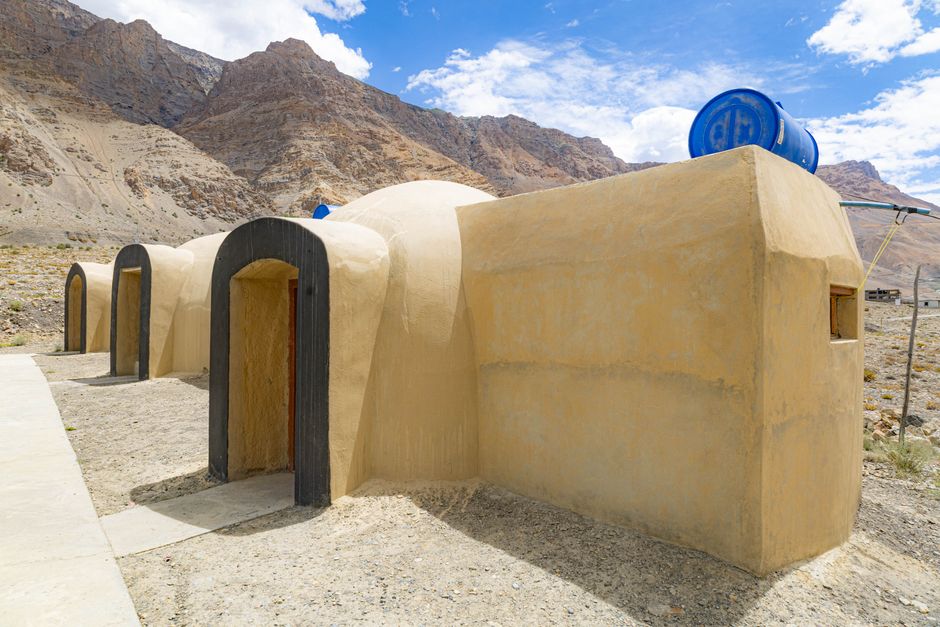
In recent years, rammed earth construction has seen a resurgence in popularity as architects and builders rediscover its potential for sustainable and aesthetically pleasing design. Modern applications of rammed earth extend beyond traditional homes to include commercial buildings, schools, and even public spaces. The versatility of rammed earth as a building material allows for innovative designs that blend contemporary architecture with the timeless appeal of earthy textures and colors. As technology advances, new techniques and materials are being introduced to enhance the structural integrity and efficiency of rammed earth buildings.
Modern Applications of Rammed Earth
Rammed earth construction has seen a resurgence in modern architecture due to its sustainable and environmentally friendly nature. Today, rammed earth buildings can be found in various settings, ranging from residential homes to commercial structures and even public buildings. Architects and designers are drawn to the aesthetic appeal of rammed earth, as it provides a unique and natural look that blends well with both traditional and contemporary designs.
Additionally, the thermal mass properties of rammed earth make it ideal for passive solar heating and cooling, reducing the energy consumption of buildings. With advancements in construction techniques and materials, modern applications of rammed earth have expanded to include innovative designs and structures that push the boundaries of traditional architecture.
Sustainability in Rammed Earth Architecture
One of the key benefits of rammed earth construction is its sustainability. Rammed earth buildings have a minimal environmental impact, as they utilize locally sourced materials and require little to no energy for construction. The use of earth as a building material is renewable and abundant, making rammed earth architecture a highly sustainable practice.
Furthermore, rammed earth buildings have excellent thermal performance, providing natural insulation and reducing the need for artificial heating and cooling systems. This leads to lower energy consumption and a smaller carbon footprint, making rammed earth architecture a preferred choice for eco-conscious builders and homeowners.
5. Sustainability in Rammed Earth Architecture
Rammed earth architecture is renowned for its sustainability, offering a blend of traditional building techniques with eco-friendly practices. The primary material used in rammed earth construction is earth itself, typically sourced locally, reducing the need for transportation and minimizing the carbon footprint associated with building materials. Additionally, the process of rammed earth construction requires minimal energy input compared to conventional building methods, making it a highly sustainable choice for environmentally conscious projects. The thermal mass properties of rammed earth walls also contribute to energy efficiency, providing natural insulation and reducing the need for heating and cooling systems.
6. Design Considerations in Rammed Earth Construction
Material Selection
Choosing the right soil composition is crucial in rammed earth construction to ensure structural integrity and durability. The soil should have the ideal mix of clay, sand, and gravel to create a cohesive and stable mixture that can withstand the elements over time.
Architectural Detailing
Architects and designers must carefully consider the design elements of rammed earth buildings to maximize their aesthetic appeal and functionality. Incorporating features such as curved walls, exposed aggregate finishes, and strategic placement of windows can enhance the visual impact and overall performance of the structure.
Design Considerations in Rammed Earth Construction
Rammed earth construction requires careful consideration of various design aspects to ensure the structural integrity and aesthetic appeal of the buildings. The choice of soil composition is crucial, as it directly impacts the strength and durability of the walls. Proper stabilization techniques, such as adding cement or lime, may be necessary to enhance the soil’s properties and prevent erosion.
Architects and engineers must also factor in the building’s orientation and roof overhangs to protect the walls from excessive moisture and sunlight exposure. Incorporating thermal mass properties of rammed earth can help regulate indoor temperatures, reducing the need for artificial heating and cooling. Additionally, integrating innovative design elements, such as curved walls or decorative patterns, can enhance the visual impact of rammed earth structures, making them both functional and aesthetically pleasing.
Future Trends in Rammed Earth Architecture
Rammed earth architecture is experiencing a resurgence as a sustainable and cost-effective building method that aligns with modern environmental concerns. Future trends in rammed earth construction are likely to focus on advancing techniques and technologies to further improve the efficiency and performance of these buildings.
With growing interest in eco-friendly construction practices, we can expect to see increased research and development in the field of rammed earth, exploring innovative approaches to enhance structural strength, energy efficiency, and design flexibility. Integrating digital tools like 3D modeling and parametric design can revolutionize the way rammed earth buildings are conceptualized and constructed, opening up new possibilities for creativity and sustainability in architecture. As the demand for sustainable buildings continues to rise, rammed earth architecture is poised to play a significant role in shaping the future of construction.
Future Trends in Rammed Earth Architecture
Rammed earth architecture is experiencing a renaissance in modern times as people seek sustainable building practices that are in harmony with the environment. As we look towards the future, there are several exciting trends emerging in the world of rammed earth construction. One of the key trends is the integration of innovative technologies to enhance the structural integrity and energy efficiency of rammed earth buildings. These technologies include the use of advanced stabilizers and additives to improve the durability and performance of rammed earth walls.
Another important trend is the adoption of contemporary design principles in rammed earth architecture. Architects are exploring new ways to incorporate rammed earth into modern building designs, creating structures that are not only sustainable but also aesthetically pleasing. Additionally, there is a growing interest in hybrid construction techniques that combine rammed earth with other materials like wood, steel, and glass to achieve innovative architectural solutions. The future of rammed earth architecture holds promise for innovative designs that push the boundaries of sustainable building practices.