
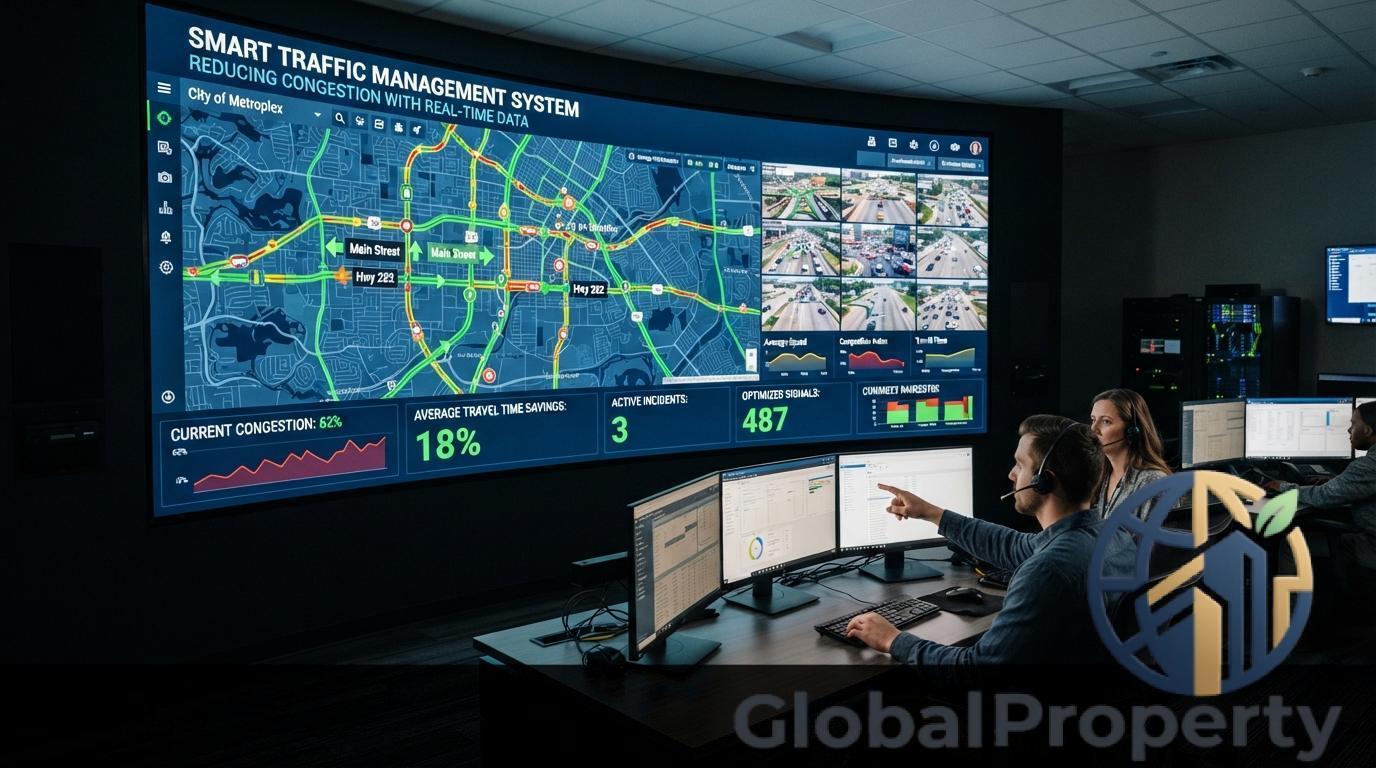
Are you tired of getting stuck in traffic jams that seem to have no end in sight? The frustration of being late for appointments, missing important meetings, or simply spending valuable time sitting in bumper-to-bumper traffic is a common experience for many of us. The core problem lies in outdated traffic management systems that struggle to keep up with the increasing number of vehicles on the road. This leads to congestion, delays, and a general sense of helplessness among commuters.
Imagine the stress and anxiety that come with being stuck in a traffic gridlock, knowing that there is little you can do to avoid it. The consequences of not addressing this issue go beyond mere inconvenience – they impact productivity, increase pollution levels, and contribute to overall dissatisfaction with urban living. The need for a smarter, more efficient solution to traffic management has never been more pressing.
Enter smart traffic management systems, powered by real-time data and advanced technology. By harnessing the power of data analytics, AI, and IoT devices, these systems offer a glimmer of hope in the fight against congestion. Imagine a world where traffic flows smoothly, alternate routes are suggested in real-time, and signals adjust dynamically to optimize traffic flow. The solution is within reach, and it promises to revolutionize the way we navigate our cities. Join us on this journey as we explore how smart traffic management systems are reshaping our urban landscapes and paving the way for a more efficient and sustainable future.
Importance of Traffic Management Systems
Traffic management systems play a crucial role in ensuring the smooth flow of vehicles on roads, reducing congestion, improving safety, and enhancing overall transportation efficiency. These systems utilize advanced technologies such as sensors, cameras, and algorithms to monitor and control traffic conditions in real-time. By analyzing data collected from various sources, traffic management systems can optimize traffic signal timings, detect incidents, and provide valuable insights for urban planning.
Benefits of Smart Traffic Management Systems
Smart traffic management systems offer a wide range of benefits for both drivers and city authorities. By leveraging real-time data and predictive analytics, these systems can significantly reduce travel times, fuel consumption, and emissions. Additionally, smart traffic management systems enhance road safety by quickly identifying and responding to accidents or hazards. They also enable cities to make data-driven decisions for improving infrastructure, optimizing traffic flow, and creating more sustainable transportation networks.
Real-Time Data in Traffic Management
Real-time data plays a crucial role in modern traffic management systems, allowing authorities to monitor and analyze traffic conditions as they happen. By collecting data from various sources such as sensors, cameras, and mobile devices, traffic managers can gain valuable insights into traffic flow, congestion levels, and potential issues on the road. This real-time information enables authorities to make informed decisions quickly, optimize traffic signal timings, and even reroute vehicles to alleviate congestion.
Benefits of Smart Traffic Management Systems
Smart traffic management systems offer a wide range of benefits, including improved traffic flow, reduced congestion, enhanced safety, and lower environmental impact. By leveraging advanced technologies like AI, IoT, and data analytics, these systems can optimize traffic signals, detect incidents in real-time, and provide alternative routes to drivers. Additionally, smart traffic management systems can help cities reduce carbon emissions, save time for commuters, and enhance overall quality of life by creating more efficient and sustainable transportation networks.
4. Benefits of Smart Traffic Management Systems
Smart Traffic Management Systems offer a wide range of benefits that significantly enhance traffic flow and safety in urban areas. By utilizing advanced technologies such as AI, IoT, and data analytics, these systems can optimize traffic signal timings, detect and respond to incidents in real-time, and provide valuable insights for planning and decision-making. One key benefit is the reduction of congestion, which not only improves travel times for commuters but also decreases fuel consumption and emissions, contributing to a cleaner environment.
Moreover, Smart Traffic Management Systems enhance road safety by effectively managing intersections, pedestrian crossings, and school zones. By integrating with smart sensors and cameras, these systems can detect potential hazards and alert authorities to take swift action. Additionally, the data collected by these systems can be used to analyze traffic patterns, identify bottlenecks, and optimize infrastructure investments for long-term efficiency and sustainability.
5. Implementing Smart Traffic Management Systems
Implementing Smart Traffic Management Systems requires a strategic approach that involves collaboration among government agencies, technology providers, and urban planners. The first step is to assess the existing traffic infrastructure and identify key areas for improvement. Next, selecting the right mix of technologies and solutions tailored to the specific needs of the city is crucial for successful implementation.
Training and capacity building for personnel involved in operating and maintaining these systems are essential to ensure smooth operations and maximize the benefits. Ongoing monitoring and evaluation are also necessary to fine-tune the system, address any issues that arise, and continuously improve performance. Ultimately, the successful implementation of Smart Traffic Management Systems can transform urban mobility, making cities more livable, sustainable, and efficient for residents and visitors alike.
Implementing Smart Traffic Management Systems
Implementing smart traffic management systems involves the installation of advanced technologies and infrastructure to optimize traffic flow, reduce congestion, and enhance safety on roadways. These systems utilize a combination of sensors, cameras, and data analytics to monitor traffic conditions in real-time and make intelligent decisions to improve traffic management. By deploying smart traffic management systems, cities can better manage traffic flow, reduce travel times, lower emissions, and improve overall transportation efficiency.
Case Studies of Successful Traffic Management Projects
Case studies of successful traffic management projects showcase the positive impact of implementing smart traffic solutions in various cities around the world. These projects demonstrate how leveraging real-time data and advanced technologies can lead to significant improvements in traffic flow, safety, and sustainability. By analyzing these case studies, city planners and transportation authorities can learn from successful implementations and tailor solutions to address specific challenges in their own urban environments.
6. Case Studies of Successful Traffic Management Projects
Los Angeles Smart Traffic Management System: The city of Los Angeles implemented a smart traffic management system that utilized real-time data to optimize traffic flow and reduce congestion. By integrating sensors, cameras, and adaptive traffic signals, the system was able to dynamically adjust signal timings based on traffic conditions. As a result, commute times were reduced by up to 25%, leading to improved air quality and overall quality of life for residents.
Singapore’s Electronic Road Pricing (ERP) System: Singapore’s ERP system is a prime example of a successful traffic management project that leverages technology to manage congestion and reduce traffic volume during peak hours. By implementing a dynamic pricing system that adjusts toll rates based on traffic conditions, Singapore has been able to effectively control traffic flow and encourage alternative modes of transportation. The system has significantly reduced traffic jams and improved overall traffic efficiency in the city-state.
Future Trends in Smart Traffic Management Systems
Advancements in technology continue to shape the future of smart traffic management systems. The integration of artificial intelligence and machine learning is expected to revolutionize how traffic flow is optimized. These technologies can analyze vast amounts of data in real-time, leading to more efficient traffic management and reduced congestion. Additionally, the rise of connected vehicles and smart infrastructure will enable better communication between vehicles and traffic control systems, further enhancing overall traffic management.
Future Trends in Smart Traffic Management Systems
Environmental sustainability is becoming a key focus in the development of smart traffic management systems. Solutions that prioritize reducing emissions and promoting green transportation alternatives are gaining traction. Additionally, the concept of smart cities is driving innovation in traffic management, with a focus on creating integrated systems that improve mobility, safety, and sustainability. As urban populations continue to grow, the need for smarter and more efficient traffic management solutions will only become more pressing.