
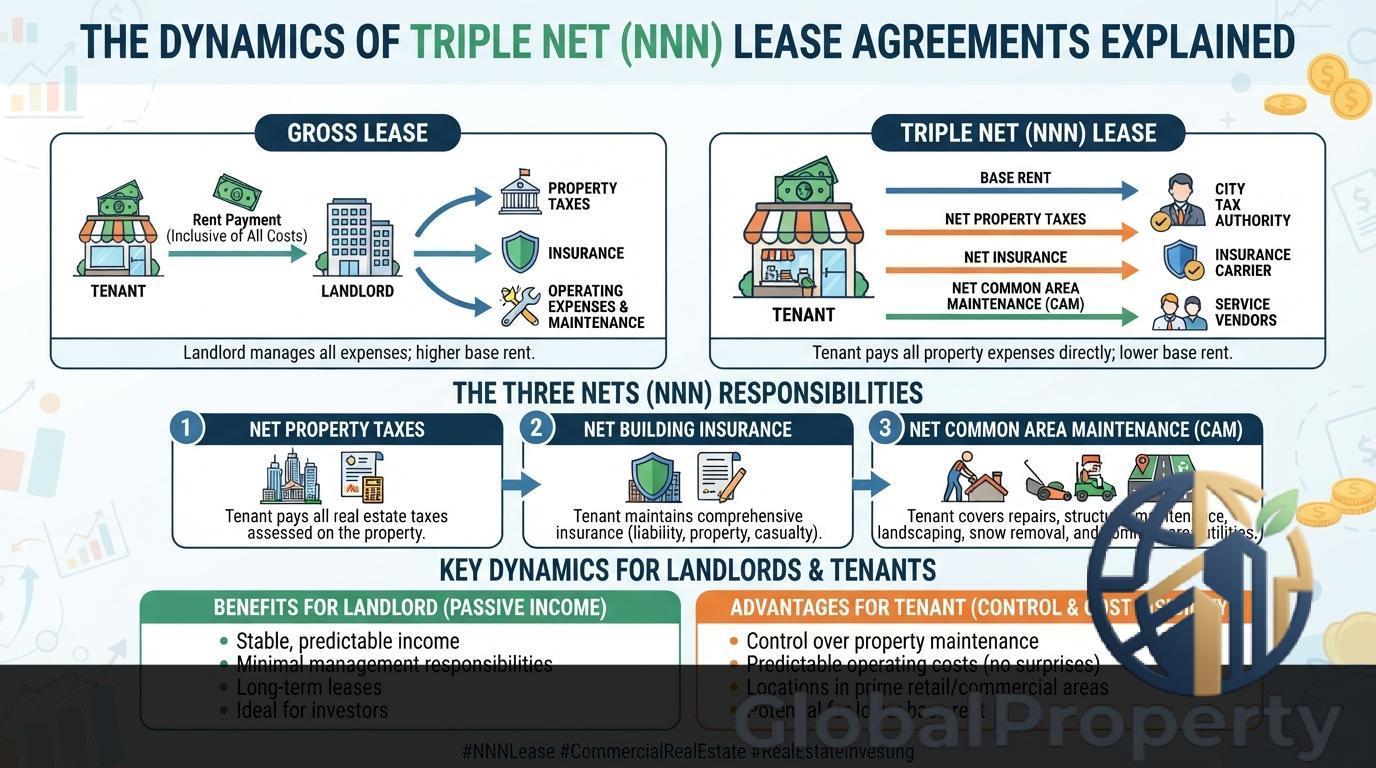
Are you tired of navigating the complexities of commercial real estate leases, specifically Triple Net (NNN) lease agreements? If so, you’re not alone. Many individuals and businesses find themselves grappling with the intricate details and nuances of NNN leases, often leading to confusion, frustration, and potential financial pitfalls. Understanding the dynamics of these agreements is crucial for both landlords and tenants to ensure a mutually beneficial and sustainable leasing relationship.
Imagine the stress and uncertainty that come with entering into a Triple Net lease without a clear understanding of its implications. From unexpected maintenance costs to fluctuating property taxes and insurance premiums, the financial burden can quickly escalate, leaving you scrambling to cover unforeseen expenses. The lack of transparency and knowledge surrounding NNN leases can lead to disputes, misunderstandings, and even legal ramifications, putting your investment and financial stability at risk.
But fear not, as we delve into the intricacies of Triple Net lease agreements, demystifying the jargon and providing you with the tools and insights you need to navigate this complex terrain with confidence. By gaining a comprehensive understanding of the dynamics of NNN leases, you will be empowered to make informed decisions, negotiate favorable terms, and ultimately secure a lease agreement that aligns with your financial goals and expectations. Join us on this enlightening journey as we unravel the mysteries of Triple Net leases and equip you with the knowledge to thrive in the world of commercial real estate.
Pros and Cons of Investing in NNN Lease Properties
Pros: Investing in NNN lease properties can be attractive for investors seeking passive income with minimal management responsibilities. With a Triple Net Lease agreement, the tenant is typically responsible for all property expenses, including taxes, insurance, and maintenance. This can provide a stable and predictable cash flow for the property owner, as well as potentially higher yields compared to traditional real estate investments.
Cons: Despite the benefits, there are also potential drawbacks to investing in NNN lease properties. One key consideration is the reliance on the tenant’s business performance, as vacancies or lease defaults can impact rental income. Additionally, property owners may have limited control over property management decisions, as tenants are responsible for maintenance and repairs. It’s essential for investors to carefully evaluate the financial stability of tenants and thoroughly review lease agreements before committing to NNN investments.
Key Factors to Consider Before Signing a NNN Lease Agreement
Before signing a NNN lease agreement, it’s crucial to consider several key factors to ensure a successful investment. Firstly, thoroughly evaluate the creditworthiness and stability of the tenant, as their ability to fulfill lease obligations directly impacts the property’s income potential. Additionally, understanding the terms of the lease agreement, including rent escalation clauses and responsibilities for property expenses, is essential for managing financial risks.
Property location and market conditions also play a significant role in NNN investments. Analyzing the local market trends, demand for commercial properties, and potential for property appreciation can help investors make informed decisions. Lastly, consulting with legal and financial professionals to review lease agreements and ensure compliance with legal regulations can provide added protection and peace of mind for investors entering into NNN lease agreements.
Key Factors to Consider Before Signing a NNN Lease Agreement
Before signing a NNN lease agreement, it is crucial to carefully consider several key factors to ensure a successful investment. Firstly, understanding the financial stability and creditworthiness of the tenant is essential. A strong tenant with a proven track record reduces the risk of potential lease defaults and ensures a steady income stream for the landlord. Additionally, evaluating the location of the property is vital. Factors such as demographics, traffic patterns, and surrounding businesses can significantly impact the property’s value and potential for long-term success.
Common Misconceptions About NNN Lease Agreements
There are several common misconceptions surrounding NNN lease agreements that investors should be aware of. One prevalent misconception is that NNN leases are entirely hands-off investments. While tenants are responsible for property maintenance, landlords still need to stay informed and involved in property management to protect their investment. Another misconception is that all NNN properties guarantee high returns. In reality, thorough due diligence and careful selection of properties and tenants are crucial to maximizing returns and mitigating risks in NNN lease investments.
Legal Considerations in NNN Lease Agreements
Legal considerations play a significant role in NNN lease agreements and can impact the rights and obligations of both landlords and tenants. It is essential for both parties to clearly outline responsibilities related to property maintenance, repairs, insurance, and real estate taxes in the lease agreement. Understanding state-specific laws and regulations governing NNN leases is crucial to ensure compliance and avoid potential legal disputes. Seeking legal advice from experienced real estate attorneys can help landlords and tenants navigate complex legal issues and protect their interests in NNN lease agreements.

4. Negotiating Terms in a Triple Net Lease Agreement
Negotiating terms in a triple net lease agreement is a crucial step in ensuring a mutually beneficial arrangement between the landlord and the tenant. Key considerations during negotiations include the allocation of responsibilities for property maintenance, repairs, and insurance. Landlords typically seek to pass on as many costs as possible to the tenant, while tenants aim to limit their financial exposure.
Other important terms to negotiate in a triple net lease agreement may include lease duration, rent escalation clauses, options for lease renewal, subleasing rights, and assignment provisions. It’s essential for both parties to clearly outline their expectations and obligations in the lease agreement to avoid misunderstandings and disputes in the future.
5. Common Misconceptions About NNN Lease Agreements
Common misconceptions about NNN lease agreements often revolve around the level of control tenants have over the property. Contrary to popular belief, tenants in NNN leases have a high degree of responsibility for property maintenance and expenses, which can sometimes lead to unforeseen costs.
Another misconception is that NNN leases are always more profitable for landlords. While these leases can provide a steady income stream, landlords should carefully evaluate the creditworthiness of tenants and the potential risks associated with property maintenance and vacancies. Understanding these misconceptions can help both landlords and tenants make informed decisions when entering into NNN lease agreements.
Common Misconceptions About NNN Lease Agreements
NNN lease agreements are often misunderstood by both novice and experienced investors alike. One common misconception is that NNN leases guarantee a hands-off investment without any responsibilities for the landlord. In reality, while tenants are responsible for most expenses, landlords still need to oversee property maintenance and ensure compliance with lease terms. Another misconception is that NNN leases always provide stable and long-term income. However, factors like tenant creditworthiness, market conditions, and property location can impact the investment’s profitability.
Case Studies: Successful NNN Lease Investments
Examining successful NNN lease investments can offer valuable insights for potential investors. Case studies showcase real-world examples of properties that have generated consistent income and appreciation over time. By analyzing these success stories, investors can learn about factors like tenant selection, property management strategies, lease negotiation tactics, and market trends that contribute to a profitable NNN investment. Understanding these case studies can help investors make informed decisions when evaluating potential NNN lease opportunities.
Common Misconceptions About NNN Lease Agreements
One common misconception about NNN lease agreements is that they are entirely risk-free for the property owner. While it is true that tenants are responsible for maintenance, taxes, and insurance, there are still risks involved. Property owners should be aware that tenants may default on lease payments, leaving them with vacant properties and potential financial losses. It’s important to thoroughly vet potential tenants and ensure they have a strong financial standing to mitigate these risks.
Another misconception is that NNN leases always result in a passive income stream. While these leases can provide steady cash flow, property owners may still need to be involved in property management to some extent. Regular communication with tenants, monitoring property condition, and addressing any issues that arise are all part of ensuring a successful NNN lease investment.
Case Studies: Successful NNN Lease Investments
Case studies of successful NNN lease investments can provide valuable insights for property owners looking to enter this market. By examining real-world examples of properties with long-term, creditworthy tenants, investors can learn about the factors that contribute to a successful NNN lease agreement. These case studies often highlight the importance of location, tenant quality, lease terms, and property condition in achieving a positive return on investment.
Additionally, case studies can showcase the potential benefits of a well-structured NNN lease, such as predictable cash flow, lower management responsibilities, and potential tax advantages. Analyzing successful NNN lease investments can help investors make informed decisions and avoid common pitfalls in this complex real estate sector.
Legal Considerations in NNN Lease Agreements
NNN lease agreements are complex legal documents that require careful consideration and understanding before signing. It is crucial for both landlords and tenants to be aware of their rights and responsibilities outlined in the lease. Legal considerations in NNN leases typically include provisions related to property maintenance, insurance, taxes, and common area expenses. Tenants should pay close attention to the lease terms regarding property improvements, repair responsibilities, and potential cost escalations. Landlords, on the other hand, need to ensure that the lease protects their interests and provides mechanisms for resolving disputes.
Case Studies: Successful NNN Lease Investments
Case studies of successful NNN lease investments can provide valuable insights for potential investors looking to enter this market. By analyzing real-world examples of profitable NNN lease properties, investors can learn about the factors that contribute to success, such as location, tenant quality, lease terms, and market conditions. These case studies can also highlight potential pitfalls to avoid and best practices to implement when considering NNN lease investments. Learning from the experiences of others can help investors make informed decisions and maximize their chances of achieving long-term financial success in the NNN lease market.