
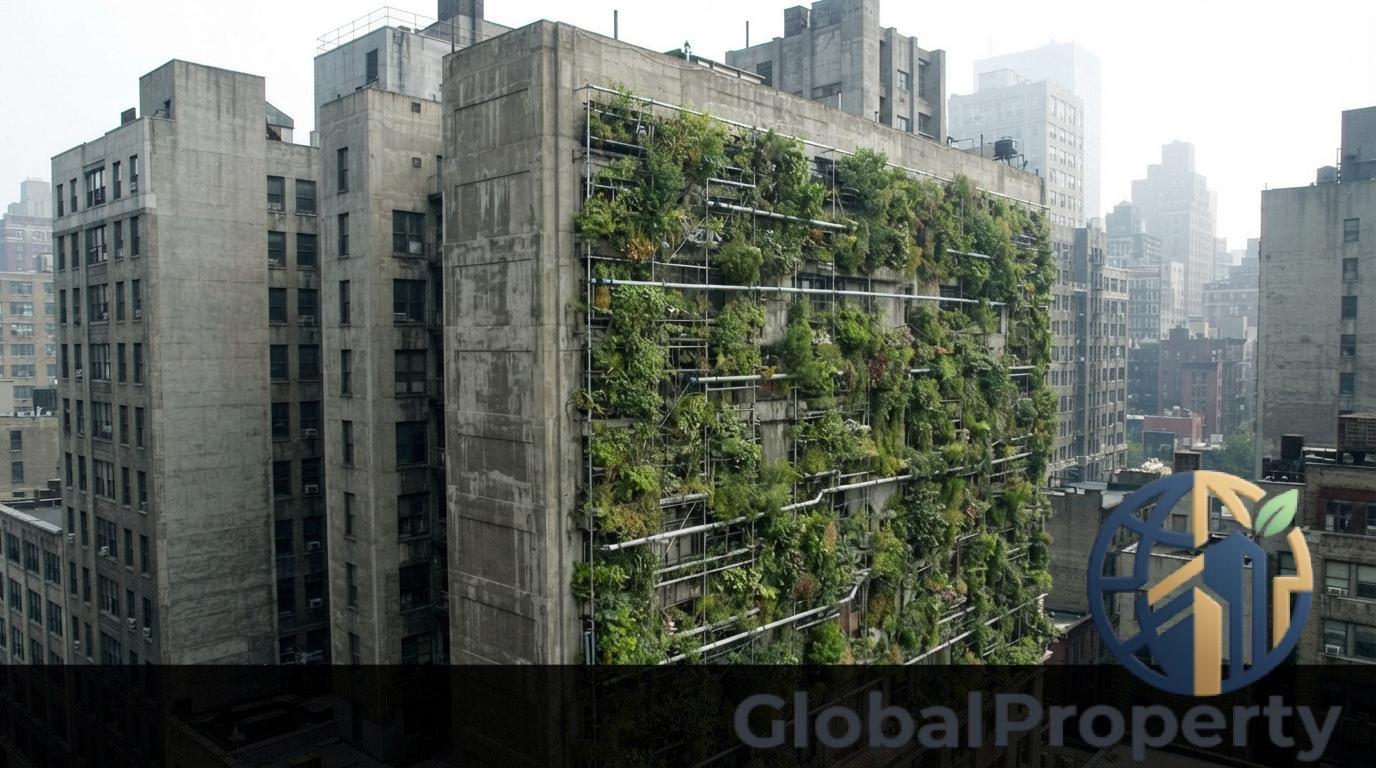
Do you ever find yourself surrounded by endless stretches of concrete, steel, and glass, yearning for a breath of fresh air or a glimpse of nature’s soothing greenery? The modern urban landscape, with its towering skyscrapers and labyrinthine roadways, often leaves us feeling disconnected from the natural world. This disconnect is the core problem faced by many city dwellers today – the longing for green spaces and a touch of nature in the midst of concrete jungles.
Imagine waking up every morning to the harsh glare of sunlight bouncing off cold, lifeless buildings, with no respite in sight. The lack of greenery not only affects our mental well-being but also impacts the environment, contributing to urban heat islands and air pollution. The constant hustle and bustle of city life, without the calming influence of nature, can lead to stress, anxiety, and a sense of alienation from the world around us.
But what if there was a solution to this modern-day dilemma? Enter vertical gardens and green spaces – a revolutionary concept that brings nature back into our urban environments. These innovative structures not only beautify concrete jungles but also provide a host of benefits, from improving air quality to reducing energy consumption. By integrating vertical gardens and green spaces into our cities, we can create healthier, more sustainable urban environments that enhance our quality of life. Join us on a journey through the evolution of these green oases amidst the chaos of city living, and discover how they are transforming our concrete jungles into vibrant, sustainable havens of tranquility.
Vertical Gardens: A Sustainable Solution for Urban Areas
Vertical gardens are revolutionizing the way we integrate green spaces in urban environments. These innovative structures not only add aesthetic value but also serve as a sustainable solution for densely populated urban areas. By utilizing vertical space, these gardens maximize greenery without taking up precious ground space. They provide numerous benefits such as improved air quality, temperature regulation, and noise reduction.
Moreover, vertical gardens contribute to urban biodiversity by providing habitats for various plant species and insects. They also play a crucial role in enhancing ecosystems within cities. As urban areas continue to expand, vertical gardens offer a practical and eco-friendly way to incorporate nature into the concrete jungle, promoting a healthier and more sustainable environment for urban dwellers.
The Rise of Biophilic Design in Architecture
Biophilic design is a concept that integrates nature and natural elements into the built environment to create spaces that benefit human health and well-being. In architecture, this approach seeks to reconnect people with nature by incorporating elements such as natural light, greenery, and natural materials. By bringing nature into urban settings, biophilic design aims to reduce stress, improve cognitive function, and enhance overall quality of life for inhabitants.
Architects and designers are increasingly embracing biophilic design principles in their projects as a response to the growing urbanization and the need for sustainable and healthy living environments. By blurring the boundaries between indoor and outdoor spaces and incorporating elements inspired by nature, biophilic design not only enhances the aesthetic appeal of buildings but also contributes to a more sustainable and harmonious relationship between humans and their surroundings.
Incorporating Nature into Urban Planning: Strategies and Challenges
Urban planning plays a crucial role in creating cities that are not only functional but also sustainable and livable. Integrating nature into urban planning involves strategies such as creating green corridors, establishing green roofs and walls, and preserving existing green spaces. However, challenges such as limited space, competing interests, and budget constraints often pose obstacles to incorporating nature into urban environments.
Despite these challenges, many cities around the world are exploring innovative solutions to incorporate nature into urban planning. From community gardens to urban parks, sustainable landscaping to green infrastructure, integrating nature into urban environments not only improves the physical environment but also fosters a sense of community, enhances biodiversity, and promotes overall well-being for urban dwellers.
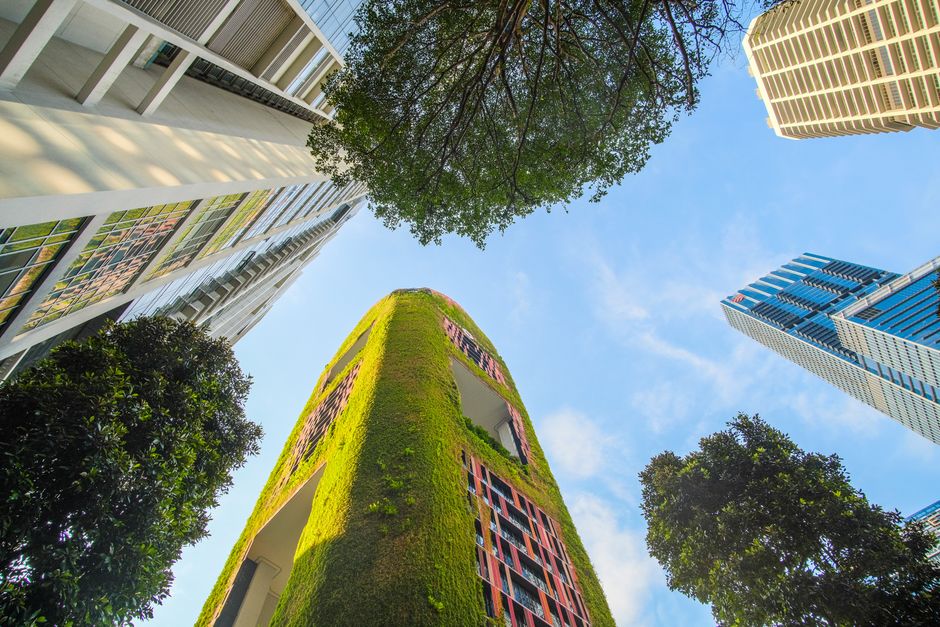
Case Study: Transforming Cityscapes with Vertical Gardens
Vertical gardens have emerged as a creative and sustainable solution for enhancing urban environments and combating issues like air pollution and heat islands. One compelling case study showcases the transformation of barren cityscapes into vibrant green spaces through the installation of vertical gardens. These vertical structures not only add aesthetic value but also contribute to improving air quality, reducing energy consumption, and fostering biodiversity within urban areas.
The Psychological Impact of Green Spaces on Urban Dwellers
Green spaces in urban environments have been shown to have a positive impact on the mental health and well-being of city dwellers. Access to nature within city limits can help reduce stress, anxiety, and depression, while also promoting physical activity and social interaction. Studies have demonstrated that incorporating green elements into urban design can lead to increased happiness, improved cognitive function, and a greater sense of community among residents.
5. The Psychological Impact of Green Spaces on Urban Dwellers
Green spaces in urban environments play a crucial role in enhancing the psychological well-being of city dwellers. Research has shown that access to green areas within cities can help reduce stress, anxiety, and depression among residents. The presence of nature in urban settings provides a sense of calm and tranquility, offering a much-needed respite from the hustle and bustle of city life.
Furthermore, green spaces promote physical activity and social interaction, contributing to improved mental health and overall quality of life. The sight of trees, plants, and open spaces can have a positive impact on mood and cognitive function, creating a more pleasant and welcoming urban environment for residents to enjoy.
6. Incorporating Nature into Urban Planning: Strategies and Challenges
Nature integration in urban planning is becoming increasingly crucial as cities expand and green spaces dwindle. Strategies for incorporating nature into urban environments include green roofs, urban forests, rooftop gardens, and sustainable landscaping techniques. These strategies not only enhance the aesthetic appeal of cities but also provide numerous environmental benefits such as improved air quality, reduced urban heat island effect, and increased biodiversity.
However, challenges exist in implementing nature-centric urban planning. Land scarcity, budget constraints, and lack of awareness are some of the key obstacles faced by city planners. Overcoming these challenges requires collaboration between various stakeholders, innovative design solutions, and long-term commitment to sustainable development. By addressing these challenges, cities can create more livable, resilient, and environmentally friendly urban spaces for present and future generations.
Vertical Gardens: Enhancing Urban Biodiversity and Ecosystems
Vertical gardens play a crucial role in enhancing urban biodiversity and ecosystems by providing a habitat for a variety of plant species and insects. These green installations not only beautify concrete jungles but also create a more sustainable environment for both flora and fauna. By integrating vertical gardens into urban landscapes, cities can promote biodiversity conservation and improve overall ecosystem health.
Furthermore, vertical gardens act as green corridors that connect different green spaces within the city, allowing for the movement of wildlife and enhancing the overall ecological balance. Through the creation of these vertical green spaces, urban areas can support a more diverse range of plant and animal species, contributing to the resilience and long-term sustainability of the urban ecosystem.