
Are you tired of the uncertainty and risks associated with financial transactions? Imagine this: you’re about to make a significant purchase or enter into a high-stakes agreement, but you’re hesitant because you’re not sure if the other party will fulfill their end of the deal. The fear of being left empty-handed or falling victim to fraud looms over you, casting a shadow of doubt on what should be a straightforward transaction. This lack of trust and security in financial dealings is a common dilemma faced by many individuals and businesses alike.
Now, picture the stress and anxiety that come with not having a safety net in place for your financial transactions. The potential loss of money, time, and resources due to the dishonesty of others can be devastating. Countless stories of deals gone wrong, funds disappearing, and agreements being breached serve as cautionary tales of what could happen when trust is broken in financial matters. The repercussions of such incidents can have long-lasting effects on your financial stability and reputation, making it crucial to find a reliable solution.
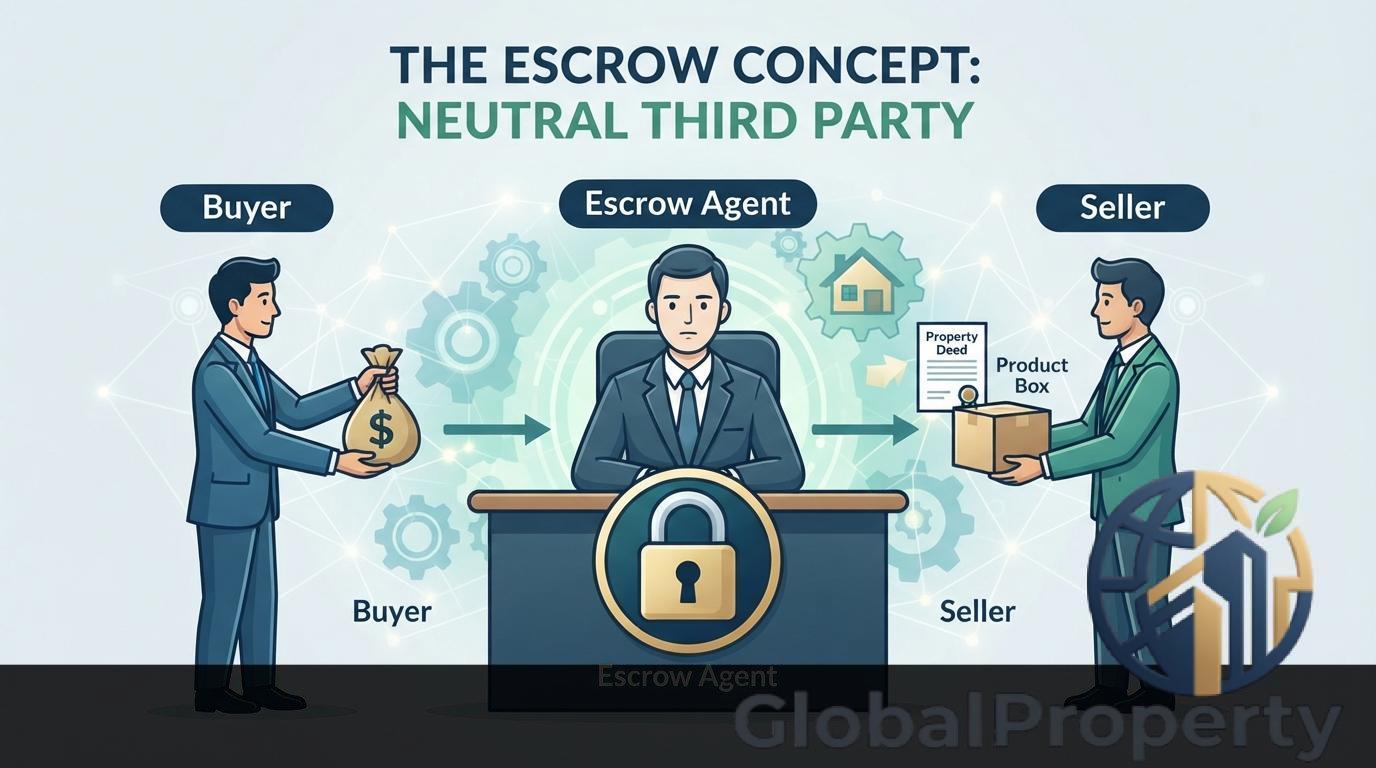
Enter escrow accounts – the unsung heroes of secure financial transactions. By utilizing escrow services, you can safeguard your funds and ensure that both parties fulfill their obligations before the transaction is finalized. These specialized accounts act as a neutral third party, holding the funds until all conditions of the agreement are met, providing a level playing field for all involved. Say goodbye to sleepless nights worrying about the integrity of your transactions and embrace the peace of mind that comes with the protection offered by escrow accounts. Get ready to delve into the world of secure financial dealings and discover how escrow accounts can revolutionize the way you approach transactions.
Benefits of Using Escrow Accounts for Financial Transactions
Escrow accounts offer a secure and reliable way to facilitate financial transactions for both buyers and sellers. One of the key benefits of using escrow accounts is the protection they provide against fraud and non-payment. By placing funds in an escrow account, the buyer can ensure that the seller will only receive payment once the agreed-upon conditions are met, providing peace of mind to both parties.
Additionally, escrow accounts help streamline the transaction process by acting as a neutral third party that oversees the transfer of funds and documents. This minimizes the risk of disputes and misunderstandings between the parties involved. Overall, the use of escrow accounts can enhance trust and transparency in financial transactions, making them a valuable tool for ensuring smooth and secure exchanges of goods and services.
Understanding the Importance of Escrow Accounts in Real Estate Deals
Escrow accounts play a crucial role in real estate transactions by acting as a neutral third-party intermediary between the buyer and seller. When a buyer makes an offer on a property, they typically deposit earnest money into an escrow account to demonstrate their commitment to the purchase. This money is held by the escrow agent until all conditions of the sale are met, ensuring that both parties fulfill their obligations.
Having an escrow account in real estate deals helps protect the interests of all parties involved. It provides a secure way to handle funds, ensures that the transaction progresses smoothly, and reduces the risk of fraud or disputes. By having a designated account for holding funds during the transaction, buyers and sellers can have peace of mind knowing that their money is safe until the deal is finalized.
Tips for Setting Up and Managing an Escrow Account Successfully
Setting up and managing an escrow account requires careful attention to detail to avoid any potential issues during the transaction process. It’s essential to choose a reputable escrow agent or company with experience in handling real estate transactions. Ensure that all terms and conditions of the escrow agreement are clearly outlined and understood by all parties involved.
Regular communication with the escrow agent is key to successfully managing an escrow account. Stay informed about the progress of the transaction, provide any necessary documentation promptly, and address any concerns or questions that may arise. By following these tips and being proactive in managing the escrow account, buyers and sellers can navigate the real estate transaction process with confidence and security.
Understanding the Importance of Escrow Accounts in Real Estate Deals
An escrow account plays a crucial role in real estate transactions by acting as a neutral third-party intermediary that holds funds during the buying and selling process. In a real estate deal, the buyer deposits the earnest money into the escrow account to show their commitment to the purchase. The funds are then held securely until all conditions of the sale are met, such as inspections, appraisals, and financing approval. Once all requirements are satisfied, the escrow agent disburses the funds to the seller, ensuring a smooth and secure closing process.
Escrow Accounts vs. Direct Payments: A Comparison
When comparing escrow accounts to direct payments in financial transactions, one key difference is the level of security and protection they offer. Escrow accounts provide a secure way to hold funds until all parties fulfill their obligations, reducing the risk of fraud or non-payment. In contrast, direct payments involve transferring funds directly between parties, without the oversight and protection of a neutral escrow agent. While direct payments may offer more convenience, they also come with higher risks, making escrow accounts a preferred choice for ensuring a safe and transparent transaction process.
5. Tips for Setting Up and Managing an Escrow Account Successfully
Setting up an escrow account requires careful planning and attention to detail. First and foremost, it is essential to choose a reputable escrow agent or company to manage the account. Make sure to review the terms and conditions of the escrow agreement thoroughly to understand your rights and responsibilities. Provide all necessary documentation promptly to avoid delays in the process.
Managing an escrow account effectively involves regular monitoring and communication with the escrow agent. Keep track of important dates and deadlines related to the escrow account, such as payment schedules and disbursement terms. Be proactive in addressing any issues or discrepancies that may arise during the transaction to ensure a smooth and successful outcome.
Legal Requirements and Regulations Surrounding Escrow Accounts
Escrow accounts are subject to strict legal requirements and regulations to ensure the protection of funds and compliance with financial laws. These accounts are typically governed by state laws, with specific guidelines on how they should be managed and utilized. For example, in real estate transactions, escrow accounts must adhere to regulations set by the Real Estate Settlement Procedures Act (RESPA) to prevent fraud and ensure fair practices.
Regulatory bodies such as the Consumer Financial Protection Bureau (CFPB) oversee the use of escrow accounts to safeguard consumers and maintain transparency in financial dealings. Lenders, real estate agents, and other parties involved in escrow transactions must follow these regulations to avoid legal repercussions and protect the interests of all parties. Understanding and complying with the legal requirements surrounding escrow accounts is crucial for upholding the integrity of financial transactions and fostering trust among participants.
Common Misconceptions About Escrow Accounts in Financial Transactions
Despite their importance in financial transactions, escrow accounts are often misunderstood by consumers and even some industry professionals. One common misconception is that escrow accounts are only necessary for large transactions or real estate deals. In reality, escrow accounts can be beneficial for various financial transactions, providing a secure way to hold funds until certain conditions are met.
Another misconception is that escrow accounts are unnecessary because direct payments can achieve the same purpose. While direct payments are an alternative, escrow accounts offer an added layer of security and protection for both buyers and sellers. By dispelling these misconceptions and understanding the true value of escrow accounts, individuals can make informed decisions to enhance the safety and efficiency of their financial transactions.
Common Misconceptions About Escrow Accounts in Financial Transactions
Escrow accounts are often misunderstood in financial transactions, leading to misconceptions that can impact one’s decision-making process. One common misconception is that escrow accounts are only necessary for large transactions or real estate deals. In reality, escrow accounts can be beneficial for any financial transaction where a third-party intermediary can help ensure a secure exchange of funds. Another misconception is that escrow accounts are complicated and time-consuming to set up. With the advancement of online platforms and services, setting up and managing an escrow account has become more convenient and user-friendly than ever before.