
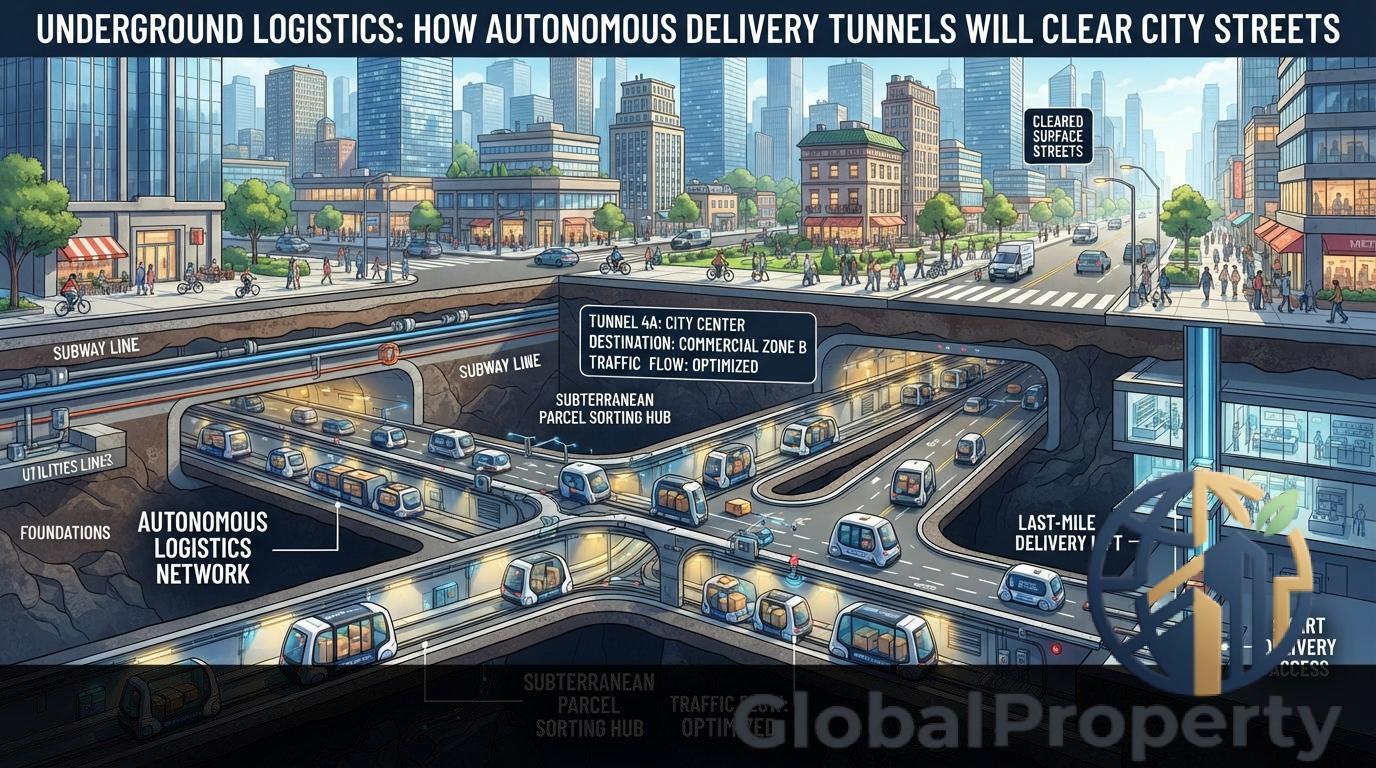
Tired of the chaotic mess that city streets have become, clogged with delivery trucks and congested with traffic? Imagine a future where these streets are cleared, where the incessant honking and bumper-to-bumper gridlock are replaced with a smooth flow of traffic and pedestrians reclaiming the urban landscape. The core problem we face in modern cities is the inefficient and unsustainable delivery system that relies heavily on traditional surface transportation methods. But what if there was a revolutionary solution that could transform the way goods are transported, making our cities cleaner, safer, and more livable?
Picture this: as you navigate the bustling sidewalks, you’re constantly dodging delivery trucks double-parked in a rush to drop off packages. The frustration mounts as you witness the environmental impact of these vehicles, their emissions contributing to pollution and climate change. Not to mention the safety hazards posed by these oversized trucks maneuvering through narrow city streets, putting pedestrians and cyclists at risk. The consequences of maintaining the status quo are dire – increased pollution, traffic accidents, and a declining quality of life in our urban centers.
Enter autonomous delivery tunnels, the innovative solution poised to revolutionize urban logistics. These underground networks offer a game-changing alternative to traditional surface transportation, seamlessly transporting goods beneath the city’s hustle and bustle. Imagine a labyrinth of tunnels, where autonomous electric vehicles silently glide beneath your feet, efficiently delivering packages while keeping the streets above ground clear and accessible. With this cutting-edge technology, we have the opportunity to reshape our cities, creating a more sustainable, efficient, and enjoyable urban environment. Get ready to explore how autonomous delivery tunnels will transform the future of logistics and clear the way for a better city living experience.
Current Challenges in Urban Logistics
Urban logistics face numerous challenges due to the increasing demand for fast and efficient delivery services in congested city centers. Traffic congestion, limited parking spaces, and strict regulations pose significant hurdles for traditional delivery methods. Last-mile delivery, in particular, is a major challenge as it accounts for a significant portion of the delivery cost and time.
The Rise of Autonomous Delivery Systems
The emergence of autonomous delivery systems offers a promising solution to the challenges faced in urban logistics. By leveraging cutting-edge technology such as artificial intelligence and robotics, autonomous delivery systems can navigate through crowded urban areas more efficiently and safely than traditional delivery vehicles. These systems have the potential to revolutionize last-mile delivery by reducing costs, improving delivery times, and minimizing environmental impact.
3. The Rise of Autonomous Delivery Systems
Autonomous delivery systems are revolutionizing the logistics industry by introducing cutting-edge technology to streamline the delivery process. These systems utilize advanced algorithms and sensors to navigate urban environments efficiently, reducing delivery times and costs. Companies are investing heavily in research and development to perfect autonomous vehicles and drones for last-mile delivery. The rise of autonomous delivery systems is reshaping traditional logistics models, offering a glimpse into a future where deliveries are fast, reliable, and environmentally friendly.
4. Understanding Underground Delivery Tunnels
Underground delivery tunnels are emerging as a novel solution to urban logistics challenges, providing a dedicated infrastructure for efficient and secure delivery operations. By utilizing underground space, these tunnels offer a congestion-free route for autonomous delivery vehicles, ensuring timely and safe deliveries. The concept of underground delivery tunnels is gaining traction as cities look for innovative ways to optimize their logistics networks. With the potential to alleviate traffic congestion and reduce emissions, underground delivery tunnels present a promising solution for the future of urban logistics.
Understanding Underground Delivery Tunnels
Underground delivery tunnels are revolutionizing urban logistics by providing a unique solution to the challenges of last-mile delivery. These tunnels utilize cutting-edge technology and automation to transport goods efficiently and sustainably beneath city streets. By bypassing traffic congestion and optimizing delivery routes, underground tunnels offer a streamlined and cost-effective way to fulfill the growing demand for fast and reliable deliveries in urban areas.
Benefits of Autonomous Delivery Tunnels
The benefits of autonomous delivery tunnels are manifold. They not only reduce traffic congestion and carbon emissions but also offer enhanced security and privacy for deliveries. By leveraging autonomous vehicles and smart logistics systems, these tunnels ensure timely and accurate deliveries while minimizing human error. Additionally, underground tunnels can help optimize warehouse operations and inventory management, leading to increased efficiency and customer satisfaction.
Benefits of Autonomous Delivery Tunnels
Autonomous delivery tunnels represent a groundbreaking solution to the myriad challenges facing urban logistics today. By utilizing underground tunnels for delivery, businesses can circumvent traffic congestion, reduce carbon emissions, and streamline the entire delivery process. These tunnels provide a dedicated and efficient route for autonomous delivery vehicles, ensuring timely and secure transportation of goods. Furthermore, the use of autonomous technology minimizes human error, leading to increased accuracy and reliability in deliveries.
One of the key advantages of autonomous delivery tunnels is their ability to operate 24/7, enhancing the speed and efficiency of deliveries. By leveraging advanced technology such as AI and robotics, these tunnels can optimize routes, handle large volumes of packages, and adapt to changing traffic conditions in real-time. As a result, businesses can significantly improve their supply chain management, customer satisfaction, and overall operational efficiency with the implementation of autonomous delivery tunnels.
Benefits of Autonomous Delivery Tunnels
Enhanced Efficiency: Autonomous delivery tunnels offer a significant boost in efficiency by streamlining the delivery process. By utilizing underground tunnels, packages can be transported swiftly and directly to their destinations, bypassing traffic congestion and other urban obstacles. This efficiency leads to faster delivery times and ultimately improved customer satisfaction.
Reduced Environmental Impact: Underground delivery tunnels contribute to a reduction in carbon emissions and traffic congestion in urban areas. By minimizing the need for traditional delivery vehicles on the road, autonomous delivery systems help lower pollution levels and promote a more sustainable approach to logistics. This eco-friendly aspect not only benefits the environment but also aligns with the growing demand for greener transportation solutions.
Implementation and Future Prospects
Implementation Challenges: The successful implementation of autonomous delivery tunnels requires careful planning, investment in infrastructure, and collaboration with local authorities. Overcoming regulatory hurdles, ensuring safety standards, and integrating tunnel systems with existing logistics networks are key challenges that need to be addressed for widespread adoption.
Future Prospects: Despite the challenges, the future prospects of autonomous delivery tunnels are promising. As technology continues to advance and urban populations grow, the demand for efficient and sustainable delivery solutions will only increase. With further innovation and investment, autonomous delivery tunnels have the potential to revolutionize urban logistics, setting a new standard for fast, reliable, and environmentally friendly delivery services.
Conclusion
Urban logistics is undergoing a transformation with the emergence of autonomous delivery systems and underground delivery tunnels. These innovative solutions are poised to address the current challenges faced by traditional logistics networks in congested urban areas. As cities continue to grow and consumer expectations evolve, the need for efficient and sustainable delivery methods becomes increasingly crucial.
The successful implementation of autonomous delivery tunnels holds the promise of revolutionizing last-mile logistics, reducing traffic congestion, lowering emissions, and improving overall delivery speed and efficiency. As technology continues to advance and regulatory frameworks adapt to accommodate these new solutions, the future prospects for urban logistics look promising. It is clear that embracing autonomous delivery systems and underground tunnels can lead to a more sustainable, cost-effective, and customer-centric approach to urban logistics.