
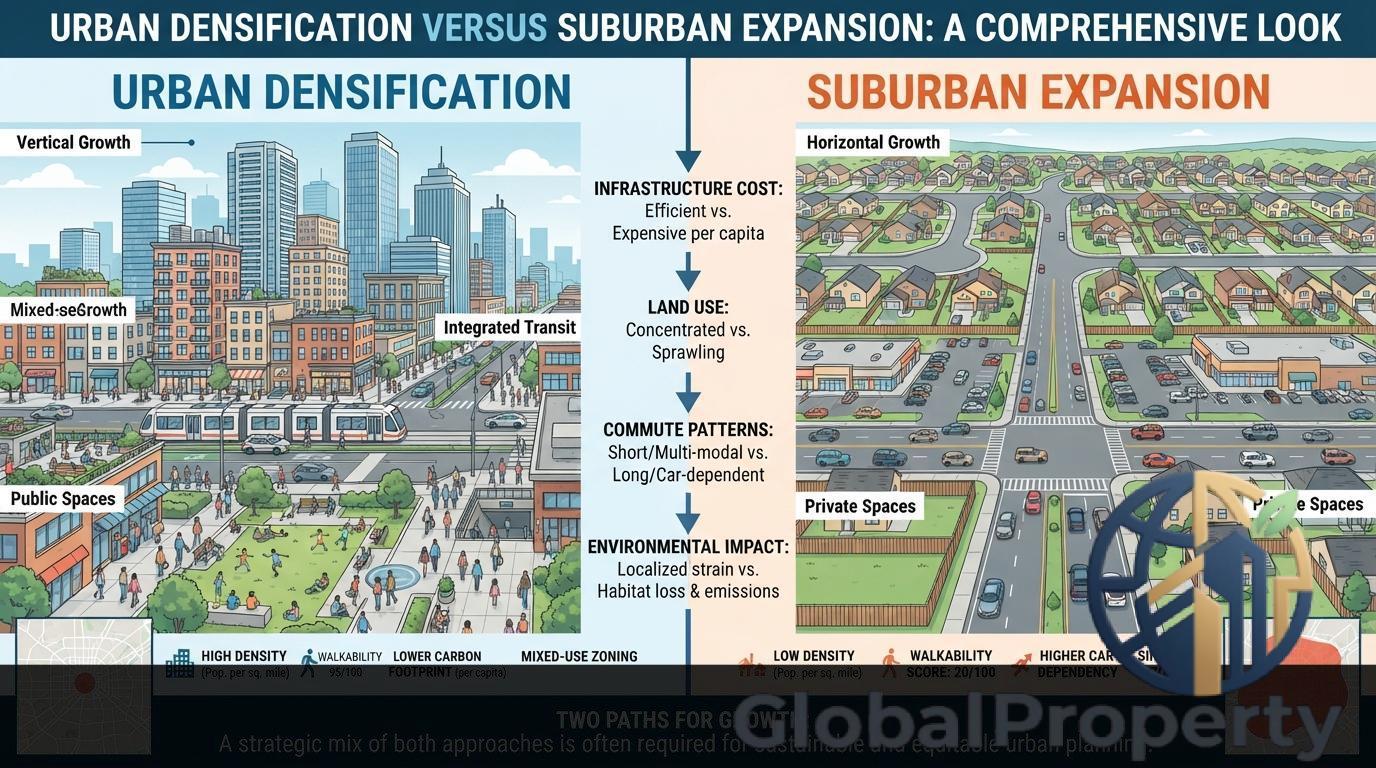
Are you torn between the allure of urban vibrancy and the tranquil appeal of suburban living? The ongoing debate between urban densification and suburban expansion has captured the attention of city planners, policymakers, and residents alike. In our ever-evolving urban landscape, the choices we make about how our cities grow have profound implications for our quality of life, environment, and future sustainability.
Picture this: you’re stuck in traffic, surrounded by endless rows of cookie-cutter houses, strip malls, and sprawling parking lots. The once-charming suburbs now feel suffocating, devoid of character, and disconnected from essential services and amenities. Meanwhile, in the city, skyrocketing housing prices, overcrowded streets, and lack of green spaces add to the daily stressors. The consequences of unchecked suburban sprawl and dense urban development are becoming increasingly evident, leading to a sense of disconnection, environmental degradation, and social inequalities.
But fear not, for there is a middle ground that offers a solution to this urban dilemma. By striking a balance between urban densification and suburban expansion, we can create thriving communities that blend the best of both worlds. Through thoughtful planning, sustainable design, and community engagement, we can shape our cities and suburbs into dynamic, livable spaces that promote equity, connectivity, and well-being. Join us on a journey as we unravel the complexities of this debate and discover the path towards a more harmonious urban future.
Urban Densification: Definition and Strategies
Urban densification refers to the process of increasing the population and building density in existing urban areas. This approach focuses on maximizing land use efficiency, reducing sprawl, and promoting sustainable development. Strategies for urban densification include infill development, mixed-use zoning, transit-oriented design, and adaptive reuse of existing structures. By intensifying land use in urban areas, cities can enhance vibrancy, promote walkability, and reduce the environmental impact of urban growth.
Challenges of Suburban Expansion
Suburban expansion poses various challenges to urban planning and sustainability. As suburbs grow outward, they often lead to increased car dependency, longer commute times, and greater strain on infrastructure and services. This pattern of development can result in urban sprawl, loss of agricultural land, and environmental degradation. Addressing the challenges of suburban expansion requires thoughtful land use planning, investment in public transportation, and the promotion of compact, mixed-use development to create more sustainable suburban communities.
Suburban Expansion: Causes and Impacts
Suburban expansion refers to the outward growth of cities into surrounding areas, resulting in the development of new residential and commercial spaces. This phenomenon is primarily driven by factors such as population growth, improved transportation infrastructure, and the desire for larger living spaces. As more people move to the suburbs in search of affordable housing and better quality of life, the demand for new infrastructure and services increases.
The impacts of suburban expansion are multifaceted. While it can alleviate urban congestion and provide residents with more green spaces, it also leads to urban sprawl, increased traffic congestion, and environmental degradation. Additionally, the expansion of suburbs often results in the loss of agricultural land and natural habitats, posing challenges for sustainable development and biodiversity conservation.
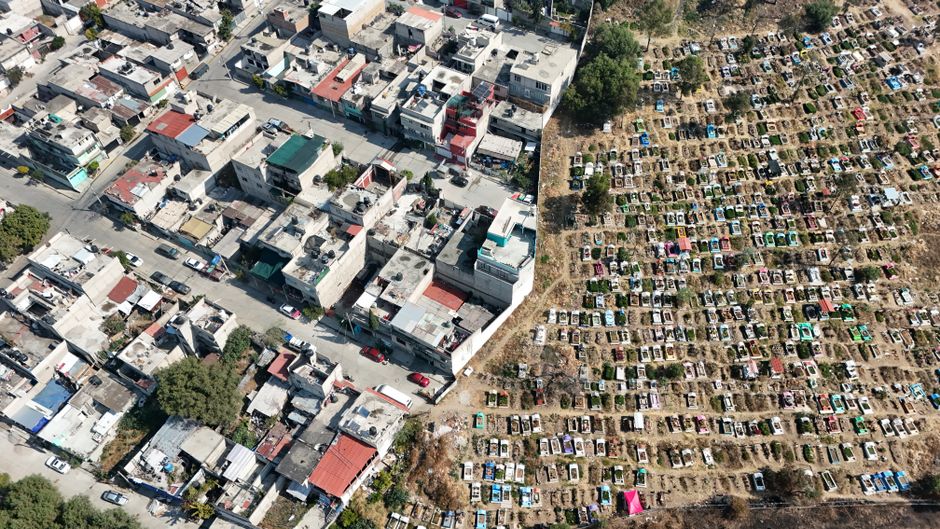
Comparison of Urban Densification and Suburban Expansion
Urban densification and suburban expansion are two contrasting approaches to managing urban growth. Urban densification involves increasing the population and infrastructure within existing urban areas, promoting vertical construction, mixed-use development, and efficient land use. On the other hand, suburban expansion refers to the outward growth of urban areas into surrounding suburban or rural areas, often resulting in low-density development, reliance on automobiles, and urban sprawl.
When comparing the two, urban densification is often seen as a more sustainable and efficient way to accommodate population growth, as it can help reduce commuting distances, preserve green spaces, and promote a sense of community. Suburban expansion, while offering more space and privacy for residents, can lead to environmental degradation, increased traffic congestion, and higher infrastructure costs. Understanding the benefits and drawbacks of each approach is crucial for urban planners and policymakers in making informed decisions for the future development of cities.
Case Studies: Urban Densification Success Stories
Urban densification has proven to be a successful urban planning strategy in various cities around the world. One notable case study is the city of Copenhagen, Denmark. Through a comprehensive approach that includes mixed-use development, efficient public transportation, and green spaces, Copenhagen has transformed itself into a sustainable and livable city. The focus on densification has reduced urban sprawl, minimized car dependency, and enhanced the overall quality of life for residents.
Another inspiring example is Tokyo, Japan, known for its high population density and efficient land use. Tokyo’s approach to urban densification involves compact living spaces, extensive public transportation networks, and a vibrant street life. This has allowed Tokyo to thrive as a global metropolis while maintaining a strong sense of community and cultural identity. These success stories highlight the positive outcomes that can be achieved through thoughtful urban densification strategies.
Challenges of Suburban Expansion
Suburban expansion poses various challenges that affect both the environment and society. One significant issue is the strain it puts on infrastructure, with increased demand for roads, utilities, and public services. This can lead to congestion, pollution, and higher costs for maintaining and expanding infrastructure. Additionally, suburban sprawl often results in the loss of natural habitats and agricultural land, impacting biodiversity and food security. Socially, suburban expansion can contribute to social isolation and reliance on cars, leading to sedentary lifestyles and health issues. Addressing these challenges requires thoughtful urban planning, sustainable development practices, and community engagement to ensure the long-term well-being of residents and the environment.
Conclusion
Urban densification and suburban expansion are two contrasting approaches to urban development. While urban densification focuses on intensifying land use within existing urban areas, suburban expansion involves the outward growth of cities into surrounding areas. Both strategies have their own set of advantages and challenges. It is crucial for urban planners and policymakers to carefully consider the long-term implications of each approach on factors such as environmental sustainability, social equity, and economic development.
As cities continue to grow and evolve, finding a balance between urban densification and suburban expansion will be key to creating livable, sustainable, and resilient urban environments. By learning from successful case studies and addressing the challenges associated with both strategies, cities can work towards creating more inclusive and vibrant urban spaces for current and future generations.