
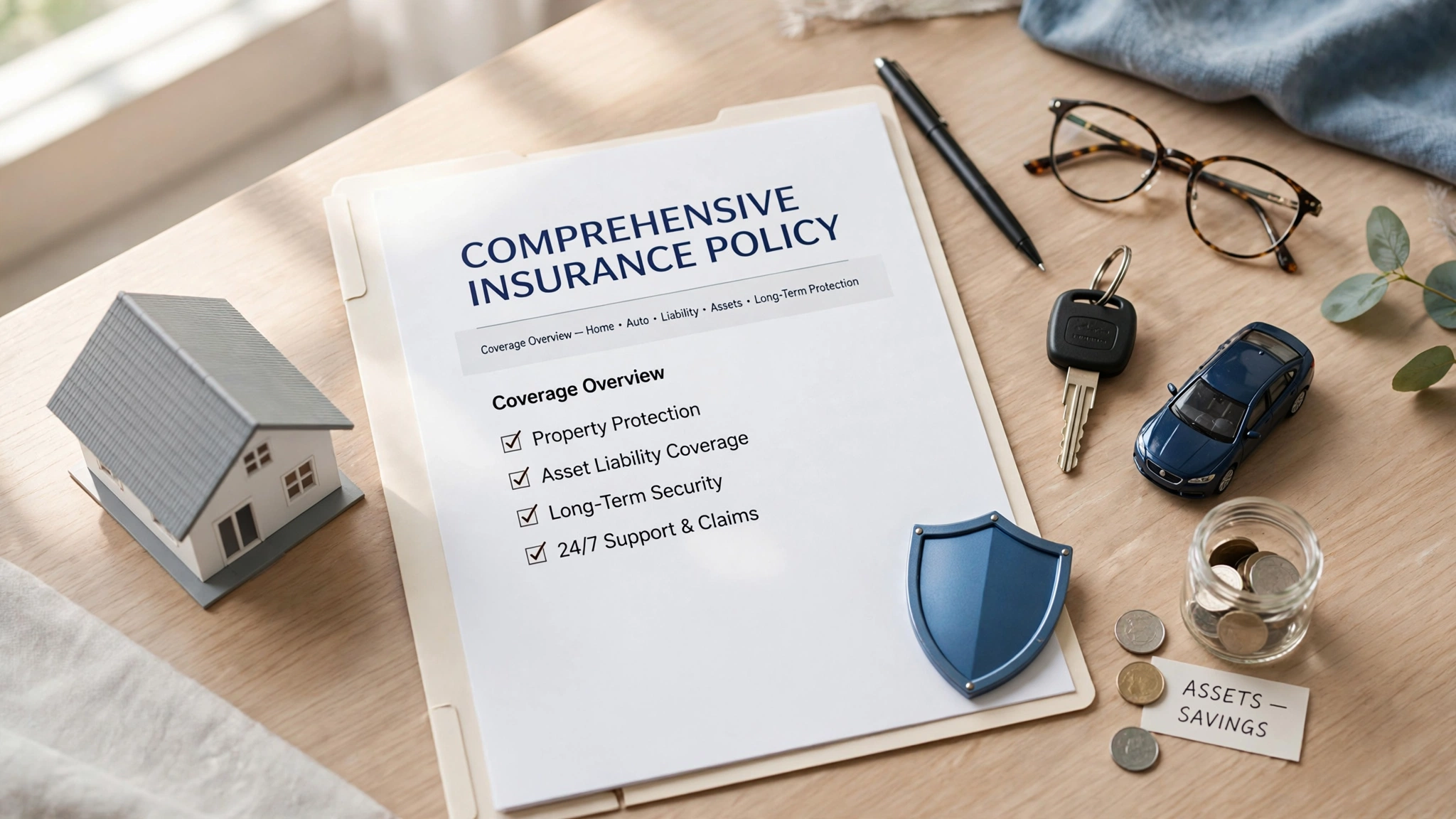
Are you truly safeguarding your hard-earned assets? It’s a question that often lingers in the back of our minds as we navigate the complexities of financial planning. The core problem many individuals face is underestimating the importance of comprehensive insurance in ensuring long-term asset protection. Without adequate coverage, your assets are left vulnerable to a myriad of risks that could potentially jeopardize your financial stability and future security.
Imagine the stress and anxiety of facing a significant loss without the necessary protection in place. From unexpected natural disasters to unforeseen liabilities, the consequences of not having comprehensive insurance can be devastating. Without proper coverage, you risk depleting your savings, assets, and potentially even your future earnings in the event of a crisis. The financial implications of such a situation can set you back years, if not derail your long-term financial goals entirely.
The solution to this pressing issue lies in understanding the pivotal role comprehensive insurance plays in shielding your assets from potential threats. By proactively securing robust insurance coverage tailored to your unique needs, you can effectively mitigate risks and safeguard your financial well-being. Investing in comprehensive insurance not only provides peace of mind but also serves as a proactive measure to protect your assets for the long haul. Don’t wait until it’s too late – take charge of your financial future now and ensure lasting asset protection with the right insurance coverage.
Key Benefits of Comprehensive Insurance Policies
Comprehensive insurance policies offer a wide range of benefits that provide peace of mind and financial protection. One key benefit is coverage for damages not caused by collisions, such as theft, vandalism, natural disasters, and animal collisions. This type of coverage ensures that your vehicle is protected in various scenarios, reducing the financial burden of repair or replacement.
Another important benefit of comprehensive insurance is the ability to customize your coverage based on your needs. You can add optional coverages like windshield repair, roadside assistance, or rental car reimbursement to enhance your protection. Comprehensive insurance policies are designed to offer a comprehensive safety net for unexpected events, giving you the confidence to drive without worrying about potential risks.
Factors to Consider When Choosing Comprehensive Insurance
When selecting a comprehensive insurance policy, it is essential to carefully evaluate the coverage provided. Consider the specific needs of your assets and the level of protection required. Look into the types of risks that the policy covers, such as natural disasters, theft, vandalism, and accidents. Additionally, assess the deductible amount and premium costs associated with the policy. It is crucial to strike a balance between coverage and affordability to ensure that you are adequately protected without overpaying for unnecessary features.
Long-Term Asset Protection Strategies through Comprehensive Insurance
Comprehensive insurance offers a robust long-term asset protection strategy by providing extensive coverage against a wide range of risks. By investing in comprehensive insurance, you can safeguard your assets from unexpected events that could result in significant financial losses. This type of insurance not only protects your assets in the short term but also offers peace of mind knowing that you have a safety net in place for the future. By carefully selecting a comprehensive insurance policy tailored to your needs, you can create a solid foundation for long-term asset protection and financial stability.
Long-Term Asset Protection Strategies through Comprehensive Insurance
Comprehensive insurance serves as a crucial component of a robust long-term asset protection strategy. By opting for comprehensive coverage, individuals can safeguard their valuable assets such as homes, vehicles, and personal belongings against a wide range of risks including theft, vandalism, natural disasters, and accidents. By ensuring that all potential risks are adequately covered, comprehensive insurance provides peace of mind and financial security for the future.
Common Misconceptions about Comprehensive Insurance
One common misconception about comprehensive insurance is that it is unnecessary if a vehicle is older or less valuable. However, comprehensive coverage extends beyond just vehicle replacement costs and can protect against various unforeseen events like theft, fire, or vandalism. Another misconception is that comprehensive insurance is prohibitively expensive, but in reality, the cost of comprehensive coverage can be tailored to fit individual needs and budget constraints, making it a valuable investment in long-term asset protection.
Common Misconceptions about Comprehensive Insurance
One common misconception about comprehensive insurance is that it only covers accidents involving other vehicles. In reality, comprehensive insurance provides coverage for a wide range of non-collision incidents, such as theft, vandalism, natural disasters, and animal collisions. Another misconception is that comprehensive insurance is expensive. While comprehensive coverage may cost more than basic liability insurance, the protection it offers for your vehicle and assets can far outweigh the added cost.
Case Studies: How Comprehensive Insurance Saved Assets
Case studies showcasing how comprehensive insurance saved assets can be powerful testimonials for the importance of this type of coverage. For example, a car owner whose vehicle was stolen and later recovered in damaged condition could share how comprehensive insurance covered the repair costs. Another case study could highlight a homeowner whose property was damaged in a natural disaster and how comprehensive insurance helped with the rebuilding process. These real-life examples demonstrate the tangible benefits of having comprehensive insurance in place.
Case Studies: How Comprehensive Insurance Saved Assets
Real-life case studies demonstrate the tangible benefits of comprehensive insurance in safeguarding assets from unforeseen risks. In one instance, a homeowner faced extensive damage to their property due to a natural disaster. Thanks to their comprehensive insurance coverage, they were able to recover the costs of repairs and replacement, ensuring minimal financial impact. Another case involved a business that experienced a significant data breach, resulting in potential liabilities and loss of customer trust. With comprehensive insurance tailored to cover cyber risks, the company was able to mitigate the damages and restore operations swiftly.
Comparing Comprehensive Insurance with Other Coverage Options
When evaluating insurance options, understanding the differences between comprehensive insurance and other types of coverage is crucial. Unlike basic policies that may only provide limited protection, comprehensive insurance offers a wide range of coverage for various risks, including theft, natural disasters, and liability. While specialized insurance may focus on specific areas such as health or property, comprehensive insurance provides a more holistic approach to asset protection. It is essential to weigh the cost-effectiveness and scope of coverage when comparing comprehensive insurance with other options to ensure adequate protection tailored to individual needs.
Comparing Comprehensive Insurance with Other Coverage Options
When it comes to choosing insurance coverage, it’s essential to understand the differences between comprehensive insurance and other options available in the market. Comprehensive insurance offers broad protection against a wide range of risks, including theft, vandalism, natural disasters, and more. It provides peace of mind knowing that your assets are safeguarded from various unexpected events.
On the other hand, other coverage options such as liability insurance or collision insurance may offer more specific protection for certain types of risks. While liability insurance focuses on covering damages to others in case of an accident, collision insurance typically covers damages to your vehicle in a crash. By comparing the coverage and limitations of different insurance options, you can make an informed decision based on your specific needs and risk tolerance.