
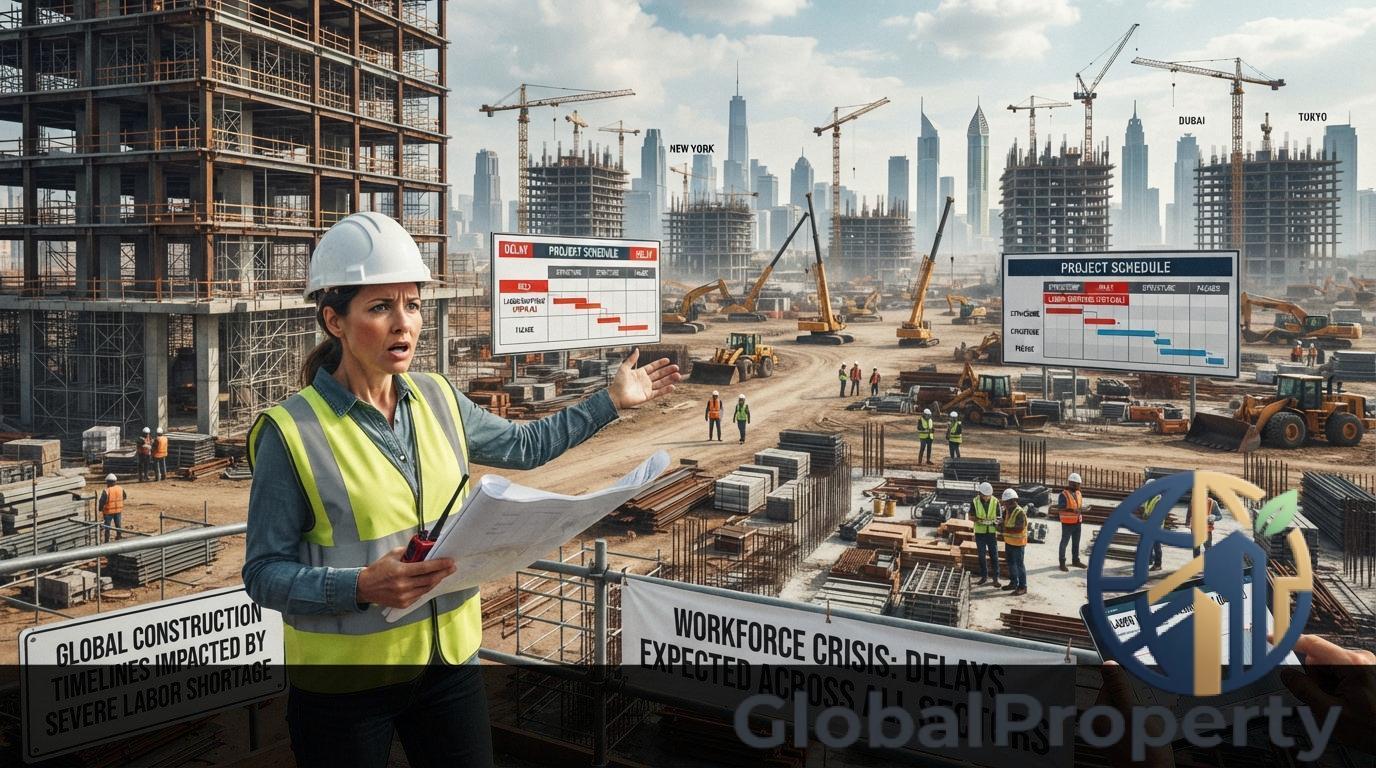
Are you feeling the crunch of delayed construction projects, looming deadlines, and a shortage of skilled labor in the global construction industry? If so, you’re not alone. The influence of labor shortages on construction timelines is a pressing issue that is causing frustration and affecting project completion worldwide. Imagine carefully planned construction schedules being thrown off track, budgets skyrocketing due to overtime costs, and clients becoming increasingly impatient. These are just a few of the challenges faced by construction professionals in today’s labor-constrained environment.
As the labor shortage persists, the consequences are becoming more severe. Project delays not only impact the bottom line but also tarnish the reputation of construction companies. Clients are left dissatisfied, relationships strained, and opportunities for future projects put at risk. The inability to meet deadlines leads to a domino effect of problems, from financial losses to legal disputes. The global construction industry is at a critical juncture, with the need for innovative solutions more urgent than ever before.
But fear not, there is light at the end of the tunnel. In our upcoming blog post, we will delve into effective strategies and solutions to mitigate the impact of labor shortages on construction timelines. From leveraging technology to upskilling the existing workforce, there are practical steps that can be taken to navigate through these challenging times. Join us as we explore how industry leaders are overcoming labor shortages and reshaping the future of construction. Get ready to revolutionize your approach to project management and stay ahead in a competitive market.
2. Labor Shortages in the Construction Industry
Labor shortages in the construction industry have become a significant challenge in recent years. The demand for skilled workers often exceeds the supply, leading to delays in project completion and increased costs. Factors contributing to this shortage include an aging workforce, lack of interest among younger generations in pursuing careers in construction, and the impact of economic fluctuations on the industry.
Construction companies are finding it increasingly difficult to attract and retain talented workers, leading to fierce competition for skilled labor. As projects become more complex and timelines tighter, the need for a skilled workforce becomes even more critical. Addressing labor shortages in the construction industry requires innovative solutions and proactive strategies to ensure projects are completed efficiently and within budget.
3. Impact on Project Costs
The impact of labor shortages on project costs in the construction industry is significant. With fewer skilled workers available, construction companies often have to pay higher wages to attract and retain talent. This increase in labor costs directly affects project budgets, leading to higher overall project costs.
Furthermore, labor shortages can result in project delays, as construction companies struggle to find enough workers to meet project deadlines. Delays in project completion can lead to additional costs, such as penalties for late delivery or increased overhead expenses. To mitigate the impact of labor shortages on project costs, construction companies must implement efficient workforce management strategies and explore alternative solutions to address the shortage of skilled labor.
Impact on Project Costs
Labor shortages in the construction industry have a significant impact on project costs. With fewer skilled workers available, construction companies often have to pay higher wages to attract and retain talent. This increase in labor costs can quickly escalate the overall project budget, leading to delays and potential cost overruns. Additionally, the lack of skilled workers may result in decreased productivity and efficiency, further contributing to higher project costs.
Strategies to Mitigate the Effects of Labor Shortages
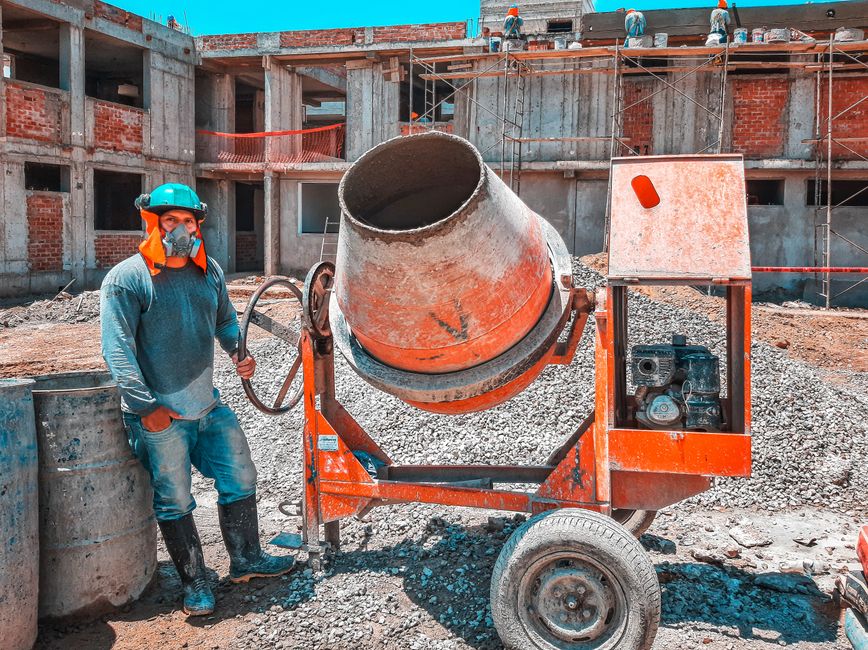
To mitigate the effects of labor shortages in the construction industry, companies can implement several strategies. One approach is to invest in training programs to upskill existing employees and attract new talent. By developing a pipeline of skilled workers, companies can reduce their reliance on external labor sources and ensure a steady supply of qualified personnel. Another strategy is to embrace technology and automation to streamline processes and increase efficiency, thereby offsetting the impact of labor shortages on project timelines and costs.
Strategies to Mitigate the Effects of Labor Shortages
Implementing Technology Solutions: Embracing technology such as project management software, drones for site surveying, and automation in construction processes can help streamline operations and reduce the reliance on manual labor. By investing in these tools, companies can increase efficiency and productivity even with a reduced workforce.
Upskilling and Training Programs: Developing in-house training programs to upskill existing workers or offering apprenticeships can help address the skills gap caused by labor shortages. By investing in the professional development of employees, companies can ensure a more skilled workforce that is better equipped to handle the demands of construction projects.
Case Studies of Successful Project Management Despite Labor Shortages
Case Study 1: XYZ Construction Company
XYZ Construction Company successfully navigated labor shortages by implementing a cross-training program that allowed workers to develop skills in multiple areas. By encouraging versatility among employees, they were able to adapt to changing project needs and maintain productivity levels despite the shortage of specialized workers.
Case Study 2: ABC Builders
ABC Builders leveraged prefabrication and modular construction techniques to offset the impact of labor shortages. By constructing components off-site and assembling them on-site, they were able to reduce the labor requirements for projects and accelerate construction timelines, ultimately delivering projects on time and within budget.
Strategies to Mitigate the Effects of Labor Shortages
Implementing technology solutions: One effective strategy to mitigate the effects of labor shortages in the construction industry is by implementing technology solutions. Utilizing construction management software, drones for site surveys, and virtual reality for project planning can help streamline processes and reduce the reliance on manual labor.
Investing in training programs: Another crucial strategy is investing in training programs to upskill existing workers and attract new talent to the industry. By providing opportunities for continuous learning and development, construction companies can ensure a skilled workforce that is better equipped to handle the demands of projects despite labor shortages.
Case Studies of Successful Project Management Despite Labor Shortages
Case Study 1: XYZ Construction Company
XYZ Construction Company faced labor shortages during a major infrastructure project but successfully managed to complete the project on time and within budget by implementing innovative scheduling techniques and cross-training their existing workforce. By effectively reallocating resources and optimizing workflow, they were able to overcome the challenges posed by the shortage of skilled labor.
Case Study 2: ABC Builders
ABC Builders encountered labor shortages on a high-rise residential project but adopted a proactive approach by partnering with trade schools and offering apprenticeship programs. By nurturing young talent and providing hands-on training opportunities, they not only completed the project successfully but also created a pipeline of skilled workers for future projects.
Future Trends in the Construction Industry
Technological Advancements: The construction industry is rapidly evolving with the integration of advanced technologies such as Building Information Modeling (BIM), drones, and augmented reality. These innovations are streamlining processes, enhancing efficiency, and improving safety on construction sites. Companies that embrace these technologies will have a competitive edge in the future.
Sustainability and Green Building: With a growing emphasis on environmental conservation, sustainable construction practices are becoming increasingly important. Green building certifications, energy-efficient designs, and the use of eco-friendly materials are becoming standard requirements in the industry. Contractors who prioritize sustainability will not only meet regulatory standards but also appeal to environmentally conscious clients.
Conclusion
In conclusion, the construction industry is facing significant challenges due to labor shortages, which are impacting project costs and timelines. However, by implementing strategies to mitigate these effects, such as investing in technology and training programs, companies can navigate these obstacles successfully. Case studies of successful project management despite labor shortages highlight the importance of proactive planning and adaptability in the face of industry changes. Looking ahead, future trends in the construction industry indicate a shift towards technological advancements and sustainable practices, providing opportunities for growth and innovation.
Future Trends in the Construction Industry
Technological Advancements: The construction industry is experiencing a rapid evolution driven by technological innovations such as Building Information Modeling (BIM), drones for site surveying, and advanced project management software. These technologies are streamlining construction processes, enhancing productivity, and improving project outcomes. Embracing these advancements will be crucial for staying competitive in the future.
Sustainability and Green Building:
Environmental considerations: The shift towards sustainable construction practices and green building designs is gaining momentum. With increasing awareness of climate change and environmental impact, construction companies are under pressure to adopt eco-friendly solutions. From energy-efficient buildings to use of recycled materials, sustainability will be a key trend shaping the future of the industry.