

Are you feeling the weight of the housing affordability crisis pressing down on your shoulders? As global metropolises continue to grapple with soaring real estate prices, many individuals and families find themselves trapped in a relentless cycle of financial strain and uncertainty. The dream of owning a home, once a cornerstone of stability and security, now seems like an unattainable fantasy for a growing number of people around the world.
Imagine the daily stress of living paycheck to paycheck, knowing that a significant portion of your income is being swallowed up by exorbitant rent or mortgage payments. The fear of being one unexpected expense away from financial disaster looms large, casting a shadow over even the brightest moments of your life. The constant struggle to make ends meet not only impacts your financial well-being but also takes a toll on your mental and emotional health, creating a sense of helplessness and despair.
But what if there was a way to break free from this cycle of housing unaffordability and reclaim your financial independence? In our upcoming blog post, we will delve deep into the root causes of the housing affordability crisis in global metropolises and explore innovative solutions to help you secure a brighter future. Get ready to discover actionable insights and practical strategies that can empower you to navigate the turbulent waters of the real estate market with confidence. Join us on this journey towards financial freedom and take the first step towards reclaiming your dream of affordable and sustainable housing.
Definition of Housing Affordability Crisis
Housing affordability crisis refers to the situation where a significant portion of the population struggles to access decent and affordable housing. This crisis is characterized by a mismatch between household income levels and the cost of housing in a particular region or city. In essence, it means that a growing number of individuals and families are unable to afford suitable housing options, leading to overcrowding, homelessness, and other social issues.
Factors Contributing to Housing Affordability Crisis
Several factors contribute to the housing affordability crisis, including rapid urbanization, limited housing supply, stagnant wages, and speculative real estate practices. Urban areas experiencing high population growth often face increased demand for housing, driving up prices. Additionally, restrictive zoning laws, lack of affordable housing initiatives, and inadequate infrastructure further exacerbate the problem. As a result, many residents find themselves financially burdened by housing costs, impacting their overall quality of life.
Definition of Housing Affordability Crisis
Housing affordability crisis refers to the situation where a significant portion of the population struggles to afford suitable housing options within their means. This crisis is characterized by rising housing costs outpacing income growth, leading to a shortage of affordable housing for low and middle-income individuals and families. Factors such as increasing demand, limited housing supply, and inadequate urban planning contribute to exacerbating this issue.
Factors Contributing to Housing Affordability Crisis
Several factors contribute to the housing affordability crisis, including rapid urbanization, population growth, inadequate housing supply, rising construction costs, and speculative real estate practices. Additionally, stagnant wages, income inequality, and limited access to affordable financing options further compound the problem. Government policies, zoning regulations, and land use restrictions also play a significant role in driving up housing prices and limiting affordable housing options for vulnerable populations.
Case Studies of Global Metropolises
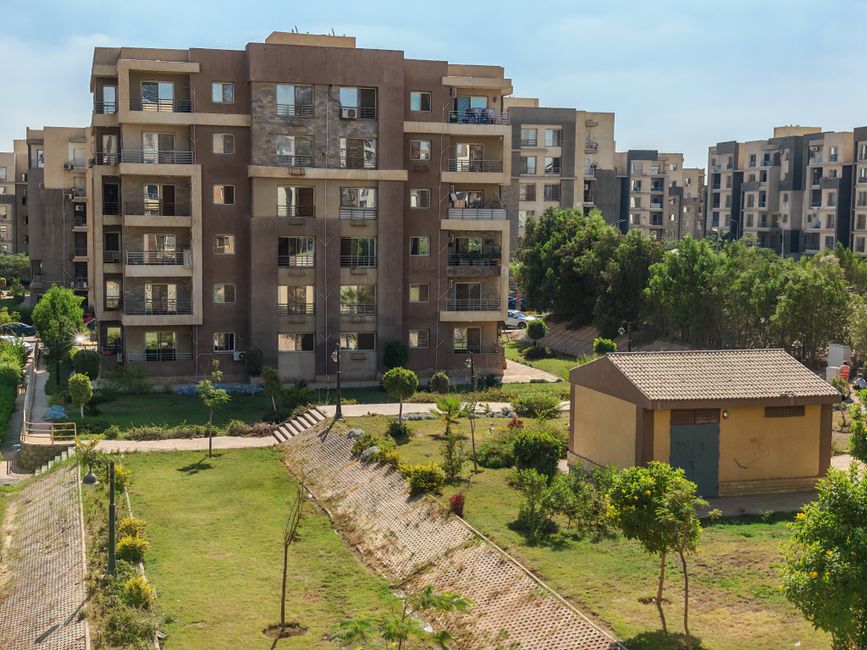
Examining case studies of global metropolises provides valuable insights into the complexities of the housing affordability crisis. Cities like New York, London, Tokyo, and Hong Kong present varying challenges in terms of housing affordability due to factors such as rapid urbanization, limited land availability, and high demand for housing. These cities have experienced significant spikes in property prices, leading to a widening gap between income levels and housing costs.
For example, in Hong Kong, the soaring property prices have resulted in micro-apartments becoming a norm due to the limited living space available. In contrast, London faces issues with gentrification and lack of affordable housing for low-income residents. By analyzing these case studies, policymakers and urban planners can gain valuable insights into the different approaches taken by these global metropolises to address the housing affordability crisis.
Government Policies and Interventions
Government policies and interventions play a crucial role in addressing the housing affordability crisis. Various countries have implemented strategies such as rent control laws, affordable housing quotas, and subsidies to make housing more accessible to low and middle-income individuals. Additionally, governments have also focused on increasing funding for social housing projects and providing incentives for developers to build affordable units. By regulating the housing market and actively participating in creating affordable housing options, governments can help alleviate the burden on residents struggling to find suitable and affordable housing.
Solutions and Recommendations
Addressing the housing affordability crisis requires a comprehensive approach that combines various solutions and recommendations. One key strategy is to promote mixed-income developments that provide a range of housing options for residents of different socio-economic backgrounds. Encouraging innovative housing designs and construction methods can also help reduce building costs and make housing more affordable. Furthermore, improving access to financing options and increasing public-private partnerships can stimulate the construction of affordable housing units. By implementing a multi-faceted approach, policymakers can work towards creating sustainable solutions to the housing affordability crisis.
6. Solutions and Recommendations
Implementing Affordable Housing Programs: One of the key solutions to address the housing affordability crisis is the implementation of affordable housing programs. These programs can include subsidies for low-income families, incentives for developers to build affordable housing units, and rent control measures to prevent drastic price increases.
Promoting Mixed-Income Housing Developments: Another effective strategy is to promote mixed-income housing developments, where housing units for different income brackets are integrated into the same neighborhood. This helps create diverse and inclusive communities while providing affordable housing options for residents at various income levels.
Conclusion
The housing affordability crisis is a complex issue that requires immediate attention from policymakers, urban planners, and communities worldwide. Without significant intervention, the crisis will continue to worsen, leading to social inequality, displacement, and economic instability. It is crucial for all stakeholders to work together to implement sustainable solutions that address the root causes of the crisis and ensure access to affordable housing for all individuals.
Addressing the housing affordability crisis requires a multi-faceted approach that includes implementing innovative policies, investing in affordable housing developments, and promoting inclusive urban planning strategies. By prioritizing affordable housing as a fundamental human right, societies can create more equitable and sustainable communities for current and future generations.